In a controversial move, US President Donald Trump recently invoked the memory of the 1941 Japanese attack on Pearl Harbor to justify potential military actions against Iran. This reference has sparked significant unease and discomfort among the Japanese public and political circles.
The attack on Pearl Harbor by Japan was a pivotal moment in World War II, marking the entry of the United States into the conflict. For many Japanese, this event remains a painful memory, symbolizing a dark chapter in their history.
President Trump’s comparison of Iran to Japan’s World War II aggression has been seen as inappropriate and insensitive. The mention of such a historically significant and traumatic event in justifying modern military decisions has drawn criticism and concern not only within Japan but from international observers as well.
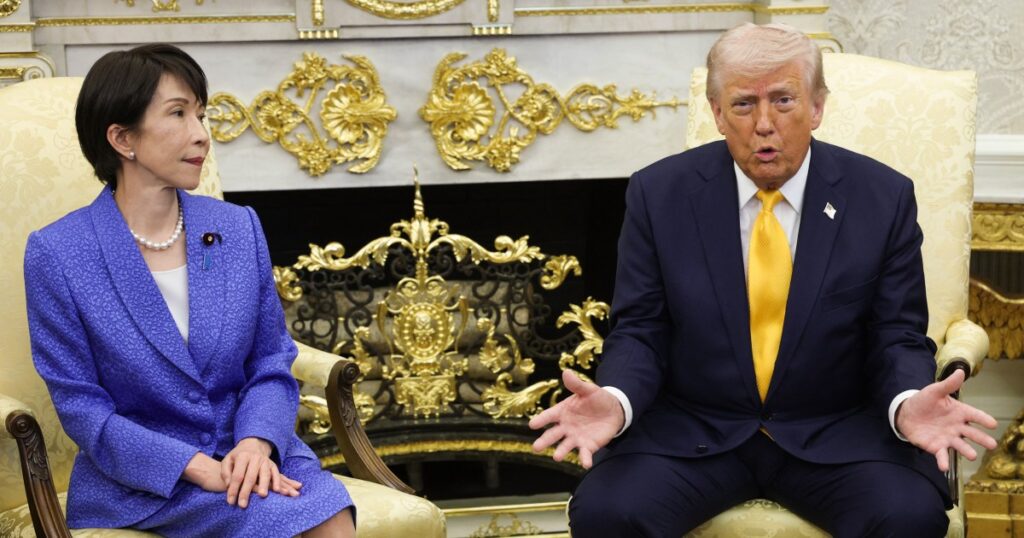
Prime Minister Takaichi’s response or, notably, lack thereof, has also drawn mixed reactions from Japanese citizens and politicians. Silence on such a provocative statement by a major ally leaves many questioning Japan’s stance and the strength of its diplomatic ties with the United States.
Some political analysts suggest that the Prime Minister’s silence might be a strategic choice aimed at maintaining diplomatic decorum and avoiding escalation in US-Japan relations. Others feel it reflects a reluctance or inability to confront sensitive historical issues in the context of contemporary geopolitical challenges.
The unease in Japan is compounded by concerns over the broader implications of the US-Iran tensions, which could destabilize regional security and strain international alliances.
Historically, Japan and the United States have been close allies, with deep economic and security ties. The recent remarks by President Trump, however, have put a spotlight on unresolved historical grievances and the sensitivity required when referencing tragic events such as Pearl Harbor.
Public opinion polls in Japan indicate a growing discomfort with the framing of contemporary conflicts through the lens of World War II, especially in a way that might glorify militarism or aggression.
Japanese media outlets have extensively covered the issue, featuring expert analyses and public debates on the appropriateness of President Trump’s reference. The coverage highlights fears that such rhetoric may harm diplomatic relations and could incite nationalism or historical revisionism.
Analysts emphasize the importance of careful and respectful dialogue between nations, particularly those with complex shared histories. They caution against the use of emotionally charged historical events as justification for contemporary military policy.
As the situation develops, the international community watches closely, understanding that references to historical conflicts like Pearl Harbor carry weight far beyond the immediate political message.
In summary, President Trump’s citing of the Pearl Harbor attack to defend possible military action against Iran has caused discomfort and debate in Japan. Prime Minister Takaichi’s silent stance has led to varied interpretations, reflecting the delicate balance Japan must maintain in navigating its historical memories and current international alliances. This incident underscores the need for sensitivity and diplomatic prudence when addressing historical events in the context of modern geopolitics.