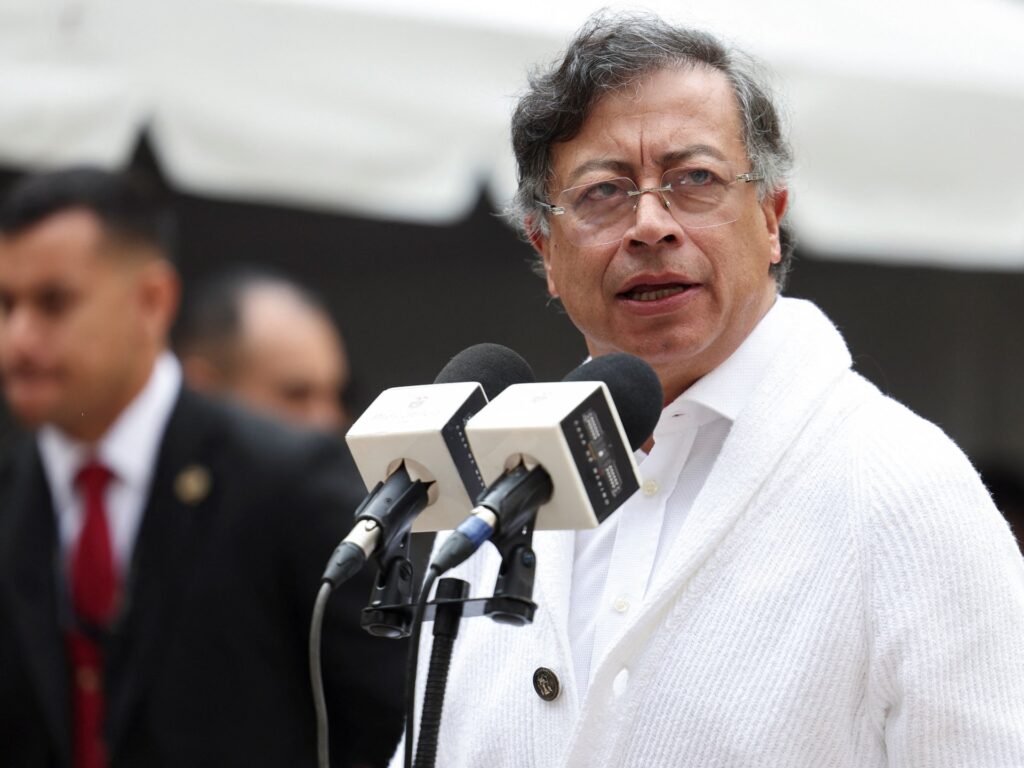
Colombia’s President Gustavo Petro is currently under investigation in the United States amid allegations of potential links to drug trafficking. This development comes after reports surfaced indicating that two US prosecutors have initiated probes into the matter. The left-wing leader has categorically denied any association with drug traffickers, dismissing the claims as unfounded.
Gustavo Petro, who has been a prominent figure in Colombian politics, elected as president on a platform advocating social reforms and anti-corruption measures, now faces serious scrutiny from US authorities. The exact details and scope of the investigations have not been fully disclosed, but the probes are said to focus on possible connections between Petro and drug trafficking networks.
This investigation stokes further political tension in Colombia, a country long grappling with the influence of narcotics trafficking both domestically and internationally. With drug-related violence and corruption deeply embedded in parts of society and government, any such allegations can have far-reaching implications for the leadership and its policies.
Petro has denied the accusations vehemently, emphasizing his administration’s commitment to eradicating drug cartels and improving Colombia’s international standing. Supporters view these allegations as politically motivated attempts to undermine his government, especially considering Petro’s progressive stance and efforts to challenge entrenched power structures.
The US prosecutors involved in the investigation are gathering evidence and interviewing witnesses to determine the validity and extent of these claims. The outcome of the investigation remains uncertain, but it could potentially affect diplomatic relations between Colombia and the United States depending on its findings.
The probes highlight the complex interplay between politics and narcotics in the Americas, underscoring the ongoing challenges faced by leaders attempting to break free from the shadows of drug-related corruption. For now, Gustavo Petro remains president, navigating these serious accusations while continuing to push his policy agendas addressing social inequality and national security.
Observers and analysts are closely monitoring the situation, aware that the repercussions could extend beyond Colombia’s borders. The investigation may prompt broader discussions about the role of international cooperation in combatting drug trafficking and ensuring political transparency within the region.
As the investigation proceeds, both domestic constituents and the international community await further updates, hoping for clarity and justice to prevail in this contentious issue. The outcome will be pivotal for Colombia’s political future and for efforts to combat narcotics trafficking at large.