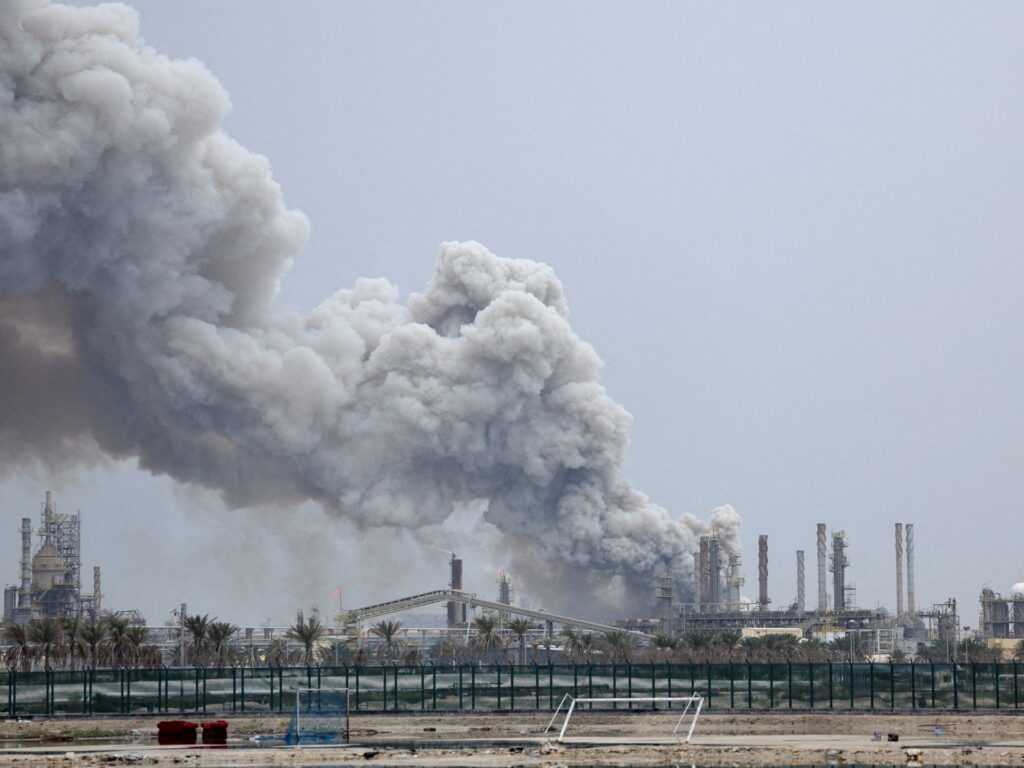
In a dramatic escalation of regional tensions, Iran has launched a series of strikes on Israeli energy infrastructure, targeting an oil refinery located in the northern city of Haifa. The attacks come as Tehran warns of intensified military responses if its critical energy sites come under assault.
The strikes have heightened fears of a broader conflict in the Middle East, with Iran signaling strong retaliation capabilities. Tehran’s government emphasized that any attempt to damage its energy infrastructure would provoke severe consequences, potentially escalating into a larger regional confrontation.
Haifa, a significant industrial hub and port city in northern Israel, houses key energy facilities critical to the country’s economy and energy security. The refinery targeted in the recent attacks is reportedly one of Israel’s major oil refineries, underscoring the strategic nature of Iran’s military actions.
Iran’s offensive marks a concerning development in the already volatile relations between Israel and Iran, with energy infrastructure increasingly becoming the focus of military hostilities. Energy sites hold symbolic and practical significance as they fuel the economies and militaries of the countries involved.
The background to the conflict includes longstanding tensions rooted in ideological differences, territorial disputes, and competition for regional influence. Iran’s recent strikes are seen as a tactical move to assert dominance and deter Israeli actions perceived as threats to Iranian interests.
International observers are closely monitoring the situation, warning that further escalation could destabilize the Middle East and impact global energy markets. The conflict risks drawing in other regional actors and global powers, making diplomatic intervention critical.
Reports from Haifa indicate that the oil refinery sustained damage, though the full extent is still being assessed. Israeli officials have condemned the attacks and vowed to respond with appropriate measures to safeguard national security.
Tehran insists its military operations are defensive and aimed at deterring aggression towards its sovereign energy infrastructure. Iranian leadership has called on international actors to recognize the legitimacy of its security concerns and urged for diplomatic avenues to resolve outstanding disputes.
Despite the warnings and strikes, efforts for dialogue and peace negotiations continue intermittently, underscoring the complexity of finding lasting solutions in the region. The international community remains divided on how to engage both Tehran and Tel Aviv effectively.
Economic implications of the conflict are significant; disruptions in oil production and transportation could lead to price volatility in global energy markets. Countries reliant on Middle Eastern oil are particularly vulnerable to supply chain interruptions.
The escalating violence also raises concerns about civilian safety and infrastructure resilience. Energy sites are critical not only for economic stability but also for humanitarian needs, including electricity, heating, and transportation.
Iran’s strategy appears focused on leveraging asymmetric warfare tactics, using missile and drone strikes to target facilities while minimizing direct ground confrontation. This approach aims to balance military effectiveness with political signaling.
Haifa’s refinery attack could trigger a series of retaliatory actions, potentially igniting a cycle of strikes and counterstrikes. Both Israel and Iran face domestic pressures and strategic calculations that influence their military decision-making.
The situation remains fluid, with rapid developments expected as regional and global stakeholders respond to the unfolding crisis. Diplomatic channels are reportedly active behind the scenes, striving to prevent further escalation.
This latest chapter in the Iran-Israel conflict underscores the persistent volatility of the Middle East and the critical importance of energy security in geopolitical conflicts. As Tehran warns of intensified strikes, the international community watches anxiously, hoping for de-escalation and a return to stability.