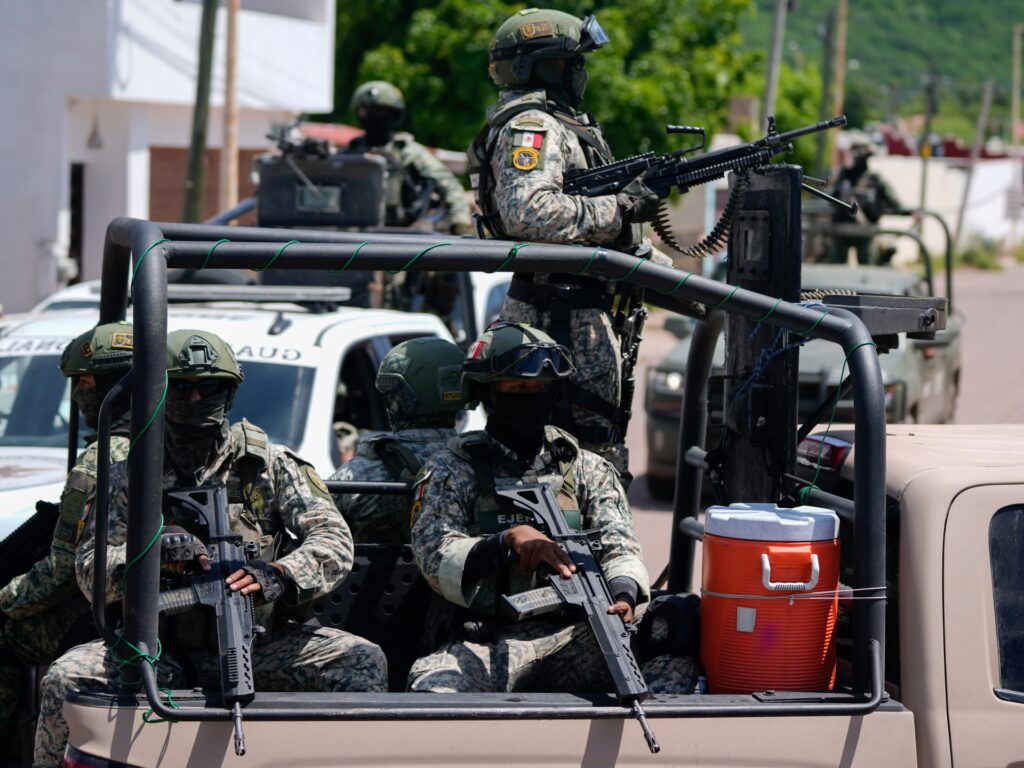
In a significant operation, the Mexican military conducted a raid targeting Omar Oswaldo Torres, the leader of the Los Mayos faction of the notorious Sinaloa cartel. The raid resulted in the death of 11 individuals and the detention of Torres himself, marking a substantial blow to the criminal network. The Sinaloa cartel, known for its extensive drug trafficking operations and violent confrontations, has been a major focus for Mexican authorities aiming to curb organized crime and improve security. Omar Oswaldo Torres, leading the Los Mayos faction, had been a high-profile target due to his influence and role within the cartel’s operations. The military’s successful operation demonstrates ongoing commitment by Mexican forces to dismantle dangerous criminal organizations. The raid took place after weeks of intelligence gathering and strategic planning, highlighting the complex nature of combating these deeply entrenched groups. Following the detention, authorities are expected to intensify investigations to disrupt further activities of the cartel. This event underscores the persistent challenges faced by Mexico in addressing cartel violence, which has affected numerous communities across the country. The loss of 11 cartel members in the raid could lead to shifts in power dynamics within the criminal underworld, potentially sparking further confrontations or reorganizations. Security experts note that targeting top leaders like Torres is critical to weakening cartel operations and reducing their capacity for violence and trafficking. The government has reiterated its commitment to maintaining pressure on organized crime through coordinated military and law enforcement efforts. Residents in regions affected by cartel violence have long awaited decisive actions such as this raid, which aim to restore law and order. Despite successes, officials acknowledge that dismantling cartels requires sustained efforts, intelligence sharing, and community support. Omar Oswaldo Torres’s detention is seen as a milestone in Mexico’s ongoing battle against drug trafficking organizations. The Sinaloa cartel remains one of the most powerful and dangerous criminal entities not only in Mexico but globally, with extensive networks across continents. The Los Mayos faction, under Torres’s leadership, was responsible for significant illicit activities, including drug smuggling, extortion, and violence. Authorities hope that removing this faction’s leader will disrupt their operations and weaken the cartel’s overall structure. The raid involved coordinated action between various branches of the Mexican military and law enforcement agencies, emphasizing the importance of inter-agency collaboration. Analysts suggest that such operations could inspire increased international cooperation to combat transnational crime. The Mexican government continues to seek support from allies to address the root causes and impacts of cartel-related violence. The community response to the raid has been mixed, with some expressing relief and others concerned about potential retaliations or power struggles among criminal groups. Authorities are preparing for possible unrest and have increased security measures in vulnerable areas. The recent operation is part of a broader strategy to dismantle organized crime by targeting leadership and financial networks. Experts believe that a combination of strong enforcement, social programs, and economic development is essential to achieving long-term security and stability. The situation remains fluid, and further developments are expected as investigations progress and the cartel adapts to these setbacks. Mexico’s ongoing efforts reflect a complex and multi-faceted approach to countering heavily armed and sophisticated criminal organizations. This raid marks a notable victory, but officials stress that continued vigilance and resources are necessary to sustain progress in the fight against cartel violence. The detention of Omar Oswaldo Torres sends a strong message to criminal factions that leadership and operational control will not be tolerated. Meanwhile, communities hope for reduced violence and an eventual return to peace and normalcy. The military’s decisive action this time around could pave the way for future operations aimed at dismantling other cartel factions. The government’s ability to seize momentum in these efforts will be crucial in shaping Mexico’s security landscape in the coming months and years. Observers remain watchful of the cartel’s next moves, as well as the government’s strategy to maintain pressure and exploit this tactical advantage. In conclusion, the raid on the Los Mayos faction leader represents both a tactical success and a strategic opportunity in Mexico’s fight against organized crime. It underscores the high stakes involved in confronting powerful criminal networks and the continued resolve by Mexican authorities to safeguard their nation.