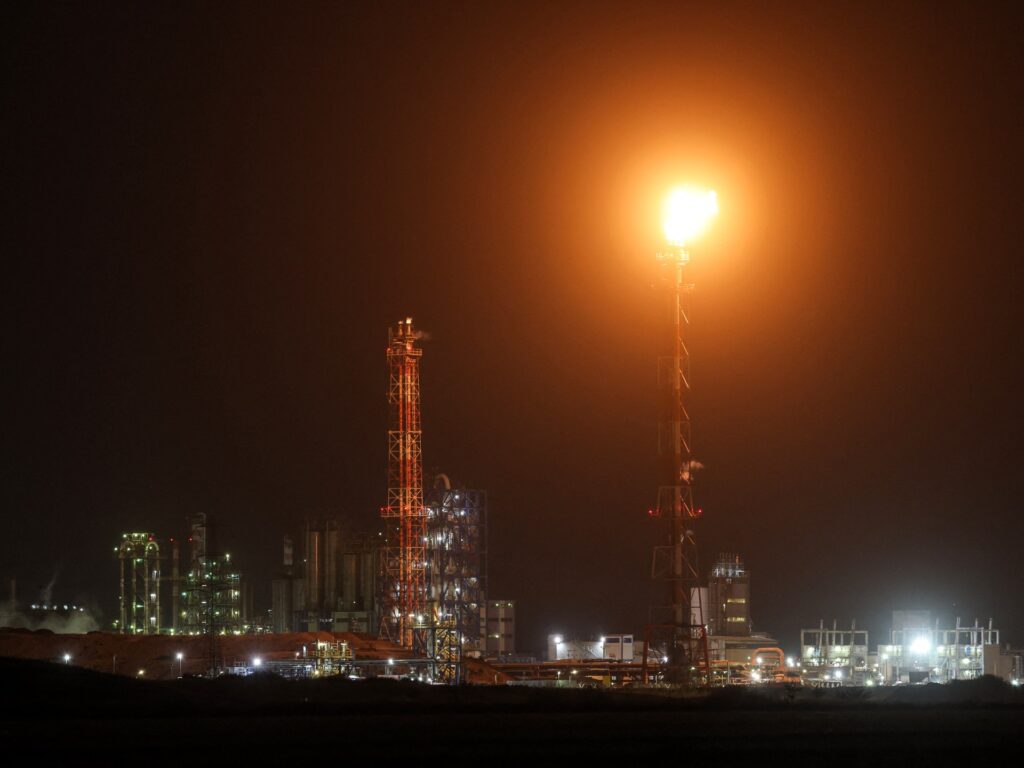
In a recent military escalation, the Haifa oil refinery in Israel was reportedly struck by a missile attack attributed to Iran. The incident has heightened tensions in the region, reflecting ongoing conflicts and hostilities between the two nations. Israeli Energy Minister Eli Cohen confirmed the attack, stating that although the refinery was targeted, there was no significant damage reported. This reassurance suggests that the refinery’s operations have not been severely impacted and that safety measures possibly mitigated potential destruction.
Haifa, a major city in northern Israel, is strategically important due to its oil refinery and port facilities, which are vital for the country’s energy infrastructure and economic stability. The attack’s timing and choice of target underscore Iran’s intent to disrupt Israeli energy resources and signal its capacity to reach key domestic installations.
Israeli officials have condemned the attack and are likely to enhance their defensive measures to prevent future incidents. In response, defense forces may increase surveillance and missile defense readiness around critical infrastructure. Meanwhile, diplomatic channels might see increased activity as international actors engage to de-escalate tensions and address the security challenges posed by such cross-border strikes.
The broader context involves a longstanding adversarial relationship between Iran and Israel, characterized by proxy conflicts, cyber warfare, and occasional direct military exchanges. Iran’s missile strike represents a significant escalation and a direct challenge to Israeli sovereignty. The international community has often expressed concern over such actions, advocating for restraint and peaceful resolution to avoid further destabilization in the Middle East.
Energy Minister Eli Cohen’s statement about the minimal impact of the missile strike may help ease domestic concerns but also serves as a call for vigilance. The incident highlights the vulnerability of critical infrastructure amid geopolitical strife and the need for robust protective measures. Israel’s strategic posture will likely involve reinforcing defense systems and increasing cooperation with allies to counter threats originating from hostile entities.
In summary, while the Haifa oil refinery sustained a missile attack from Iranian forces, Israeli authorities report no substantial damage, emphasizing ongoing resilience and readiness. This event reflects the fragile security environment in the region and underscores the importance of continued monitoring and diplomatic efforts to prevent future conflicts. The situation remains dynamic, with potential implications for regional security, energy markets, and international relations.