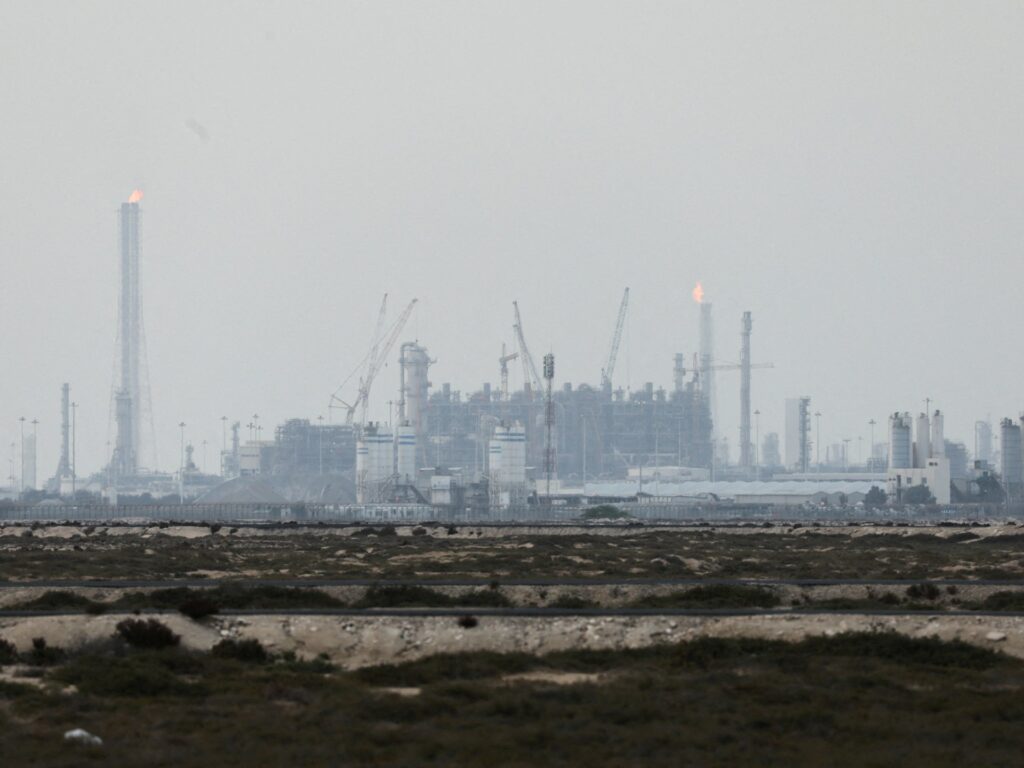
In a recent development escalating tensions in the Gulf region, Qatar has publicly accused Iran of causing significant damage to its Ras Laffan gas facility in a targeted attack. The Ras Laffan Industrial City, known as a critical hub for Qatar’s massive liquefied natural gas (LNG) industry, suffered considerable damage that has raised concerns about regional security and energy stability.
Following the attack, Qatar announced a decisive diplomatic response by declaring the Iranian embassy’s military and security attaches as persona non grata. These officials have been ordered to leave the country, signaling a sharp deterioration in diplomatic relations between the two neighbors.
The Ras Laffan facility is not only vital to Qatar’s economy but also a central supplier in the global LNG market. Damage to this infrastructure threatens supply chains and could have widespread implications on international energy prices and market stability.
Qatar’s government condemned the attack as a hostile act compromising regional peace and economic security. Officials detailed that the damage was significant, requiring extensive repairs and investigations to assess the full impact on production and safety.
This incident adds to the ongoing geopolitical tensions in the Persian Gulf, where various states with competing interests often clash. Iran’s role in the attack, as alleged by Qatar, marks a serious escalation that may prompt international concern and calls for dialogue to de-escalate the situation.
The expulsion of Iranian military and security personnel from the Iranian embassy underscores Qatar’s determination to protect its sovereignty and its critical energy infrastructure. It also sends a strong message to other countries in the region regarding Qatar’s stance on maintaining security and stability.
Diplomatic analysts suggest that this confrontation could lead to intensified scrutiny and possible sanctions, impacting Iran’s international relations and economic engagements.
Global energy markets are closely monitoring the situation, considering Qatar’s position as one of the world’s leading LNG exporters. Disruptions at Ras Laffan could ripple through global supply chains, affecting everything from heating costs in winter to industrial energy use.
The incident invites calls for urgent international mediation and increased security cooperation among Gulf Cooperation Council (GCC) members and their allies to prevent further destabilization.
As investigations continue, Qatar is expected to strengthen its defensive measures around critical infrastructure and engage with global partners to ensure safety and stability in the energy sector.
In summary, the attack on Qatar’s Ras Laffan gas facility by forces linked to Iran represents a significant escalation in regional tensions with wide-reaching consequences for diplomacy, security, and global energy markets. Qatar’s decisive response through diplomatic expulsions underlines the seriousness of the incident and the ongoing challenges facing peace and cooperation in the Gulf region.