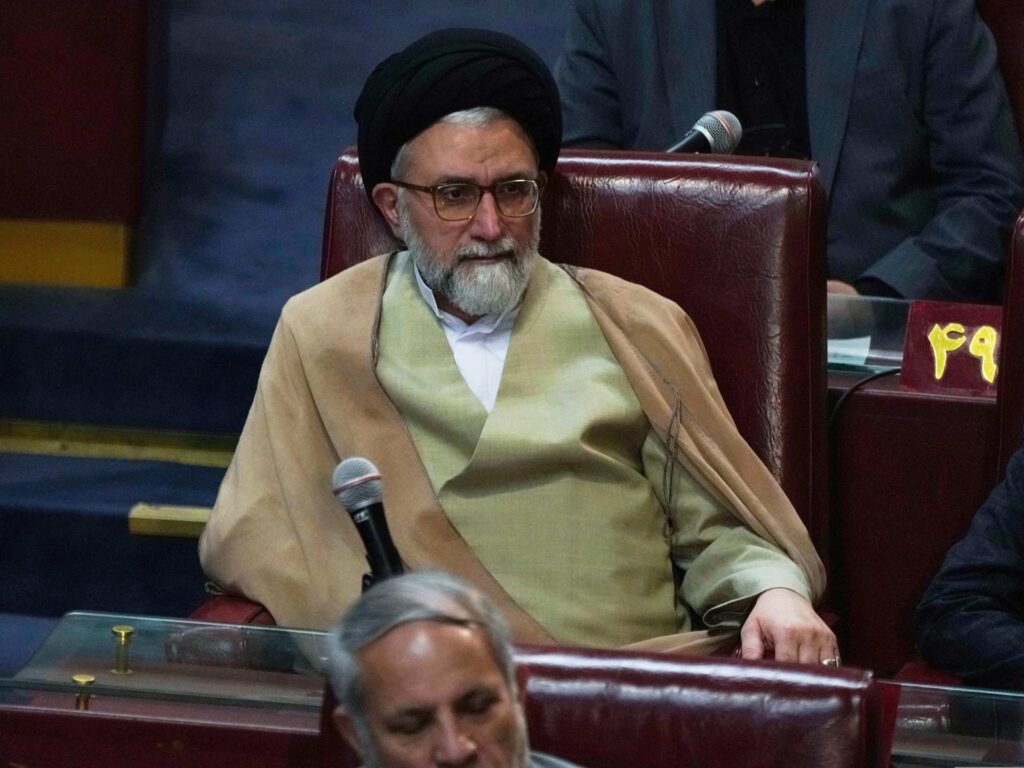
In a dramatic and alarming escalation in Middle Eastern geopolitics, Iran has confirmed the assassination of its Intelligence Minister, Esmaeil Khatib, marking the third such high-profile killing over the past two days. This development adds a significant layer of complexity and danger to an already volatile region.
Esmaeil Khatib’s death comes amidst increasing reports of targeted assassinations within Iran’s security and political apparatus, which many analysts interpret as part of a covert campaign against the Iranian government. Khatib, a key figure in Iran’s intelligence operations, played a crucial role in shaping the country’s domestic and foreign intelligence strategies.
The confirmation of Khatib’s killing has sent shockwaves through Iran’s political landscape. The Iranian government has vowed a robust response, promising to hold accountable those responsible for this act of aggression. Security measures have been heightened across the country, particularly around key governmental and military installations.
Meanwhile, reports have emerged from Israel stating that the Israeli military has been granted permission to target Iranian leaders “at will,” indicating a possible ratcheting up of covert operations aimed at Iranian officials. This unprecedented authorization suggests a significant shift in Israel’s military doctrine, potentially paving the way for more aggressive actions within Iran’s borders.
The assassinations appear to be part of a broader shadow conflict between Iran and Israel, reflecting long-standing hostilities and mutual distrust. These actions may be intended to disrupt Iran’s intelligence capabilities and cripple its leadership amid ongoing tensions related to Iran’s nuclear program, regional influence, and alleged support for militant groups.
International reactions have been swift, with calls for de-escalation from global powers cautious about the prospect of a wider conflict. The United Nations and various countries have urged restraint and dialogue, fearing that further assassinations could spiral into extensive military confrontations.
This spate of assassinations highlights the precarious security situation in the Middle East, where clandestine operations and proxy conflicts frequently manifest as overt violence. It underscores the risks of escalation that come with targeted killings of high-ranking officials, which often provoke retaliatory actions and destabilize already fragile political environments.
Looking ahead, the international community faces the urgent challenge of preventing this conflict from widening. Diplomatic efforts aimed at dialogue and conflict resolution must be intensified to avoid further bloodshed. Meanwhile, both Iran and Israel are likely to brace for increased tension as they navigate this dangerous chapter in their fraught relationship.
In summary, the assassination of Iran’s Intelligence Minister Esmaeil Khatib amid a series of targeted killings signals a critical and dangerous escalation in Middle Eastern affairs. With Israel poised for potentially unrestricted strikes against Iranian leadership, the region’s stability hangs in balance, demanding immediate attention from global leaders to avert a broader crisis.