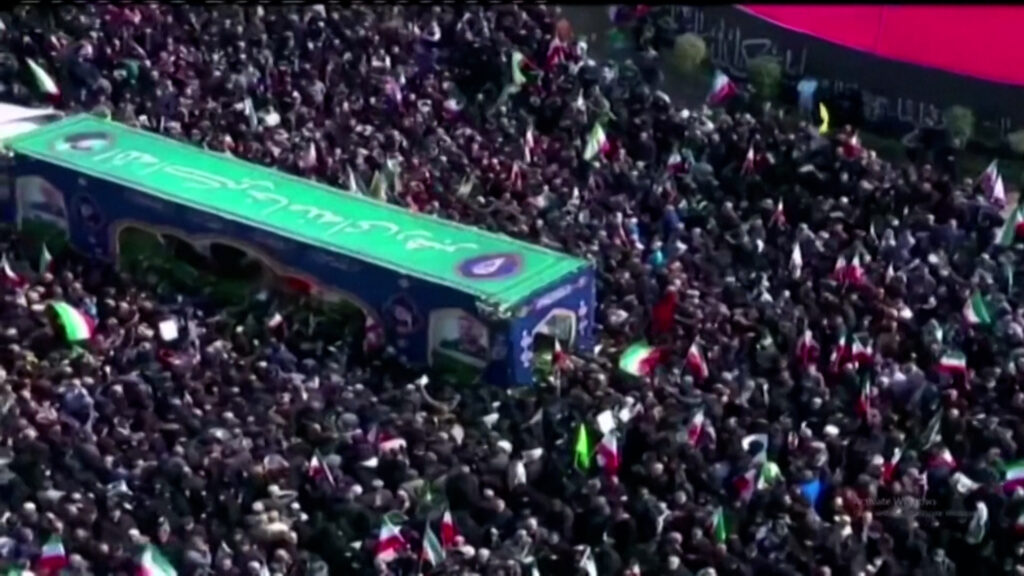
Iran recently conducted funeral ceremonies for two prominent senior security officials, Ali Larijani and Gholamreza Soleimani. These events drew significant attendance from Iranians who came to pay their respects and honor the contributions of both men to the nation’s security and political landscape.
Ali Larijani, a well-known political figure, held various influential positions in Iran’s government, including serving as the speaker of the parliament. He was widely respected for his role in shaping domestic policies and his involvement in diplomatic affairs. His death marks the loss of a significant player in Iran’s political sphere.
Gholamreza Soleimani, another senior security official, was recognized for his impactful work in Iran’s security apparatus. His contributions helped maintain the stability and security within the country, and his passing has been felt deeply among colleagues and citizens alike.
The funeral processions for these officials were marked by displays of mourning and respect. Attendees included government officials, security personnel, and ordinary citizens, reflecting the broad influence and legacy of both Larijani and Soleimani.
These funerals underscore the importance of these figures in Iran’s recent history and highlight the nation’s tradition of honoring its leaders and security officials. The ceremonies were not just moments of grief but also opportunities for reflection on the challenges and achievements in Iran’s political and security domains.
The gatherings reinforced a sense of national unity and underscored the continuing commitment of the Iranian people to their country’s stability and sovereignty. As the nation mourns these losses, it also reaffirms its dedication to the principles and objectives these officials championed throughout their careers.
In conclusion, the funerals for Ali Larijani and Gholamreza Soleimani were significant events in Iran, symbolizing both the end of important chapters in the country’s governance and security and the enduring respect and remembrance of their service by the Iranian populace.