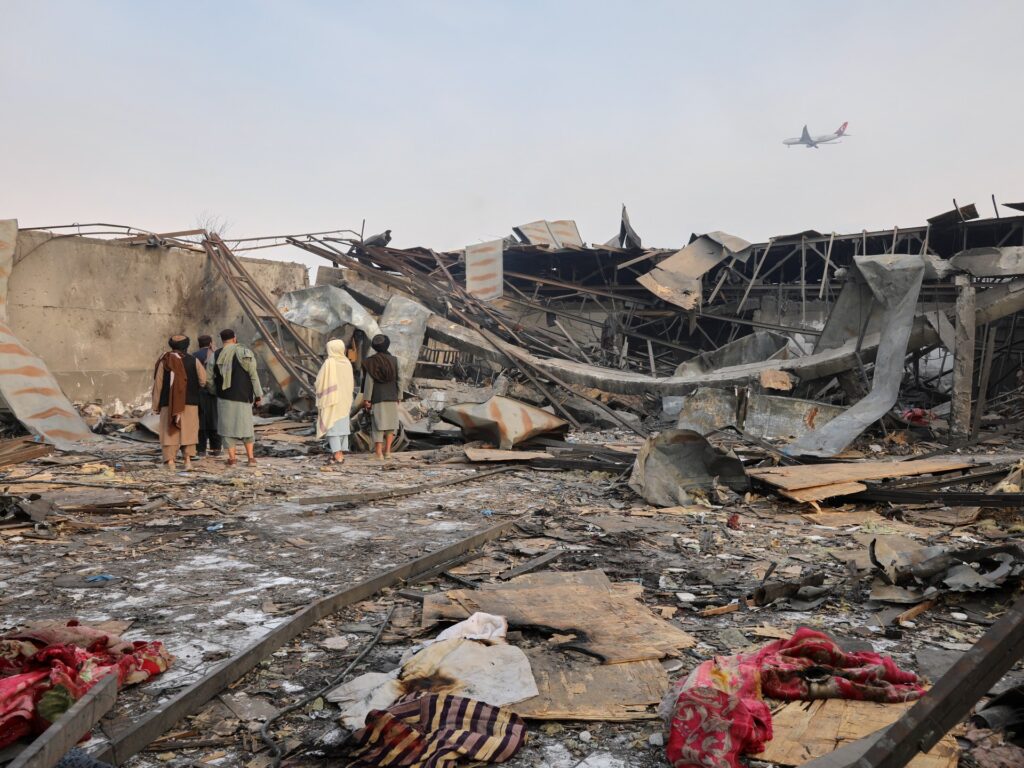
The United Nations has recently revised the death toll from the Kabul rehabilitation strike, which has further complicated the already tense situation between Islamabad and Kabul. Initially, the number of casualties reported was significantly high, sparking outrage and international concern. However, after a thorough reassessment, the UN has adjusted the figures, which has added a layer of complexity to the ongoing dispute.
This strike, which took place in Kabul, was initially attributed to Pakistani forces by Afghan officials, who claimed it was a deliberate attack on civilians. Islamabad, however, categorically denied these accusations, asserting that their military operations strictly target insurgents and avoid civilian casualties. This denial has been a crucial point of contention, as Pakistan insists it does not engage in attacks that harm non-combatants.
The revision of the casualty numbers by the UN has not quelled the tension. Instead, it has intensified the crisis, with both sides pointing to the figures to support their narratives. Afghan authorities argue that, regardless of the exact numbers, the strike represents an infringement on their sovereignty and a disregard for civilian lives. Meanwhile, Pakistan urges the international community to consider the revised toll as evidence that their operations are precise and discriminate.
This dispute has broader implications for regional stability. Afghanistan and Pakistan share a long and complex history, with cross-border tensions often flaring due to militant activity and political disagreements. The rehabilitation strike incident and the conflicting reports of civilian casualties underscore the fragility of relations and the difficulty of establishing trust.
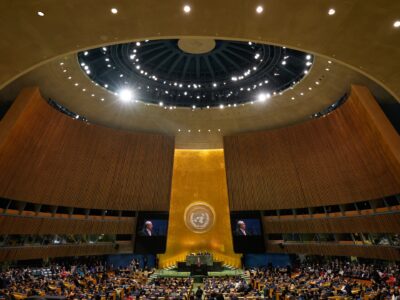
International diplomatic efforts are underway to mediate between the two countries. The UN, along with other regional organizations, is pressing for transparent investigations and greater cooperation to prevent future incidents. The goal is to ensure security operations are conducted with respect for human rights and to foster an environment where dialogue can replace conflict.
Human rights organizations have weighed in, emphasizing the importance of protecting civilian populations in conflict zones. They call for accountability and urge both countries to prioritize humanitarian concerns amidst their security challenges.
The revised casualty figures have also prompted discussions about the accuracy and reliability of warzone reporting. The chaotic nature of such events often leads to conflicting accounts, which can be exploited for political purposes. Accurate data is crucial for informed policy decisions and for maintaining international trust.
As the situation develops, the international community watches closely, hoping for a peaceful resolution. Both Kabul and Islamabad face pressure to de-escalate the conflict and engage in meaningful dialogue. The incident serves as a poignant reminder of the human cost of geopolitical strife and the urgent need for sustained peace efforts in the region.