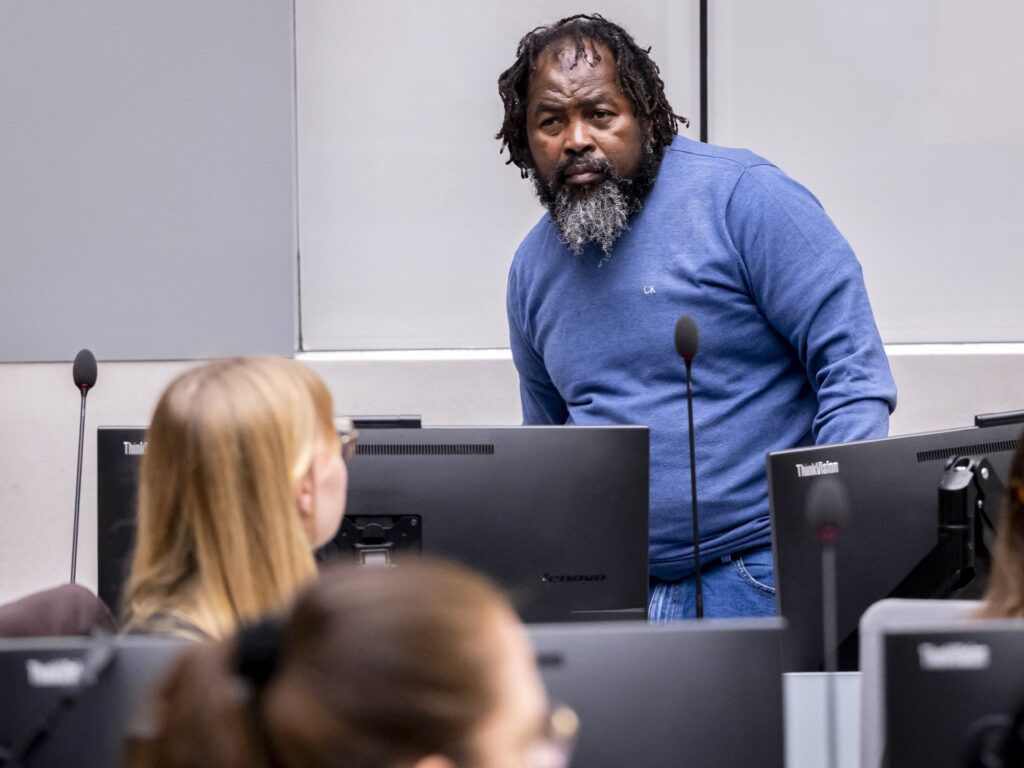
The International Criminal Court (ICC) has convicted Mahamat Said Abdel Kani, a former militia leader in the Central African Republic (CAR), for his role in overseeing brutal detention tactics including torture. The court’s judges ruled that Kani was directly responsible for atrocities committed at a detention facility in Bangui, the capital of CAR.
Mahamat Said Abdel Kani was a prominent figure in one of the numerous armed groups involved in the CAR conflict, a country that has been plagued by civil unrest and violence for years. According to the ICC’s findings, Kani’s leadership involved systematic abuses of detainees, with practices amounting to torture under international law.
The convicted militia leader was charged with war crimes related to his conduct during his time in control of the detention center. The ICC’s ruling highlights that the abuses were not isolated incidents but part of a coordinated pattern of cruelty inflicted on prisoners. This decision reflects the court’s commitment to holding individuals accountable for human rights violations, especially in conflict zones where the rule of law is often undermined.
During the trial, the ICC presented evidence demonstrating Kani’s direct involvement in designing and implementing harsh interrogation methods and conditions that resulted in severe physical and psychological harm to detainees. Witness testimonies and forensic reports played a crucial role in establishing the extent of the abuse.
The conviction of Mahamat Said Abdel Kani marks a significant milestone in the ICC’s efforts to bring justice to victims in the Central African Republic. The country has experienced repeated cycles of violence fueled by political instability and ethnic tensions, making accountability for war crimes and crimes against humanity particularly challenging.
Human rights organizations have welcomed the verdict as a crucial step toward justice and deterrence. They emphasize that this case sends a clear message that impunity for grave violations will not be tolerated, and that leaders at all levels can be held responsible for their actions.
The ICC judges also reiterated the importance of international cooperation in cases like these, calling on the Central African Republic and other states to support ongoing investigations and prosecutions related to the conflict.
Mahamat Said Abdel Kani’s conviction is anticipated to encourage further prosecutions of individuals responsible for atrocities in the region. It underscores the essential role that international tribunals play when national judicial systems are unable or unwilling to prosecute such serious crimes.
This ruling comes amid ongoing efforts to stabilize the Central African Republic, where peace agreements and disarmament initiatives are struggling to gain lasting traction. The ICC hopes that prosecutions like this will contribute to long-term peace and reconciliation by addressing the legacy of violence.
As Mahamat Said Abdel Kani awaits his sentencing, the international community continues to monitor the situation closely, seeking to ensure that justice and accountability are upheld to support victims and prevent future violations.
The ICC’s decision serves as a reminder of the importance of international law and the global commitment to protecting human rights even in the most challenging contexts. The conviction brings a measure of hope for those affected by the long-standing conflict in the Central African Republic and reaffirms the ICC’s role as a key institution in the fight against impunity worldwide.