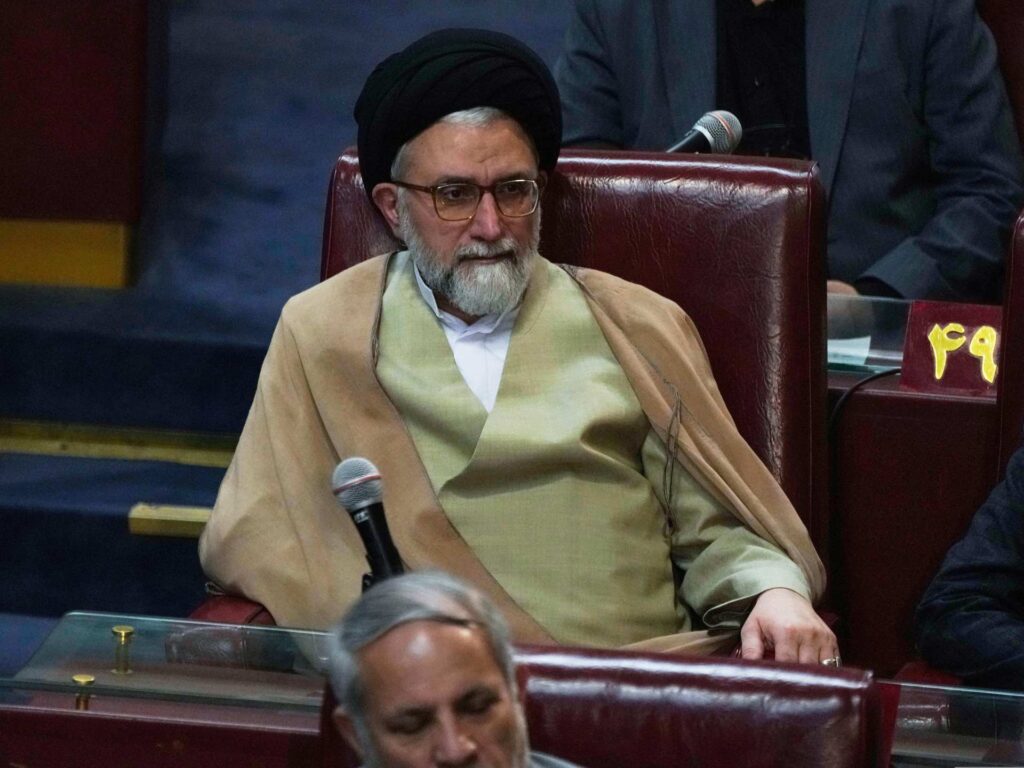
In a dramatic escalation of regional tensions, Israeli authorities have announced the killing of a senior Iranian intelligence minister, marking the third major assassination of an Iranian official in just two days. If these claims are confirmed, this represents a significant and unprecedented series of targeted killings aimed at Iran’s leadership.
This recent series of events follows two other high-profile assassinations of Iranian officials, signaling a calculated campaign that has sent shockwaves throughout the Middle East. The Israeli government has not disclosed many details about the operation or the target’s identity but has confirmed the elimination of a key figure within Iran’s intelligence apparatus.
Iran has consistently accused Israel of covert operations aimed at destabilizing its government and has vowed to respond to any acts of aggression with force. The killings have heightened fears of a broader escalation between the two countries, which have long been adversaries involved in proxy conflicts across the region.
The international community has expressed concern over the potential for increased violence and the destabilization of an already volatile region. Diplomatic efforts to de-escalate tensions are underway, but the rapid succession of assassinations has complicated these efforts.
This latest assassination comes amid rising hostilities, including cyberattacks, espionage, and military confrontations involving Israel and Iran’s regional allies. The killings appear to be part of a larger strategic effort to disrupt Iran’s intelligence and security infrastructure.
Political analysts suggest that these acts could provoke retaliatory strikes from Iran, potentially triggering a cycle of violence that could expand beyond the immediate conflict zones. The situation remains fluid, with both sides reinforcing their positions in preparation for possible further confrontations.
The impact of these assassinations extends beyond Iran and Israel, affecting global oil markets, regional security alliances, and the geopolitical balance of power in the Middle East. The international community is closely monitoring developments, urging restraint and dialogue to avoid a full-scale war.
As investigations continue into the circumstances and actors involved in these killings, the world watches with concern, hoping for a peaceful resolution to what could become a dangerous conflict. This unprecedented series of assassinations underscores the fragile and complex nature of Middle Eastern geopolitics and the high stakes involved for all parties.
The coming days will be critical in determining how Iran and Israel navigate this fraught situation and whether diplomatic channels can be revitalized to prevent further violence. Until confirmation and details of these assassinations are fully verified, uncertainty and tension will persist in the region.