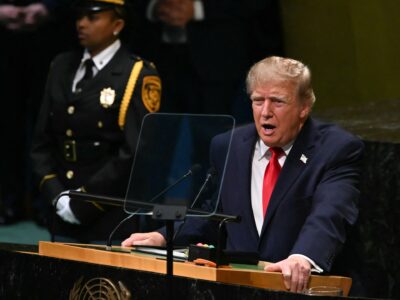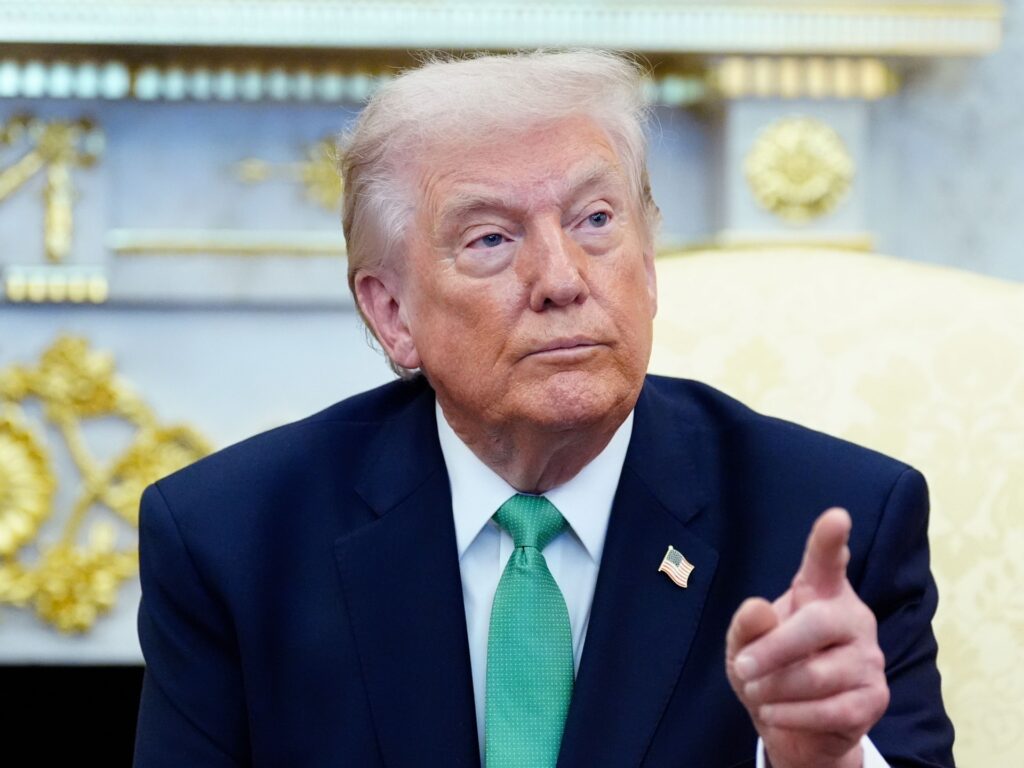
In a recent statement, former U.S. President Donald Trump declared, “We’ll be doing something with Cuba very soon,” signaling imminent U.S. action towards the island nation. This announcement comes while the administration continues to pursue aggressive policies in the Middle East, particularly against Iran.
President Trump and his Secretary of State have been vocal about their expectations for a change in leadership in Cuba, emphasizing the U.S. government’s desire to see a shift away from the current Cuban administration. This stance is consistent with previous U.S. policies that have sought to challenge the communist regime in Havana and promote democratic reforms.
The timing of this declaration is noteworthy given the ongoing tensions between the U.S. and Iran, where the White House has maintained a tough diplomatic posture, including sanctions and military pressure. Balancing multiple fronts, the administration appears to be escalating its efforts to influence Cuba, potentially through diplomatic, economic, or other means.
Historically, U.S.-Cuba relations have been strained since the Cold War, characterized by embargoes and limited diplomatic engagement. Recent years saw some thawing under previous administrations, but the Trump era has marked a return to harsher policies. The call for leadership change aligns with long-standing U.S. goals but raises questions about the approach and potential consequences.
Observers note that any new moves in Cuba could impact regional stability and U.S. relations with Latin American countries, many of which have complex ties to the Cuban government. Additionally, the Cuban government’s response to these signals will be critical in shaping the future of bilateral relations.
As developments unfold, the international community remains watchful of how U.S. actions towards Cuba will blend with ongoing strategies towards Iran and other geopolitical challenges. The announced “something” with Cuba may involve sanctions, diplomatic pressure, or support for opposition groups aiming to reshape Cuban politics.
This strategic pivot comes amid global uncertainty and amid numerous crises facing U.S. foreign policy, highlighting a significant focus on Cuba as part of the broader agenda. Stakeholders around the world are anticipating detailed plans and their implications for both Cuba and the United States.
In summary, Trump’s statement signals a forthcoming initiative directed at Cuba with the explicit goal of political change, during a period of heightened tension with Iran. The specifics of this initiative remain to be seen, but it underscores the administration’s broader commitment to confronting governments it views as adversarial. The world awaits more concrete announcements that will outline the nature and scope of U.S. engagement with Cuba in the near future.