Amid rising geopolitical tensions and concerns over global energy security, Iran has publicly accused the United States and Israel of instigating military aggression that disrupted transit through the strategically crucial Strait of Hormuz. Mohammad Ali Araghchi, Iran’s senior diplomat, has called for an international denunciation of what he described as deliberate acts aimed at undermining stability in the vital maritime chokepoint.
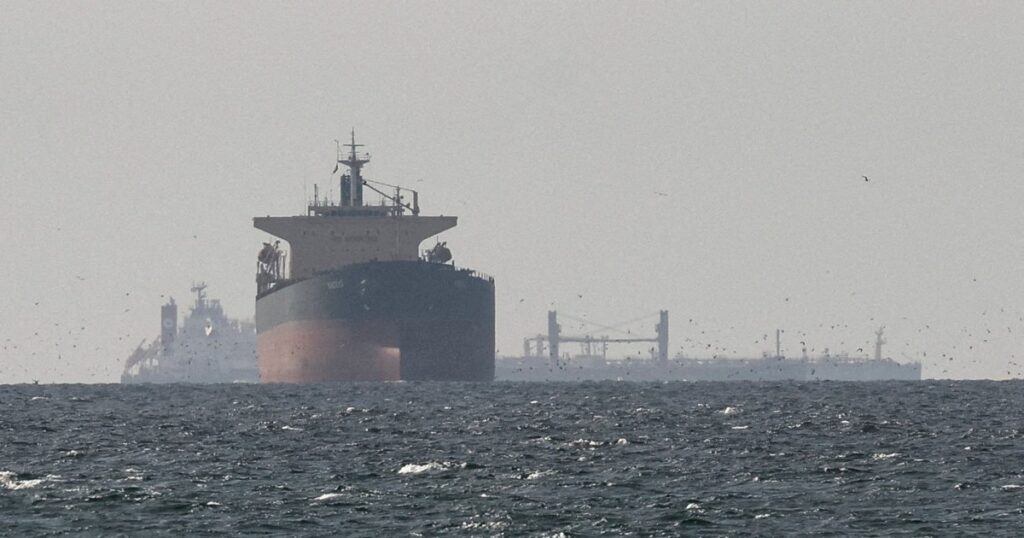
The Strait of Hormuz serves as one of the world’s most important conduits for oil shipments, with a significant percentage of the world’s petroleum passing through its narrow waters. Any disruption here carries substantial risks for global energy supplies, potentially impacting international markets and economies dependent on steady oil deliveries.
Iran’s blame against the US and Israel comes amid heightened tensions in the region, where the risk of conflict has repeatedly threatened the safety of commercial marine traffic. Araghchi emphasized that these actions not only jeopardize regional peace but also the broader international energy supply chain.
The international community now faces increasing pressure to respond to the crisis, balancing between condemning the alleged aggressions and preventing further escalation that could destabilize global oil markets.
Experts suggest that the conflict surrounding the Strait of Hormuz is emblematic of broader strategic rivalries in the Middle East, where conflicting interests over energy resources and geopolitical dominance intersect. Any confrontation could have far-reaching repercussions, exacerbating energy insecurity worldwide.
Iran’s narrative frames the recent incidents as a calculated attempt by the US and Israel to provoke instability, undermining diplomatic efforts aimed at regional de-escalation. Meanwhile, Tehran calls for a unified global stance against what it terms unlawful military interventions.
This situation intensifies calls for multilateral diplomatic engagement involving key regional and international actors to safeguard the Strait of Hormuz’s security and ensure uninterrupted energy flows.
As tensions remain high, markets globally are closely monitoring developments while governments grapple with strategies to mitigate potential supply disruptions, underscoring the profound interconnectedness of global energy security and geopolitical stability.
In conclusion, Iran’s accusations highlight the critical and fragile nature of the Strait of Hormuz, reminding the world of the delicate balance required to maintain peace in a region that significantly influences global energy dynamics.