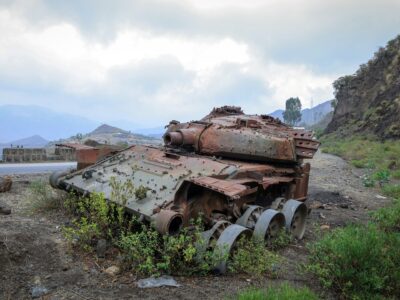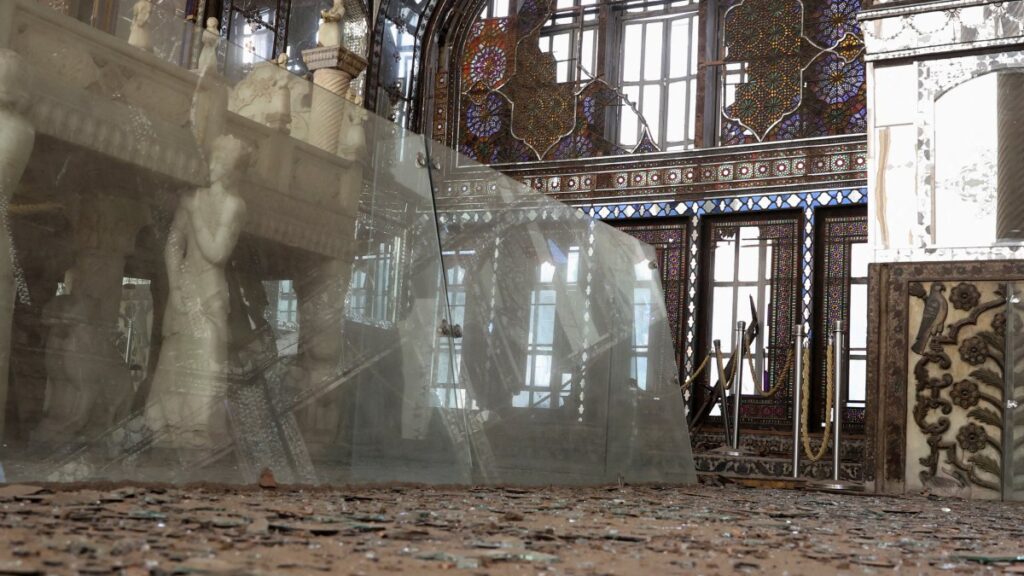
Amid escalating tensions and ongoing conflicts in the Middle East, Iran has accused the United States and Israel of targeting its cultural heritage sites as acts of war. According to Iranian officials, at least 56 heritage sites have been damaged or destroyed in recent hostilities. These allegations have sparked international concern over the preservation of Iran’s rich cultural history and the broader implications of warfare on cultural heritage.
Iran’s cultural heritage includes many significant archaeological and historical sites that reflect the nation’s ancient civilization and diverse cultural legacy. The destruction of these sites not only represents a loss to Iran but also to global history and humanity’s shared heritage.
The accusations come during a period of heightened military and political tensions between Iran and these two countries, primarily related to nuclear activities, regional influence, and security concerns. While neither the US nor Israel has officially acknowledged targeting cultural sites, the impact of military operations in the region has raised questions about collateral damage and the protection of culturally significant locations.
War and military engagements often pose serious threats to cultural heritage worldwide. These sites are vulnerable not only to direct attacks but also to inadvertent damage during conflict. International laws, such as the UNESCO World Heritage Convention and the Geneva Conventions, seek to protect cultural properties during times of war. However, enforcement and adherence remain challenging amid hostilities.
The destruction claimed by Iran reportedly includes ancient ruins, historic buildings, and monuments that have stood for centuries. Experts warn that the loss of such sites diminishes cultural diversity and hampers opportunities for education and cultural exchange. Preservationists urge all parties involved to exercise caution and respect in military operations to avoid irreversible harm to humanity’s cultural legacy.
The international community has called for investigations into these allegations to determine the extent of damage and to hold accountable those responsible for any intentional targeting of cultural heritage. This situation highlights the need for reinforced measures and global cooperation to safeguard cultural sites, especially in conflict zones.
In response, Iran has pledged to document damages and seek international support for restoration and protection efforts. Meanwhile, diplomatic efforts continue to address the broader conflicts fueling instability in the region.
As tensions persist, the fate of Iran’s cultural heritage hangs in the balance. The allegations of damage underscore the broader human cost of war, extending beyond lives lost to encompass the destruction of irreplaceable cultural treasures. Protecting these sites is crucial not only for Iran but for the preservation of humanity’s shared history.