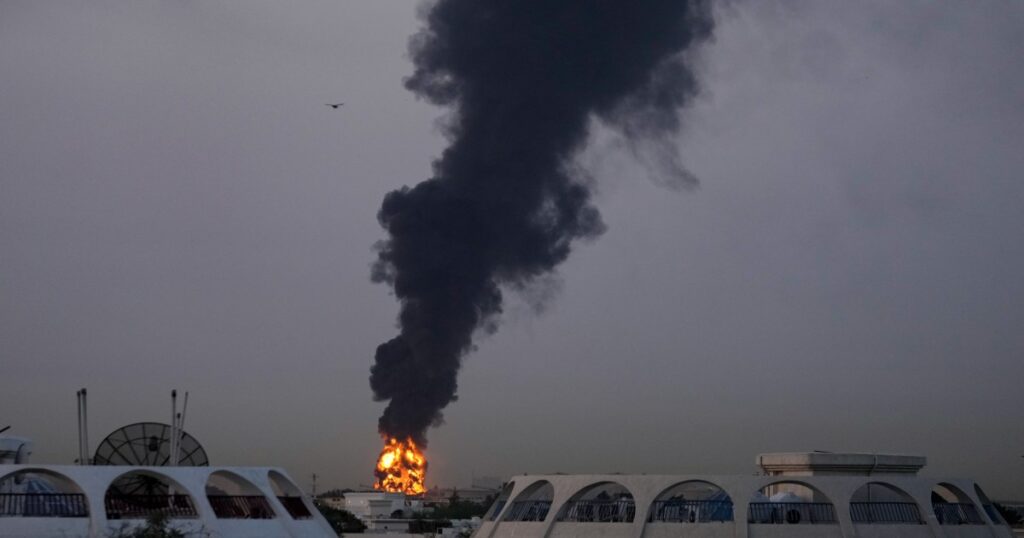
In a significant escalation of regional tensions, Israel has launched a series of air strikes targeting multiple locations in Lebanon and Tehran. Israeli military forces have struck three neighborhoods in Beirut, Lebanon’s capital, causing widespread alarm. These attacks mark a stark intensification amid ongoing conflicts in the region.
The Israeli army has also reportedly initiated fresh offensive operations in Tehran, Iran’s capital, suggesting a marked expansion of hostilities. This development represents a dramatic escalation between Israel and Iran, both of which are central players in Middle Eastern geopolitics.
The airstrikes in Beirut specifically hit densely populated neighborhoods, raising concerns about civilian casualties and infrastructure damage. Witnesses describe the sounds of explosions shaking buildings and widespread panic among residents. The situation in Lebanon is tense, with fears of further Israeli military action.
Meanwhile, Tehran has experienced similar disruptions, with reports indicating that Israeli forces targeted strategic locations within the city. These actions are seen as a direct response to perceived threats and ongoing hostilities between the two nations.
The international community is closely monitoring the situation. Calls for restraint and diplomatic dialogue have been issued to prevent a full-scale conflict. The United Nations and various countries have urged both sides to de-escalate and return to negotiations.
Israel’s government underscores that its operations aim to neutralize threats and maintain national security amid escalating attacks attributed to Iranian-backed groups. Iran has condemned the strikes, labeling them acts of aggression and vowing retaliation.
This latest round of violence follows months of heightened tensions, including proxy conflicts and cyber warfare between Israel and Iran. Experts warn that sustained military exchanges could destabilize the already volatile Middle East region, impacting global security and energy markets.
Energy prices have reacted to the conflict, with fluctuations observed in international oil markets due to uncertainty about supply disruptions. The regional economies face further strains as the fear of broader military engagement looms.
Humanitarian organizations express grave concerns over the civilian impact, with calls for immediate aid access to affected neighborhoods in Beirut and Tehran. Efforts are underway to provide medical relief and shelter to those displaced by the bombings.
Analysts suggest that the conflict may affect diplomatic relations and alliances, particularly involving Syria, Lebanon’s Hezbollah, and other regional actors. The geopolitical landscape could shift depending on the duration and intensity of hostilities.
As the situation develops, residents in both Lebanon and Iran brace for the possibility of continued attacks. Security measures have been heightened, and international evacuations of vulnerable populations are being discussed.
The Middle East remains a focal point of global strategic interests, and the unfolding crisis calls for urgent attention to prevent further escalation and promote peace in the region.