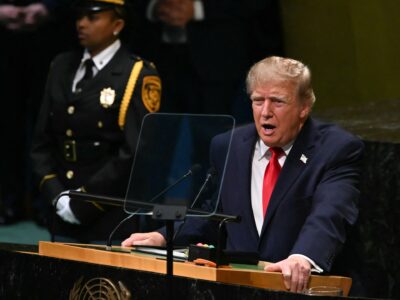
In a recent statement, US President Donald Trump assured that assistance to secure the strategic Hormuz Strait is ‘on the way,’ amidst escalating tensions in the region. The Hormuz Strait, a critical passage for global oil shipments, has been under threat, raising concerns over international trade and security. President Trump emphasized the importance of maintaining open and safe trade routes, highlighting the United States’ commitment to ensuring the flow of commerce through this vital chokepoint. However, the President refrained from specifying which allied nations are actively responding to his call for a naval coalition aimed at safeguarding the strait. Despite efforts to rally support, several key allies have reportedly rejected the notion of military intervention, wary of escalating military confrontation in an already volatile region. The United States continues to engage diplomatically with partners to build a cooperative framework that balances strategic interests with regional stability. This development underscores the complexities of international diplomacy in addressing security threats without exacerbating tensions. Analysts note that while the US pushes for a coordinated approach, the reluctance of some allies highlights differing national priorities and concerns about the ramifications of direct military involvement. Meanwhile, maritime traffic through the Hormuz Strait remains a focal point for global energy markets, with governments and corporations closely monitoring the situation. The President’s announcement reflects ongoing efforts by Washington to assert leadership in international security matters, particularly in regions critical to global trade. Observers anticipate further disclosures regarding coalition members and strategic plans as the situation evolves. The commitment to protecting the Hormuz Strait underscores its significance not only to the US but also to the broader international community reliant on its safe passage for energy supplies and commerce. As diplomatic dialogues progress, the balance between demonstrating resolve and avoiding open conflict remains delicate, with potential implications for regional and global stability. The evolving scenario in the Hormuz Strait will likely influence future defense and foreign policy decisions among US allies and partners worldwide.