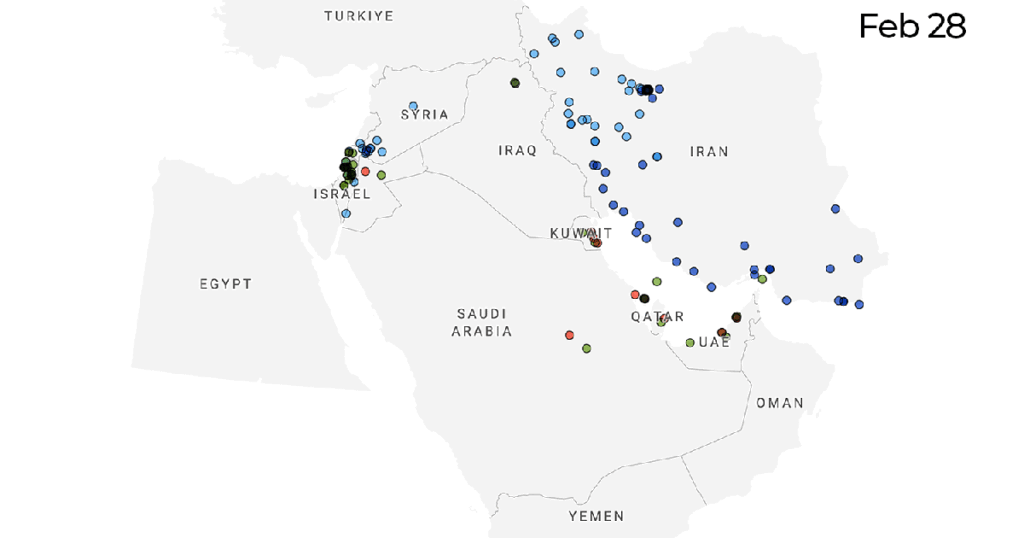
Over the span of 16 days, the ongoing conflict involving the US and Israel against Iran has seen a series of strategic attacks, with both sides utilizing a range of military tactics and weaponry. Since the initial attacks on February 28, the situation has evolved rapidly, with targeted strikes focusing on key military sites, infrastructure, and strategic assets across the region.
Day 1 (February 28): The conflict commenced with coordinated aerial strikes targeting Iranian military bases in the western region. Precision-guided munitions were predominantly used, aiming to cripple Iran’s missile production facilities.
Day 2: Attacks expanded to include cyber warfare efforts, aiming to disrupt Iranian communication networks and command systems. Ground forces began mobilizing on key fronts.
Day 3: Naval engagements occurred in the Strait of Hormuz, with US and Israeli naval vessels intercepting Iranian attempts to disrupt maritime traffic. Missile exchanges marked the escalation.
Day 4: Airborne drone strikes focused on weapons depots in northern Iran, weakening supply lines for Iranian forces operating near contested borders.
Day 5: Underground tunnel networks used by Iranian militias were targeted through precision bombings to minimize civilian casualties.
Day 6: Iran retaliated with missile launches targeting military outposts in Syria and Iraq supporting US and Israeli operations.
Day 7: Electronic warfare intensified, with both sides jamming and intercepting communication signals to gain operational advantages.
Day 8: Special forces conducted covert operations to sabotage Iranian supply chains and gather intelligence.
Day 9: Escalation in rocket attacks against border towns in Israel, leading to increased defense alerts and civilian evacuations.
Day 10: Cyberattacks aimed at Iranian energy infrastructure resulted in temporary power outages in several provinces.
Day 11: Airstrikes targeted Iranian air defense systems to reduce the threat to ongoing aerial operations.
Day 12: Intelligence reports indicated an increase in Iranian drone activity near US bases, leading to enhanced counter-drone measures.
Day 13: Artillery exchanges along the borders between Iran and Iraq highlighted the growing ground conflict intensity.
Day 14: A strategic missile strike by US-Israeli forces disabled a key Iranian nuclear research facility.
Day 15: Iran attempted to launch a missile barrage against Israeli civilian centers, which was largely intercepted by missile defense systems.
Day 16: The conflict saw a temporary ceasefire proposal, though tensions remained high with both sides preparing for possible renewed fighting.
Throughout these 16 days, the use of advanced weaponry including drones, cyber tools, and precision-guided missiles has characterized the conflict, with significant impacts on regional stability. Civilian populations in affected areas have faced displacement and disruptions amidst the ongoing hostilities.
The evolving nature of the attacks reflects the complex geopolitical stakes and the high cost of continued military engagement in the region. Analysts continue to monitor the situation closely, assessing implications for international diplomacy and future peace prospects.