The recent closure of the Rafah crossing has left thousands of Gaza patients stranded, unable to access vital medical treatment beyond the borders of the Gaza Strip. This key crossing point, which serves as the main gateway for medical evacuations, has been shut down amid ongoing political and security tensions, causing severe humanitarian consequences.
Gaza’s healthcare system is already under immense pressure due to limited medical supplies, damaged infrastructure, and shortage of specialized care facilities. Many patients require urgent treatment that cannot be provided locally, including cancer therapies, surgeries, and specialized diagnostic procedures. The closure of the Rafah crossing has halted these critical medical evacuations, leaving patients trapped and their conditions worsening.
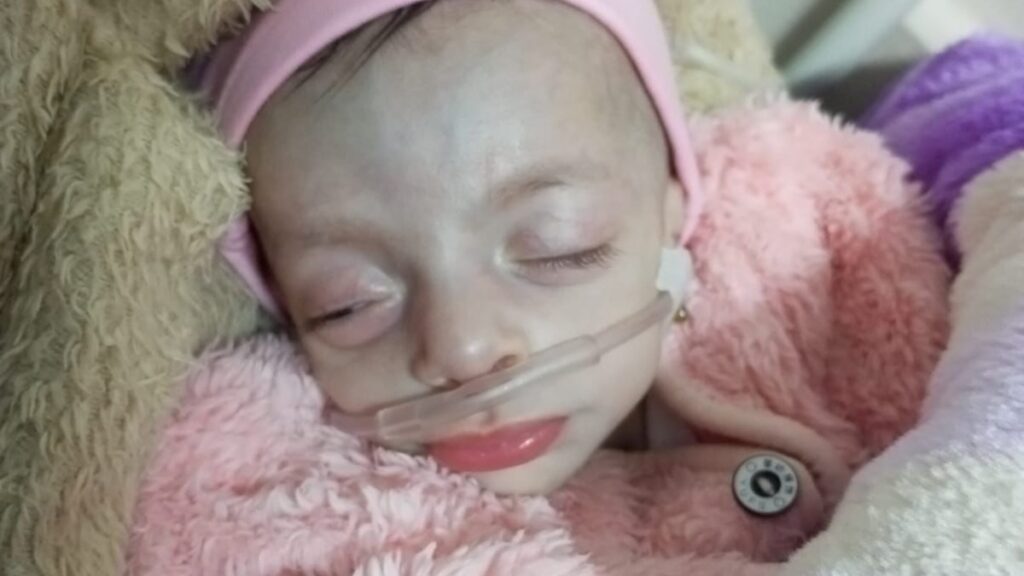
Doctors and humanitarian organizations warn that the situation is dire. Patients with life-threatening illnesses face delays that could result in irreversible health deterioration or even death. Families express deep concern and frustration as they watch their loved ones suffer without access to necessary care.
The closure also impacts medical personnel and supplies, restricting the flow of healthcare workers and essential medicines into Gaza. This exacerbates the healthcare crisis, undermining the capacity of local hospitals to treat patients.
International medical and human rights organizations have called on all parties involved to reopen the Rafah crossing urgently. They emphasize that humanitarian considerations must take precedence to ensure that patients receive timely treatment and that the healthcare system in Gaza is supported.
The closure of the Rafah crossing is not only a logistical challenge but a critical humanitarian issue, highlighting the urgent need for coordinated international efforts to provide access to medical care for vulnerable populations in conflict zones.
In summary, the Rafah crossing closure has trapped thousands of Gaza patients without needed medical treatment, worsening health outcomes and increasing the risk of preventable deaths. Immediate action to reopen the crossing and facilitate medical evacuations is imperative to address this growing crisis.