In a recent development, US President Donald Trump has urged allied nations to provide naval escorts for commercial ships transiting the strategic Hormuz Strait, a critical chokepoint for global oil shipments. This call to action comes amid increasing tensions with Iran, particularly with statements from Iran’s Revolutionary Guard vowing strong opposition.
The Hormuz Strait, located between the Persian Gulf and the Gulf of Oman, is one of the world’s most vital maritime passages. It is the transit route for a significant portion of the world’s oil supply, making security in the region a matter of international concern.
President Trump’s request for an international naval presence aims to ensure the safe passage of commercial vessels through the strait amid threats and heightened military activity in the area. The US sees this move as a way to deter potential harassment or attacks on shipping that could disrupt global energy markets.
Iran’s Revolutionary Guard, in response to the US proposal, issued a defiant statement, “Let him send his ships,” signaling their readiness to confront any foreign naval forces escorting ships through the strait. This rhetoric underscores the escalating tensions and the geopolitical chess play in the region.
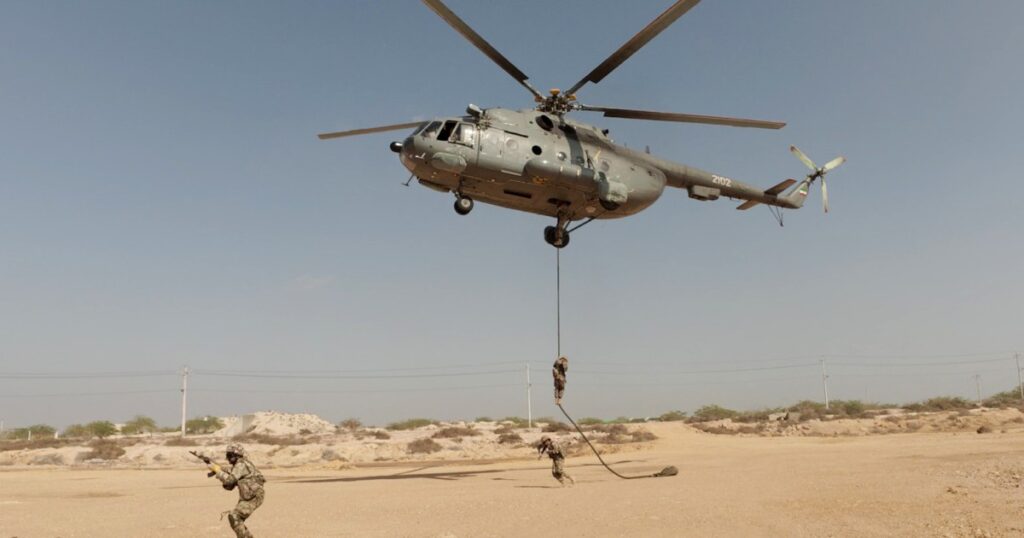
The US has increased its military presence in the Persian Gulf in recent months to counter what it describes as provocative actions by Iran, including attacks on oil tankers and the downing of an American drone. The move to encourage allies to join the effort reflects a strategy to share the responsibility of securing vital shipping lanes.
Allied countries face a complex decision balancing economic interests, regional stability, and their diplomatic relationships. Some nations depend significantly on Gulf oil imports, making safe passage through the Hormuz Strait a critical priority.
Analysts suggest that while a multinational naval escort could help reduce tensions by presenting a united front, it may also provoke further confrontations if perceived as an aggressive maneuver by Iran.
The international community continues to monitor the situation closely, advocating for diplomatic solutions to prevent escalation. Still, the naval escort initiative signals a robust approach by the US and its allies to safeguard maritime commerce and maintain freedom of navigation in a volatile region.
As the situation unfolds, the coming weeks will be crucial in determining whether diplomatic efforts can ease tensions or if the geopolitical standoff will intensify, with significant implications for global energy supply and regional security.