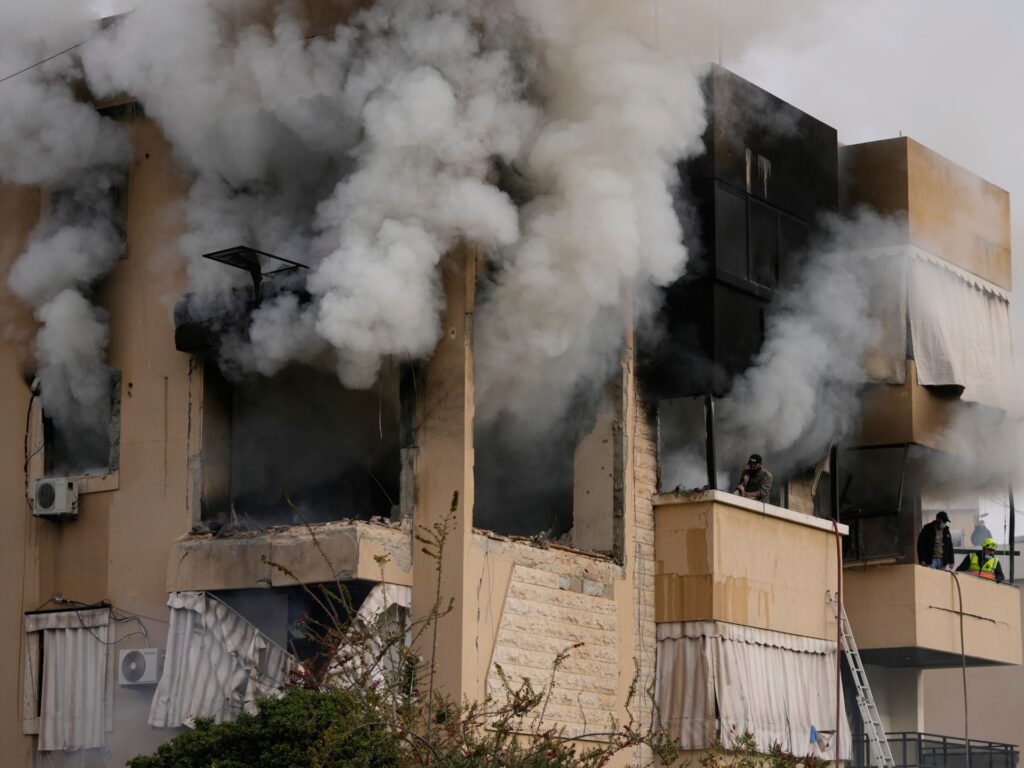
In a troubling escalation of the ongoing tensions between Israel and Lebanon, overnight Israeli military strikes have resulted in the deaths of four individuals in Lebanon. According to Lebanese media outlets and official authorities, the attacks targeted specific locations within Lebanese territory, causing casualties and raising concerns about the potential for further escalation.
The incident occurred amid ongoing efforts by international diplomats and regional powers to broker a peaceful resolution to the conflict. These diplomatic endeavors aim to deescalate hostilities that have periodically flared in recent months, threatening broader instability in the Middle East.
Lebanese authorities swiftly condemned the attacks, describing them as violations of Lebanese sovereignty and international law. The Lebanese government called for restraint on all sides and urged the international community to intensify its diplomatic engagement to prevent a recurrence of such violent incidents.
The Israeli military has not released an official statement detailing the objectives or motivations behind the strikes, but sources suggest the operations were part of a broader security campaign aimed at countering militant activities near the border.
This latest violence comes at a delicate time when regional and global actors, including the United Nations and key countries in the Middle East, are working to facilitate dialogue between the concerned parties. The goal is to achieve a durable ceasefire and address the underlying issues that fuel the conflict.
The international community, particularly governments and organizations involved in the peace process, have expressed alarm at the renewed violence. There is concern that continued attacks could derail months of painstaking negotiations and lead to a wider confrontation.
Civilians on both sides remain vulnerable, with local populations caught in the crossfire, suffering loss and trauma. Humanitarian groups have called for immediate measures to protect innocent lives and provide aid to affected communities.
As the situation develops, all eyes remain on diplomatic channels to see if they can yield a breakthrough that halts further violence. The hope is that dialogue will prevail over military action, paving the way for stability and security in Lebanon and the wider region.
Observers underline the need for sustained diplomacy, respect for international law, and the protection of civilian lives as essential components for long-term peace. The tragic loss of life in these overnight attacks serves as a stark reminder of the fragility of the situation and the urgency of finding a lasting solution.