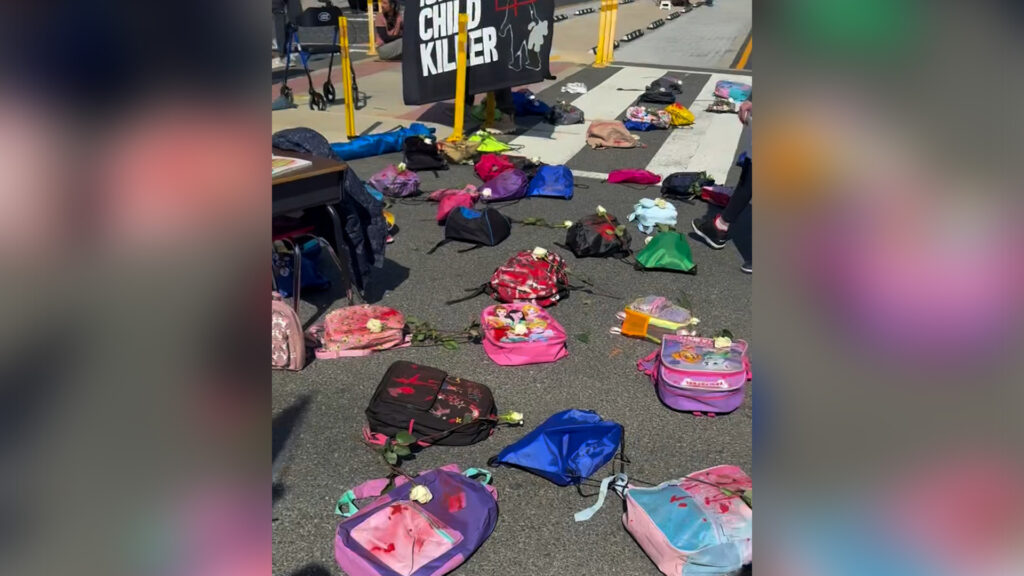
A significant group of activists recently gathered outside the White House to voice their opposition to any potential military conflict with Iran. The rally saw passionate speeches, placards, and chants advocating for peace and diplomatic solutions rather than war.
The protestors emphasized the devastating consequences of war, including loss of life, regional instability, and economic repercussions. Many speakers at the event urged the U.S. government to prioritize dialogue and negotiation to address tensions with Iran and avoid escalating conflict.
Organizers of the rally highlighted the importance of public engagement and awareness in influencing policy decisions related to foreign affairs. They called on citizens to contact their representatives, demand transparency, and push for policies that promote peace and stability.
This demonstration reflects growing concern among various activist groups and citizens regarding the possibility of U.S. military involvement in Iran. It also coincides with recent heightened tensions in the Middle East, prompting widespread calls for restraint from the international community.
The event was peaceful, but charged with emotion, showcasing the strong desire among protesters for a nonviolent resolution. It attracted a diverse mix of participants, ranging from long-time peace activists to everyday citizens worried about the implications of war.
In addition to speeches, activists distributed educational materials and engaged with passersby to raise awareness about the potential impacts of a war with Iran. Many stressed the importance of understanding the complexities of the situation and considering humanitarian perspectives.
This rally is part of a broader movement opposing potential U.S. military actions abroad and advocating for peaceful diplomacy. It highlights the ongoing debate within the country and the world about how best to handle complex international conflicts.
As tensions continue to fluctuate, events like this play a crucial role in shaping public opinion and pressuring policymakers to reconsider approaches to conflict resolution. The passionate response outside the White House underscores the urgency many feel about avoiding war and seeking lasting peace.
With global implications at stake, the voices of these activists serve as a reminder of the power of civic engagement and the importance of striving for a peaceful world through dialogue rather than violence.