In the latest developments surrounding the escalating tensions in the Middle East, significant updates have emerged that underscore the fragility of regional stability. US President Donald Trump has declared that the United States is not currently ready to make a deal with Iran, signaling a hardline stance amid the crisis. This statement highlights the complex and delicate nature of diplomatic efforts to de-escalate the conflict involving Iran.
Simultaneously, the strategic Strait of Hormuz continues to be a focal point of concern. This crucial waterway, through which a significant portion of the world’s Gulf oil passes, remains under constant threat amid increased military alert and regional hostilities. To ensure the continued flow of oil—which is vital not only to the Gulf nations but also to the global economy—President Trump emphasized that allies dependent on Gulf oil must contribute to efforts to keep the Strait open. This call reflects the shared international interest in maintaining stability and preventing disruptions in energy supplies.
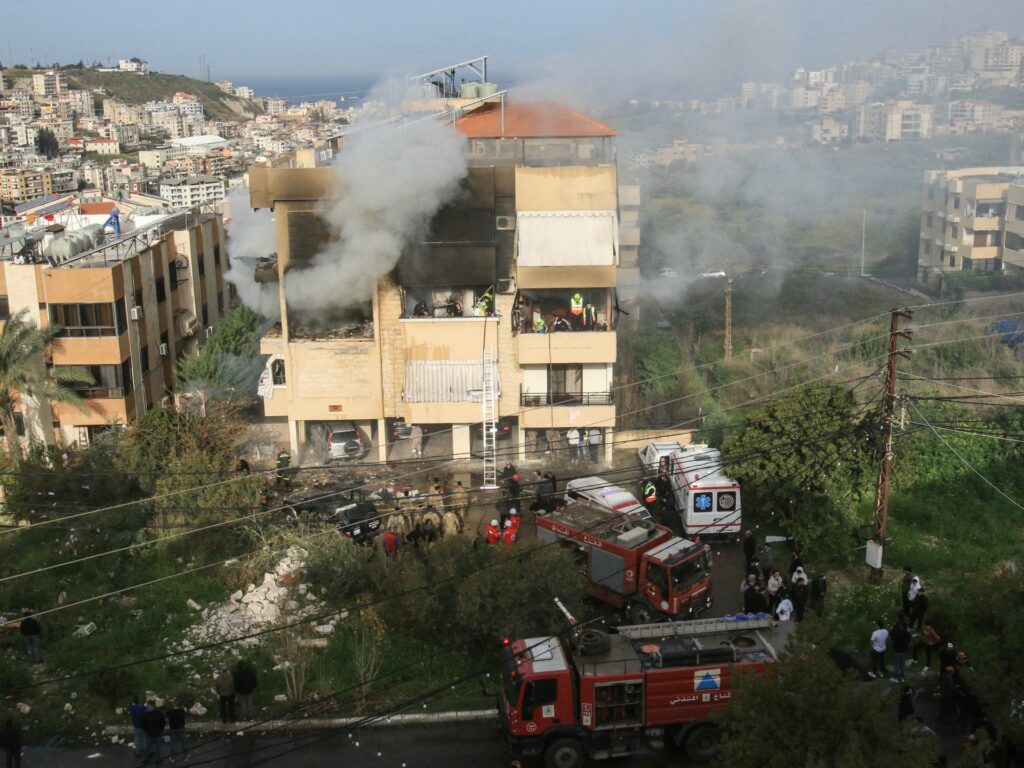
Meanwhile, tensions have also sharply risen within Israel, where air raid sirens blared across the country. The blaring sirens indicate increased security threats, likely related to the broader conflict involving Iran and its proxies in the region. These sirens serve as a stark reminder of the conflict’s immediate impact on civilian populations and the escalated state of alert that Israeli residents must endure.
President Trump’s comments and the escalation of sirens in Israel underscore the intertwined security challenges faced by the United States and its allies. The situation remains tense, with diplomatic negotiations stalled as military threats and alerts dominate headlines.
As the conflict evolves, the international community watches closely, weighing the risks of further escalation and the urgent need for diplomatic solutions. The stability of the Strait of Hormuz is crucial, as any disruption there could have far-reaching consequences on global energy markets and geopolitical alliances.
The administration’s insistence on allies sharing the responsibility of securing vital maritime routes highlights a broader strategy of coalition-building and burden-sharing in addressing regional security threats.
Given the ongoing volatility, analysts caution that the situation remains fluid, with the potential for rapid changes in the security landscape. The international community continues to urge calm and seeks pathways toward peaceful resolution.
In summary, the current scenario presents a complex interplay of diplomatic challenges, energy security concerns, and heightened military readiness. The US position, as articulated by President Trump, reflects a cautious approach amidst these challenges, prioritizing strategic alliances and the safeguarding of key economic interests in the region.
This live update will be monitored closely as new information emerges, with the hope that diplomatic efforts and allied cooperation will ultimately lead to de-escalation and stability in the Middle East.