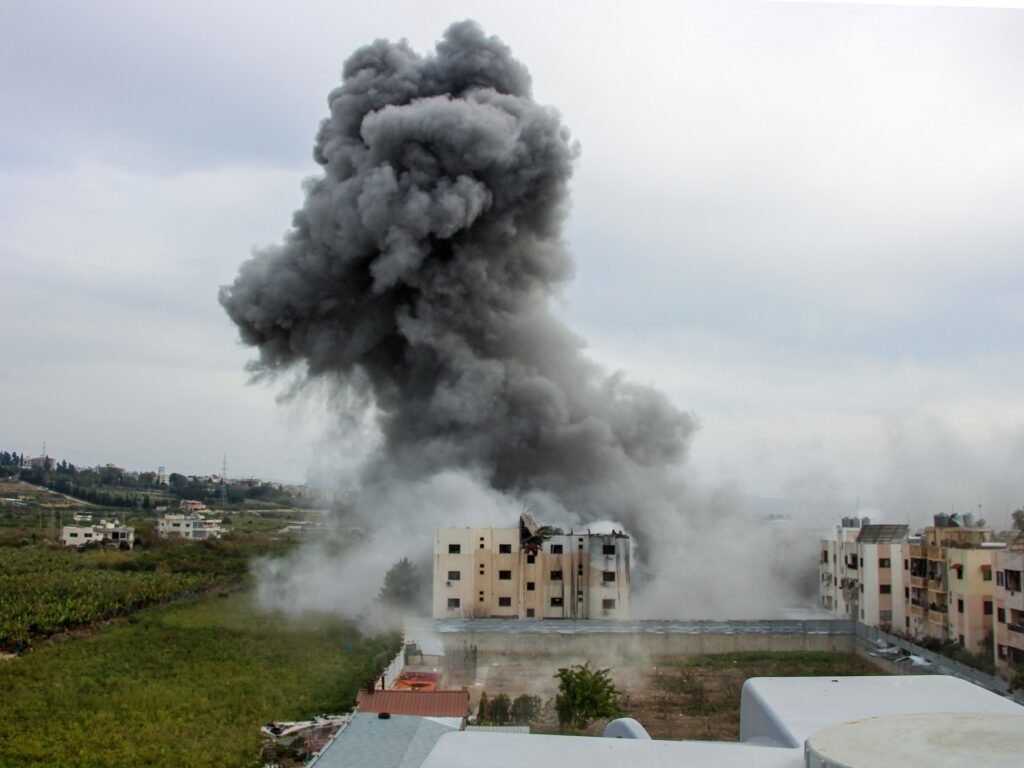
A recent Israeli military strike in southern Lebanon has tragically resulted in the deaths of 12 medical personnel, including doctors, paramedics, and nurses who were on duty at the time of the attack. This incident echoes the devastating impact of similar Israeli operations in Gaza, raising urgent concerns about the safety of healthcare workers in conflict zones and the wider humanitarian toll of the ongoing war.
The attack took place in a region of southern Lebanon that has been experiencing increased military activity as tensions between Israel and militant groups in Lebanon escalate. According to eyewitness reports and local officials, the medical team was providing urgent care to wounded civilians when the strike occurred, leading to significant casualties among the healthcare workers themselves.
This development has sparked widespread condemnation from international human rights organizations and medical groups, who emphasize that under international humanitarian law, medical personnel and facilities are protected from attacks during conflicts. The loss of these 12 frontline healthcare workers not only represents a tragic human loss but also a debilitating blow to medical services in the area, severely impacting the ability to treat the wounded and manage the widening humanitarian crisis.
The broader conflict, which has intensified in recent weeks, is marked by fierce exchanges between Israeli forces and armed factions based in Lebanon, alongside ongoing hostilities in Gaza. These hostilities have already resulted in significant civilian casualties and extensive destruction of infrastructure, exacerbating an already dire situation for innocent populations caught in the crossfire.
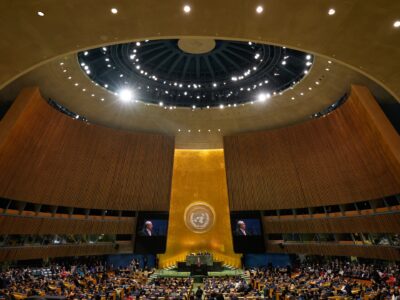
Leaders from several countries have called for immediate de-escalation and the protection of civilians and medical staff. The United Nations and other international bodies have reiterated the necessity for all parties to uphold international laws designed to safeguard non-combatants during armed conflict.
This tragic event underscores the indiscriminate nature of modern warfare and highlights the urgent need for sustained diplomatic efforts to bring an end to hostilities. As the conflict continues to ravage southern Lebanon and Gaza, the safety and security of medical workers remain paramount in providing essential care and support amidst the chaos, ensuring that the basic rights to health and humanitarian aid are preserved even during times of war.