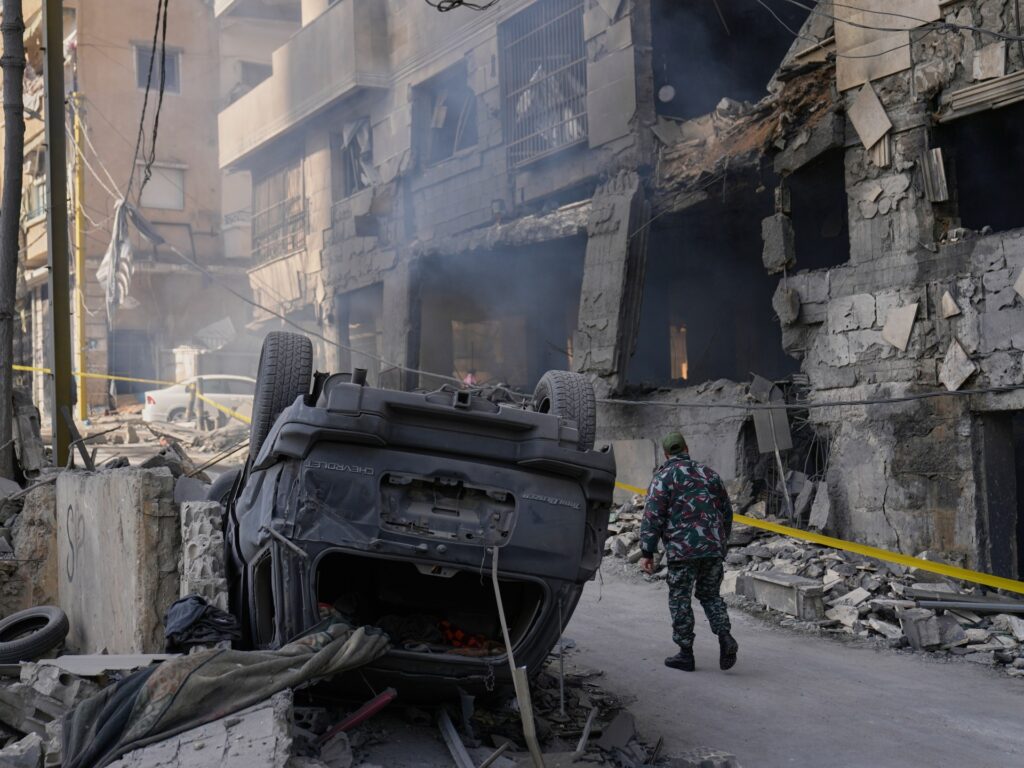
In a significant escalation of the conflict in the Middle East, more than two dozen people have been killed in Lebanon following a series of attacks by Israeli forces. These strikes have targeted regions in Beirut as well as southern and eastern parts of the country. Uniquely, the areas of Beirut that were hit have not previously seen attacks in the current conflict nor during the 2024 war, marking a shift in the pattern and intensity of the hostilities.
The latest offensives by Israel come amid heightened tensions and ongoing disputes in the region. Details confirm that residential and civilian areas in Beirut, which had largely been spared in past confrontations, have now suffered significant damage and loss of life. In addition to Beirut, the south and east regions of Lebanon are also bearing the brunt of these strikes, contributing further to the humanitarian crisis.
Witnesses and local authorities describe scenes of destruction and chaos following the Israeli bombings, with emergency services scrambling to rescue survivors and provide medical care to the wounded. The targeting of previously unscathed neighborhoods has shocked many residents and analysts, raising concerns about the potential for a broader escalation of violence.
Lebanese officials have condemned the attacks, calling for an immediate ceasefire and urging the international community to intervene and prevent further bloodshed. The loss of civilian lives is drawing widespread condemnation, highlighting the urgent need for diplomatic efforts to de-escalate the situation.
In the international arena, discussions are intensifying regarding the ramifications of the new Israeli strikes. Countries and international organizations are monitoring the situation closely as fears grow over the potential destabilization of the region. The focus remains on preventing the conflict from expanding and on protecting innocent civilians caught in the crossfire.
This latest series of events underscores the volatility and fragility of peace in Lebanon and its neighboring regions. Continued violence not only threatens lives and homes but also hampers efforts towards long-term stability and peace in the Middle East. Observers hope for a swift resolution to prevent further loss and to restore calm to the affected communities.
As the situation develops, updates will follow regarding the extent of damage, humanitarian response efforts, and diplomatic initiatives aimed at ending the hostilities swiftly and peacefully.