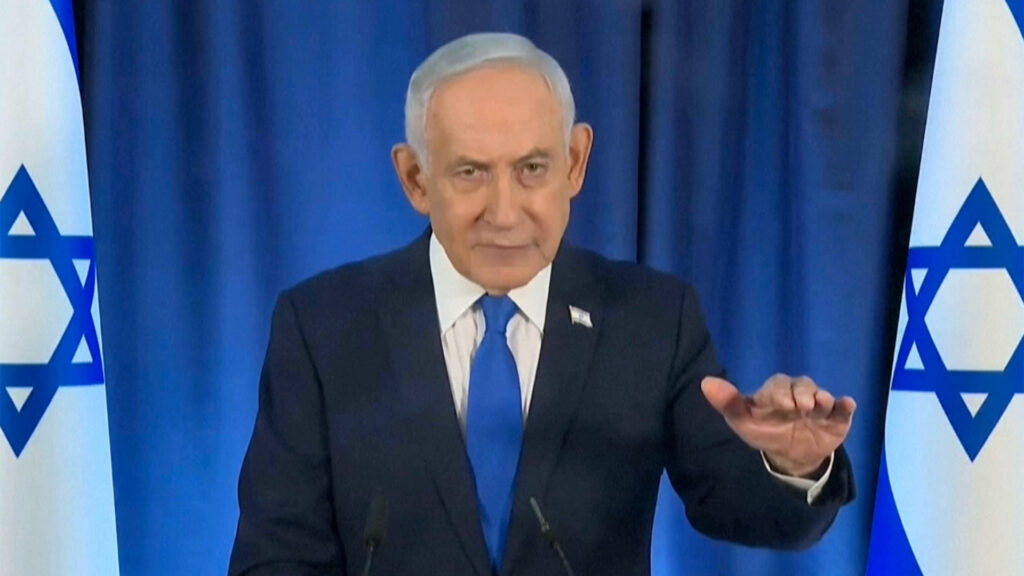
Israeli Prime Minister Benjamin Netanyahu has publicly stated that several Iranian nuclear scientists were killed in a series of Israeli strikes. This revelation adds to the ongoing tension between Israel and Iran, particularly regarding Iran’s nuclear program, which Israel perceives as a significant threat.
Netanyahu’s announcement highlights Israel’s ongoing efforts to impede Iran’s progress towards developing nuclear capabilities. The strikes reportedly targeted key personnel involved in Iran’s nuclear development, signaling a strategic attempt to slow or halt Iran’s nuclear ambitions.
The details of the operations, including the exact number of Iranian scientists killed and the locations of the strikes, were not fully disclosed. However, these actions appear to be part of a larger covert campaign to undermine Iran’s nuclear infrastructure and deter its development.
Iran has consistently denied pursuing a nuclear weapon, stating that its nuclear program is for peaceful purposes only. However, Israeli officials have maintained that Iran’s intentions are aggressive and pose a direct threat to regional stability and Israel’s security.
Netanyahu’s statement is likely to escalate tensions further between the two countries. Iran may respond with increased hostility or retaliatory actions against Israeli interests, both within and outside the region.
The international community has expressed concern over the escalating conflict between Israel and Iran. Some countries have called for restraint and renewed diplomatic efforts to address the nuclear issue peacefully. Meanwhile, others have supported Israel’s right to defend itself against what they view as potential nuclear weapons development in Iran.
This development underscores the persistent and complex nature of Middle Eastern geopolitics, particularly regarding nuclear proliferation. Israel’s proactive stance in targeting Iranian nuclear scientists marks a significant and controversial approach in international relations and security strategies.
Analysts suggest that while these strikes may temporarily delay Iran’s nuclear program, they also increase the risk of broader regional conflict. The situation remains volatile, with the potential for further escalations requiring careful monitoring and diplomatic engagement.
In conclusion, Netanyahu’s admission of Israeli strikes killing Iranian nuclear scientists brings to light the ongoing shadow war over nuclear capabilities in the Middle East. The implications are significant for regional security, international diplomacy, and the global effort to prevent nuclear proliferation.