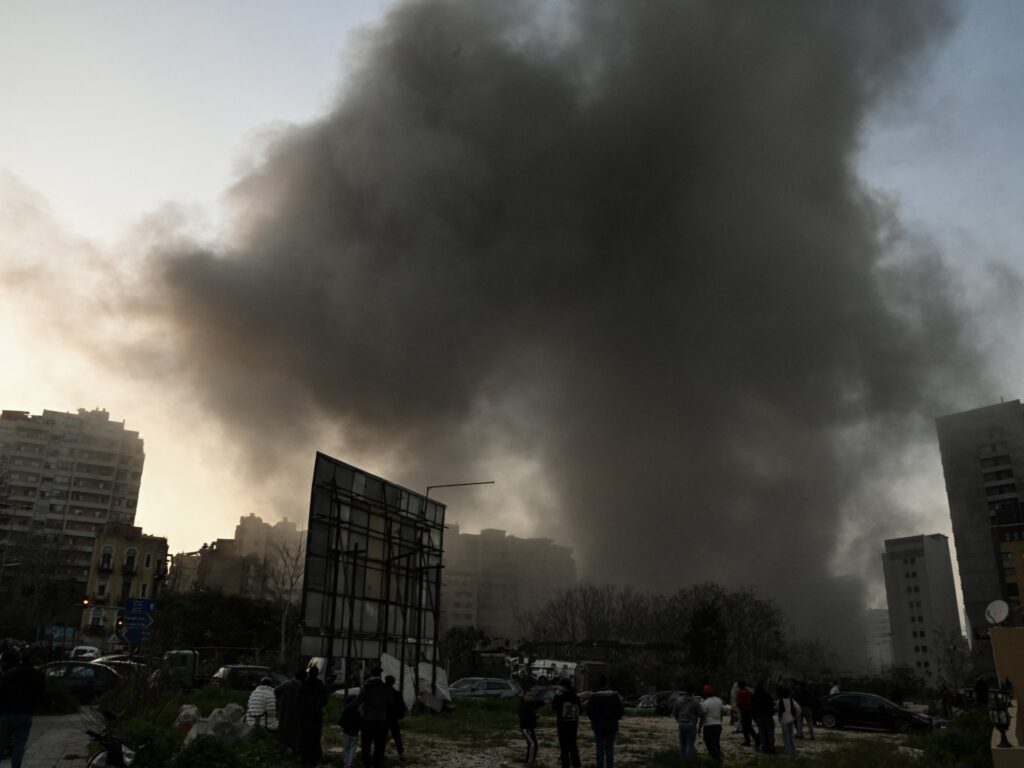
In a significant escalation of the ongoing conflict in the Middle East, Israel launched a targeted attack on the central area of Beirut, the capital of Lebanon. This military campaign represents a sharp intensification of hostilities that have already resulted in nearly 700 casualties.
The assault on Beirut marks the first time in the current conflict that the Lebanese capital has been hit so directly, escalating fears of a wider war in the region. The attacks have caused widespread destruction, particularly in densely populated urban areas, leading to significant civilian suffering and displacement.
The context of this escalation is rooted in a series of ongoing tensions between Israel and Lebanon, particularly involving the militant group Hezbollah, which is based in Lebanon. The conflict has seen exchanges of rocket fire, airstrikes, and ground clashes, contributing to a rapidly deteriorating security situation.
Israeli military officials have stated that the strikes targeted strategic locations in central Beirut, aiming to disrupt the operational capabilities of militant groups. However, the scale of the attacks and the location within the heart of the capital have drawn international concern over civilian casualties and the potential for long-term instability in Lebanon.
Humanitarian organizations have reported severe challenges in providing aid to affected populations due to the ongoing violence and destruction of infrastructure. Hospitals and emergency services are struggling to cope with the influx of wounded, and many residents have been forced to flee their homes amidst the chaos.
The Lebanese government has condemned the attacks, calling for an immediate cessation of hostilities and urging the international community to intervene to prevent further bloodshed. Diplomatic efforts are underway to establish a ceasefire, but the situation remains highly volatile.
This escalation in Beirut not only intensifies the conflict in Lebanon but also raises concerns about broader regional security. Neighboring countries and global powers are closely monitoring the situation, fearing that continued violence could spark a wider regional conflict.
As the situation develops, the international community is called to respond urgently to support humanitarian relief efforts and to foster dialogue aimed at de-escalating tensions. The people of Beirut and Lebanon face a critical juncture as they endure the profound impact of this violent chapter in their history.