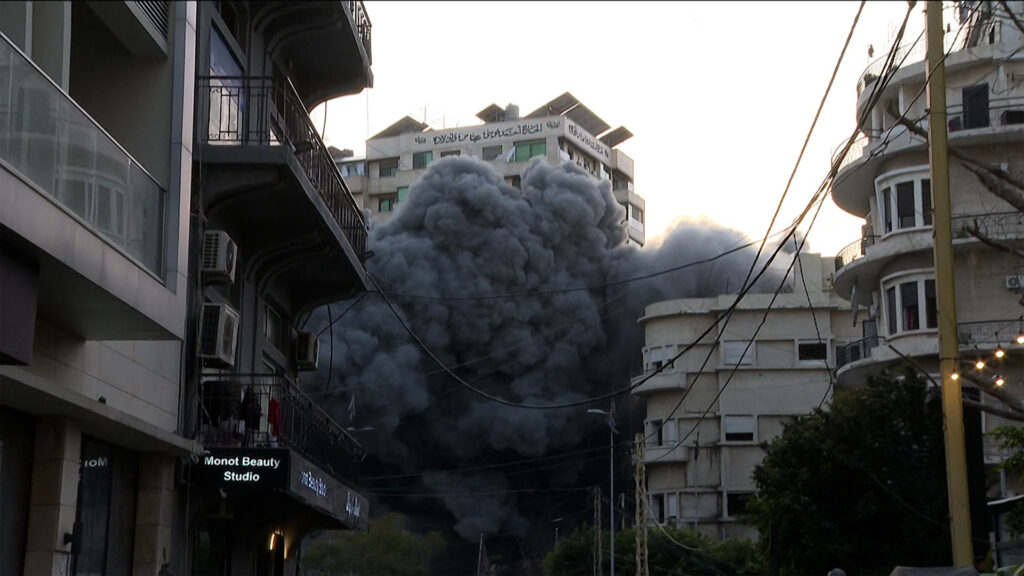
In a significant escalation of regional tensions, Israel launched an air attack on a building in Beirut, the capital of Lebanon, during a live broadcast on Al Jazeera. This attack is part of a new ‘wave of attacks’ targeting Hezbollah, the Lebanon-based militant group allied with Iran.
The strike took place while viewers across the world were watching live news coverage, heightening the dramatic impact and drawing international attention to the ongoing conflict. Reports indicate that the targeted building was either a Hezbollah operational site or linked to the group’s infrastructure.
This attack follows a series of Israeli military operations aimed at weakening Hezbollah’s capabilities, often justified by Israel as preemptive actions to prevent attacks against its territory. Hezbollah, on the other hand, has repeatedly vowed to retaliate against Israeli aggression.
Lebanese authorities and local witnesses confirmed the airstrike, reporting damage to the building and surrounding areas in Beirut. Casualty figures are still unclear, though emergency services have been dispatched to the scene.
The incident underscores the fragile security situation in Lebanon, where Hezbollah plays a powerful role both politically and militarily. Israel regards Hezbollah as a significant threat due to its extensive missile arsenal and its involvement in regional conflicts.
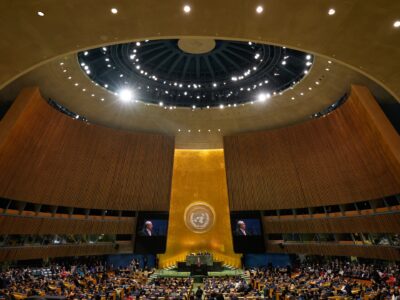
International reaction to the airstrike has been swift, with calls for restraint and dialogue to avoid further escalation. The United Nations and several Western and Middle Eastern countries have urged both sides to prevent any actions that could spiral into a broader conflict.
This development comes amid longstanding tensions between Israel and Hezbollah, rooted in their conflict over Lebanon and the Gaza Strip. Historically, cross-border attacks and retaliations have periodically ignited wider violence in the region.
Analysts warn that such attacks risk inflaming sectarian divisions within Lebanon and could destabilize the already volatile Middle East. Many hope that diplomatic channels will be utilized to address the underlying issues fueling the conflict.
The live broadcast of the airstrike on Al Jazeera has captured a stark reminder of the ongoing conflict’s immediacy and the human consequences of warfare. It has also raised questions about media coverage during active military operations and the role of journalism in conflict zones.
As investigations continue, international observers are monitoring the situation closely, emphasizing the need for a coordinated effort to promote peace and security in the region.
The incident highlights the persistent cycle of violence that has long plagued the Israel-Hezbollah relationship, reflecting deep-rooted political, religious, and territorial disputes.
Citizens in Lebanon and Israel alike watch anxiously, hoping that renewed military confrontations will not lead to a broader and bloodier conflict.
The international community remains committed to supporting peace initiatives and encouraging dialogue aimed at a sustainable resolution of the hostilities.
This latest airstrike is a stark reminder of the fragility of peace in the Middle East and the ongoing challenges faced by those seeking stability in the region.