In a recent statement, the US President Donald Trump expressed that it would not be “appropriate” for Iran to participate in the FIFA World Cup if it is hosted by the United States. The president, who has previously been awarded the FIFA Peace Prize, emphasized that while Iranian players would be welcomed, their safety is a paramount concern that warrants reconsideration of their involvement.
Trump’s comments come amid heightened tensions between the United States and Iran, reflecting the broader geopolitical climate that influences international sports events. The World Cup, a prestigious global soccer tournament, unites nations from around the world, promoting peace and friendly competition. Despite this unifying role, security remains a critical issue, especially for countries involved in political disputes.
The US administration is reportedly monitoring the situation closely to ensure the safety and security of all participants and fans during the event. There have been concerns about potential threats to players from countries with strained relations with the host nation.
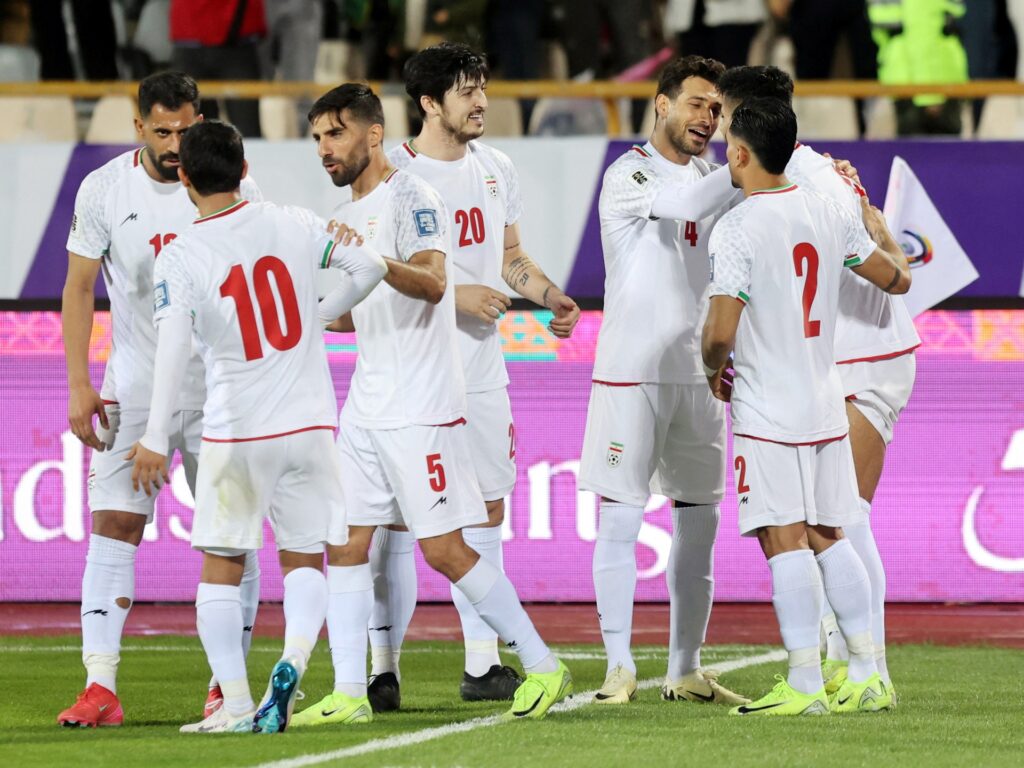
Trump acknowledged the Iranian team’s talent and passion for the sport, indicating that the invitation to participate stands in principle but highlighted that the priority is to protect the players from possible harm. He suggested that alternative venues or arrangements might be considered if the safety of the Iranian squad cannot be guaranteed.
This stance has elicited mixed reactions internationally. Some see it as a necessary precaution in a complex political landscape, while others view it as an exclusion that could undermine the spirit of the World Cup, which aims to transcend politics through sport.
FIFA has not issued an official response yet but has historically advocated for inclusivity and non-discrimination in its competitions. The organization stresses the importance of sport as a platform for bringing people together, regardless of nationality or political background.
Iranian officials have not commented extensively on Trump’s remarks but have expressed a desire to participate fully in international sporting events. The safety concerns raised may prompt discussions among FIFA, the US government, and international sports bodies to find a suitable resolution.
The debate highlights the challenges that arise when global politics intersect with international sports. Ensuring athletes’ safety while maintaining the inclusive, peaceful ethos of events like the World Cup requires delicate balancing acts and diplomatic engagement.
As preparations for the World Cup continue, all eyes will be on how these issues are addressed. The overarching goal remains to deliver a tournament that celebrates athletic excellence and the power of sport to unite diverse peoples worldwide.
In conclusion, President Trump’s comments underscore the complexities of hosting major international sports events amid geopolitical tensions. While Iran’s participation is welcomed, the paramount concern for player safety continues to be a decisive factor shaping the future of the tournament in the United States.