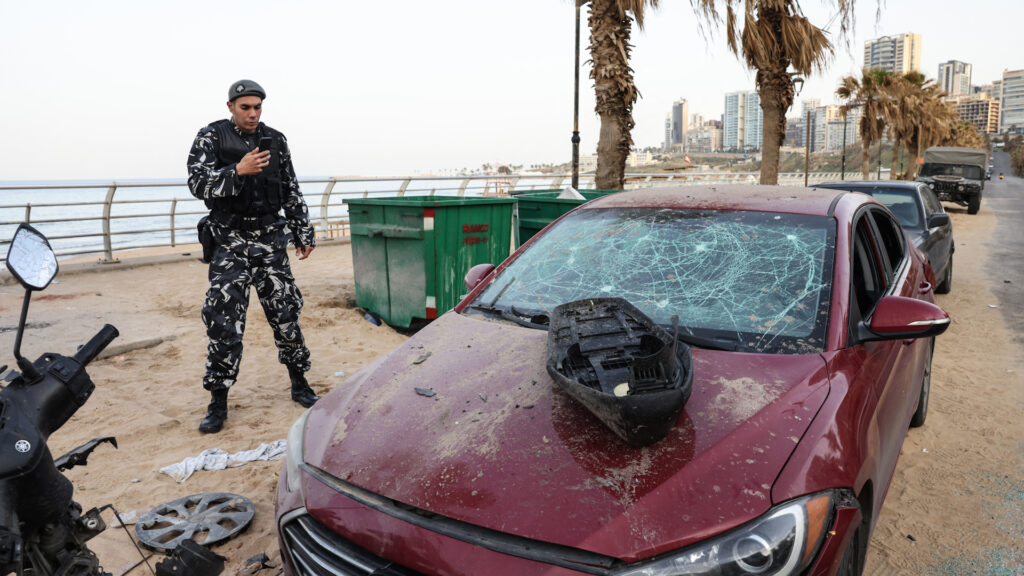
An Israeli strike on the Beirut seafront tragically resulted in the death of at least eight people and left dozens more injured, marking a significant escalation in the ongoing tensions in the region. The attack targeted a popular beachfront area, causing widespread devastation and panic among residents and visitors. Witnesses described scenes of chaos as emergency services rushed to the scene to assist the victims and secure the area.
The attack has been widely condemned by international communities and human rights organizations, emphasizing the impact on innocent civilians and the violation of international humanitarian laws. Lebanese officials have called the assault a blatant act of aggression and vowed to pursue accountability for the lives lost and those affected.
The geopolitical context of this attack is complex, with longstanding hostilities between Israel and Lebanon, particularly involving various militant groups operating within Lebanese territory. Israeli authorities have stated the strike was aimed at neutralizing perceived threats, though details on the specific targets have remained scarce.
In the aftermath, medical facilities in Beirut have been overwhelmed with the influx of casualties, prompting urgent calls for additional medical aid and support from global relief organizations. The Lebanese government has also mobilized efforts to provide immediate assistance to the victims’ families and restore security to the impacted areas.
This incident has heightened fears of a broader conflict, with regional powers and international actors urging restraint and dialogue to prevent further escalation. The impact on civilian life and infrastructure raises serious concerns about the humanitarian situation and the prospects for peace in the region.
Efforts are now underway to gather more information and provide a comprehensive assessment of the damage and casualties. Meanwhile, the international community continues to monitor developments closely, advocating for protection of civilians and adherence to international law during times of conflict.