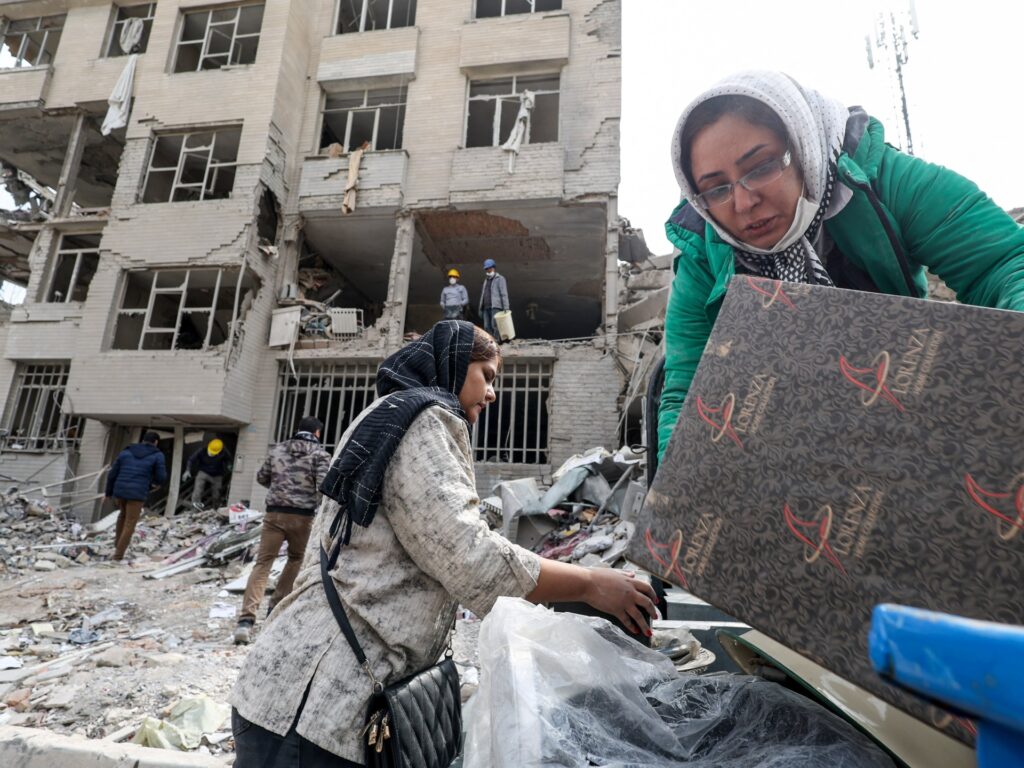
The United Nations refugee agency has reported a staggering displacement of up to 3.2 million people within Iran, attributing the mass movement to ongoing deadly strikes by US and Israeli forces across the country. This forced displacement crisis is intensifying as military actions continue, leading to severe humanitarian repercussions.
The UNHCR (United Nations High Commissioner for Refugees) has issued an urgent call, warning that the current figures of displaced individuals are likely to rise if the attacks persist. The agency’s report highlights the widespread disruption caused to civilian life, with entire communities uprooted and forced to seek shelter and safety elsewhere within the nation’s borders.
According to the report, the affected population comprises many vulnerable groups, including families, children, and the elderly, all enduring harsh conditions amid the conflict. Basic necessities such as food, clean water, medical care, and adequate shelter have become increasingly scarce, exacerbating the humanitarian crisis.
The UNHCR’s assessment underscores that the displacement has led to significant challenges in accommodating the sudden influx of people fleeing conflict zones, placing immense strain on internal resources and infrastructure. Refugee camps and temporary shelters are rapidly reaching capacity, forcing aid organizations to ramp up their emergency response efforts.
This displacement is occurring alongside broader socio-political instability triggered by the US and Israeli military operations in Iran, which have targeted various strategic locations. The escalation in attacks has heightened tensions in the region, complicating diplomatic efforts and exacerbating the plight of civilians caught in the crossfire.
International humanitarian groups are calling for an immediate cessation of hostilities to allow safe passage and access for aid delivery to affected populations. They emphasize the urgent need for coordinated global intervention to mitigate the ongoing crisis and provide relief to displaced communities.
The UN’s report also notes that without an end to the US-Israeli strikes, the displacement will likely worsen, potentially creating a protracted humanitarian emergency with severe long-term impacts on Iran’s social and economic stability.
Iranian authorities have expressed concern over the situation, urging for dialogue and peaceful resolution to halt further displacement and suffering. However, as strikes continue, the prospects for swift resolution remain uncertain.
Human rights organizations have documented numerous incidents of civilian casualties and destruction of infrastructure vital for sustaining communities, condemning the attacks as detrimental to regional peace and security.
The displacement crisis reflects a broader pattern of conflict-driven humanitarian emergencies in the Middle East, underscoring the urgent need for comprehensive conflict resolution strategies that prioritize human safety and dignity.
As the world watches, the UNHCR and other aid agencies are mobilizing resources to assist displaced populations, advocating for increased international support and attention to this escalating crisis in Iran.
The situation calls for heightened diplomatic engagement alongside humanitarian aid to address both immediate needs and root causes, preventing further displacement and fostering conditions for eventual return and recovery.
In summary, the displacement of up to 3.2 million people across Iran due to US-Israeli military operations represents a critical humanitarian concern, demanding urgent international response to avert further suffering and instability in the region.