Amid escalating tensions in the Gulf region, Iran has reportedly targeted several Gulf nations using missiles and drones. This development comes as global oil prices experience a significant surge, raising concerns about the stability and security of one of the world’s most vital energy corridors.
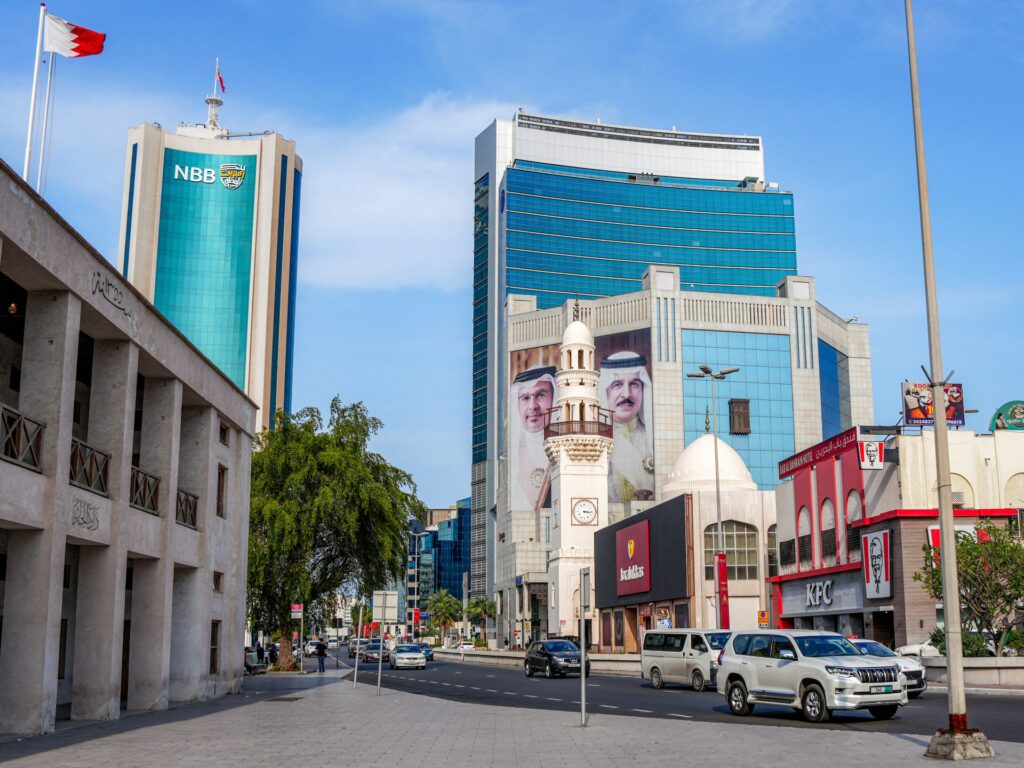
Recently, Bahrain reported an attack on its fuel tanks, which is suspected to have been carried out using drone technology. This assault on critical energy infrastructure highlights the increasing use of unmanned aerial vehicles in asymmetric warfare within the region.
In response to escalating threats, Saudi Arabia has successfully intercepted and shot down multiple drones that were reportedly heading toward a key Saudi oilfield. This proactive defense measure illustrates the heightened alertness and defensive posture of Gulf countries in protecting their energy assets.
The backdrop to these aggressive maneuvers includes a complex web of geopolitical disputes, sectarian rivalries, and economic pressures. Iran’s strategic use of missile and drone technology marks a new phase in the ongoing proxy conflicts across the Middle East, particularly targeting countries aligned with Western powers and Saudi Arabia.
Energy markets have reacted sharply to these developments, with oil prices climbing amid fears of supply disruptions. The Persian Gulf, particularly the Strait of Hormuz, remains a critically sensitive area where a significant portion of the world’s oil shipments passes. Any instability directly threatens global energy security and economic stability.
Bahrain’s recent experience with drone attacks on vital fuel storage facilities underlines the vulnerability of Gulf nations to unconventional warfare tactics. Such attacks can cause not only immediate infrastructural damage but also long-term economic consequences by disrupting fuel supplies and raising operational costs.
Saudi Arabia’s strategic interception of hostile drones underscores the importance of advanced air defense systems in the modern geopolitical landscape. The use of drones by non-state and state actors alike complicates traditional defense paradigms and necessitates continual upgrades to military technology and intelligence capabilities.
The broader implications of Iran’s actions extend beyond immediate military confrontations. They contribute to global market volatility, induce political uncertainty, and create challenges for diplomatic efforts aimed at de-escalation.
Efforts to resolve tensions through dialogue have been hindered by mutual distrust and divergent interests among regional players. Western nations, particularly the United States, remain heavily involved as they seek to support their Gulf allies and ensure the free flow of oil.
Analysts warn that continued escalation could lead to more severe conflicts, potentially involving additional regional and international actors. This scenario poses risks not only to regional security but also to global economic stability.
In conclusion, the recent missile and drone attacks attributed to Iran against Gulf nations represent a significant escalation in regional tensions. These actions, coupled with rising oil prices, emphasize the fragility of peace and security in the Gulf region. The international community’s response in the coming weeks will be crucial in shaping the future trajectory of this volatile situation and in safeguarding critical energy supplies worldwide.