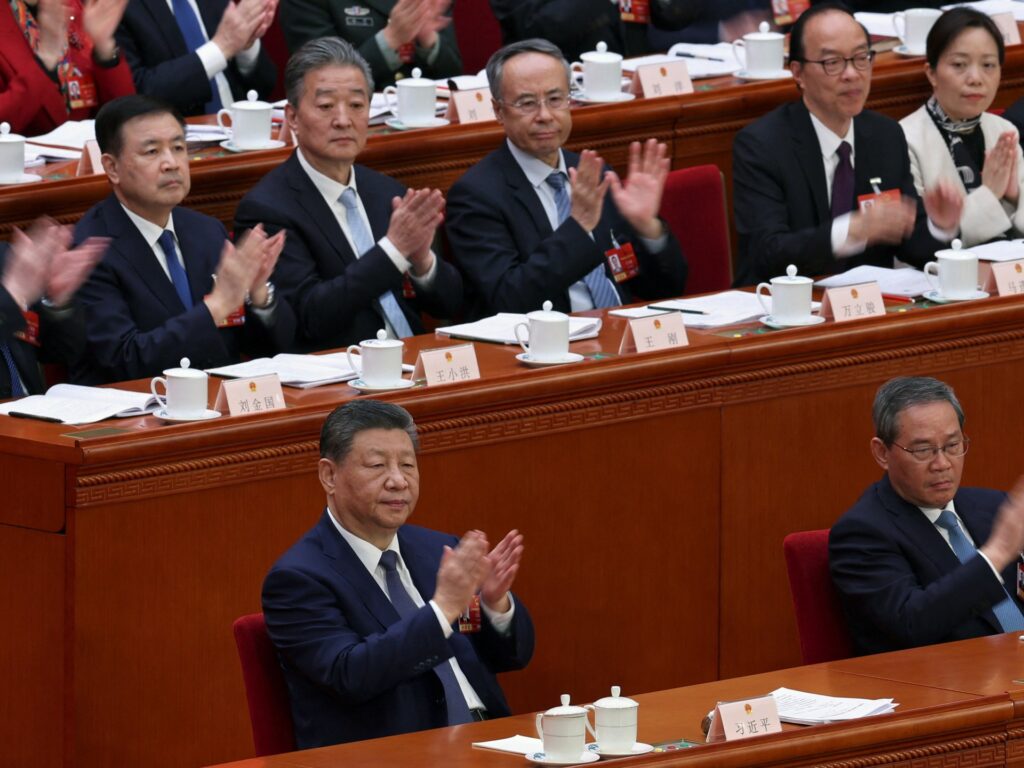
China’s National People’s Congress (NPC) has concluded its highly anticipated session, marking a pivotal moment in the nation’s policy direction as it sets a lower economic growth target alongside a renewed commitment to combating corruption. This year’s NPC meeting comes amidst global economic uncertainties and domestic challenges, prompting Beijing to adopt more cautious and pragmatic approaches.
The NPC, China’s top legislative body, approved the country’s 15th five-year plan, which outlines economic and social development goals through 2026. The plan emphasizes innovation-driven growth, sustainable development, and social welfare improvements while acknowledging the need for stability amid an evolving international landscape.
One of the key highlights of this year’s session was the announcement of a reduced GDP growth target compared to previous years. Analysts note that this adjustment reflects China’s shift from rapid expansion towards high-quality growth, prioritizing structural reforms and environmental goals over mere speed.
Alongside economic targets, the NPC underscored a firm stance against corruption, reiterating the government’s unwavering commitment to rooting out corruption at all levels of the party and government institutions. This message resonates strongly with the broader anti-corruption campaign initiated in recent years, which has been a cornerstone of political reform and public trust-building efforts.
The 15th five-year plan sets ambitious goals across various sectors including technology innovation, green energy adoption, rural revitalization, and social equity. It also aims to enhance China’s global competitiveness while balancing domestic demands for prosperity and ecological conservation.
Officials highlighted the importance of adapting to external risks such as geopolitical tensions, supply chain disruptions, and fluctuating global markets. They advocated for strengthened domestic consumption and increased self-reliance in critical technologies.
Environmental protection remains a strategic priority, with targets to reduce carbon emissions intensity and promote renewable energy integration into the national grid. These initiatives align with China’s commitment to achieving carbon neutrality by 2060.
Social policies within the plan focus on improving public health systems, expanding education access, and addressing inequalities, aiming to build a more inclusive society.
The NPC also reviewed and passed several key legislative measures designed to modernize China’s legal framework, enhance transparency, and support economic reforms.
In summary, the conclusion of the NPC session signals a pragmatic recalibration of China’s growth ambitions coupled with a steadfast dedication to governance integrity and sustainable development. Observers view the outcomes as indicative of China’s intent to secure long-term stability and prosperity while navigating the complexities of the current global environment.