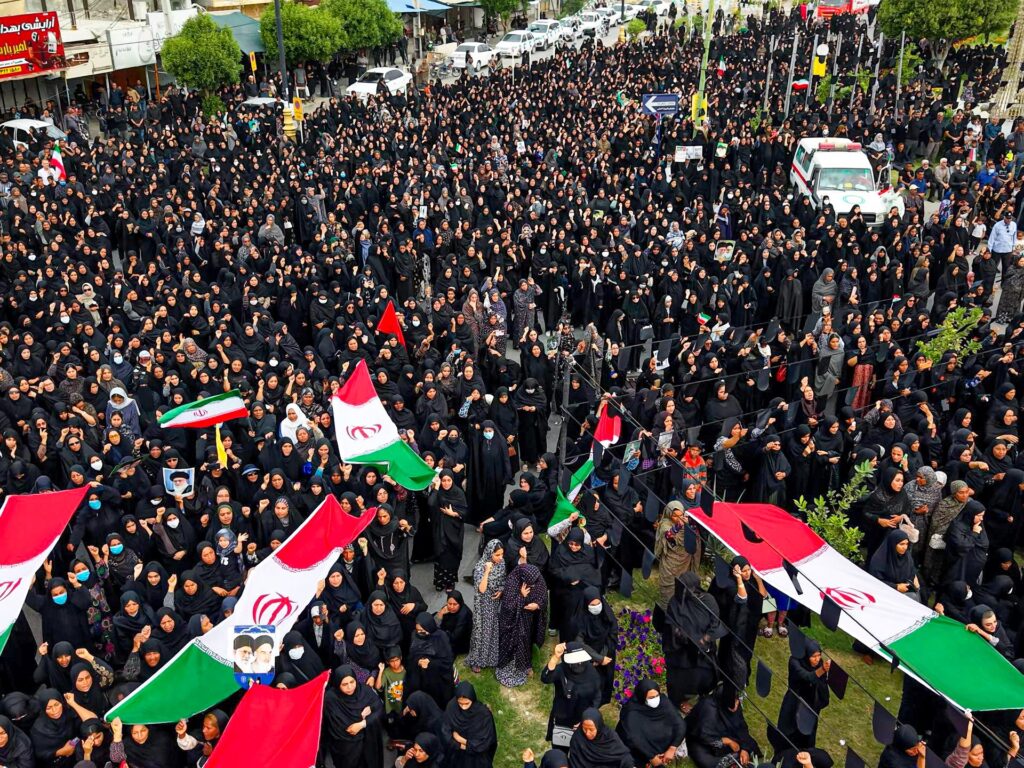
The recent bombing of a school in Iran, which has resulted in numerous fatalities and widespread outrage, has drawn significant attention from international communities and political leaders. Among the responses, former US President Donald Trump has made statements regarding the incident, denying any knowledge that the US military might have been involved in the deadly strike.
The tragedy unfolded when a warplane bombed a school in a residential area, causing devastating loss of life and injuries, including children and educators. The incident has led to calls within Iran and internationally for a thorough investigation to determine the responsible parties and to hold them accountable.
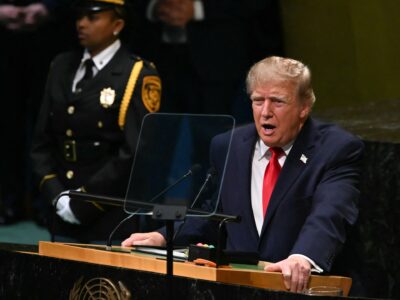
Despite mounting evidence and reports hinting at the possibility of US military involvement, Trump has firmly denied any such connection. During public addresses, he stated that he was unaware of any findings linking the US armed forces to the bombing, emphasizing that the military operates with high standards and wouldn’t undertake such actions without clear directives.
This denial has been met with skepticism by various analysts and officials who point towards intelligence sources and eyewitness accounts indicating otherwise. The calls for an independent probe have grown louder, with human rights organizations urging transparency and accountability to prevent further such tragedies.
Iranian officials have condemned the bombing, describing it as a war crime and demanding justice for the victims. These events have further strained the already tense relations between Iran and the United States, intensifying diplomatic discord and prompting discussions about the rules of engagement in conflict zones.
In response to the controversy, the US military has remained largely silent, refraining from confirming or denying any involvement in the bombing. This silence has only fueled speculation and increased pressure on the US government to clarify its role, if any, in the catastrophe.
Experts interpreting Trump’s statements suggest that his denial might be a strategic move to distance himself and the US from the incident while maintaining a strong stance against Iran. Politicians on both sides are using the situation to bolster their narratives, with some calling for heightened military readiness and others urging de-escalation.
The international community has expressed concern over the attack on a civilian institution, highlighting the need for adherence to international humanitarian laws. The United Nations and other global bodies have called for impartial investigations and for all parties involved in conflicts to respect the safety of non-combatants.
As the situation develops, it remains critical that credible investigations are conducted to ascertain the truth behind the bombing. The tragic loss of innocent lives demands accountability and serves as a solemn reminder of the devastating impacts of armed conflict on civilian populations.
In summary, Trump’s approach to the deadly Iran school bombing reflects a complex interplay of denial, political posturing, and the broader geopolitical tensions between the US and Iran. The incident has opened up a dialogue on military responsibility, international law, and the urgent need for peace and stability in the region.