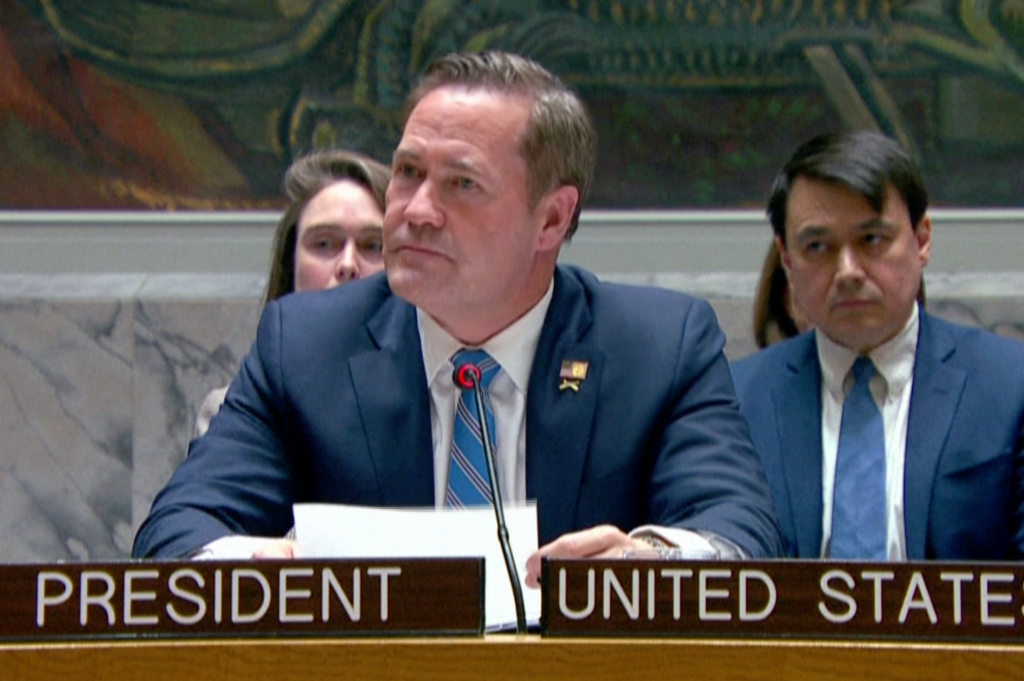
The United Nations Security Council has recently adopted a significant draft resolution put forward by the Gulf Cooperation Council (GCC) member states. This resolution calls on Iran to immediately halt its attacks on Gulf countries, reflecting heightened tensions and security concerns in the region.
The resolution marks a critical development in international efforts to address ongoing conflict and instability in the Gulf area. GCC nations, which include Bahrain, Kuwait, Oman, Qatar, Saudi Arabia, and the United Arab Emirates, have repeatedly raised alarms over security threats they attribute to Iranian activities.
Iran has often been accused by Gulf states and their allies of orchestrating or supporting attacks aimed at destabilizing the region. These include incidents involving maritime security, cross-border conflicts, and proxy engagements. The Security Council’s resolution aims to send a unified message from the international community condemning such actions and demanding an end to hostilities.
The adoption process involved intense diplomatic negotiations among Security Council members, reflecting the complex geopolitical landscape and the various interests at play. Despite differing perspectives among members, the resolution garnered sufficient support to pass, underscoring the importance of maintaining peace and security in the Gulf.
This move is also significant in the context of broader tensions between Iran and Western countries concerning nuclear development and regional influence. The resolution adds diplomatic pressure on Iran to reconsider its strategic approach and engage in peaceful dialogue.
Observers note that the resolution not only addresses immediate security concerns but also sets a precedent for future United Nations involvement in Gulf affairs. It highlights the role of the Security Council as a platform for resolving disputes and promoting stability in volatile regions.
The GCC’s initiative demonstrates the collective voice and solidarity of Gulf nations in confronting security challenges. It also signals their readiness to engage the international community to safeguard regional interests.
In response to the resolution, Iran has issued statements expressing disagreement and rejecting accusations, emphasizing its right to self-defense and regional presence. Analysts expect continued diplomatic exchanges and possibly further international discussions aimed at de-escalation.
The Security Council’s resolution is expected to have far-reaching implications for diplomacy, security operations, and international relations in the Gulf region. It will likely influence strategic calculations and policy decisions by regional and global actors alike.
In summary, the UN Security Council’s adoption of the GCC draft resolution represents a milestone in efforts to promote peace and stability in the Gulf. It calls upon Iran to cease attacks and highlights the urgent need for collaborative security measures to prevent further escalation.
This resolution underscores the importance of multilateral diplomacy in addressing complex regional conflicts and reinforces the global commitment to maintaining security in a strategically vital part of the world.