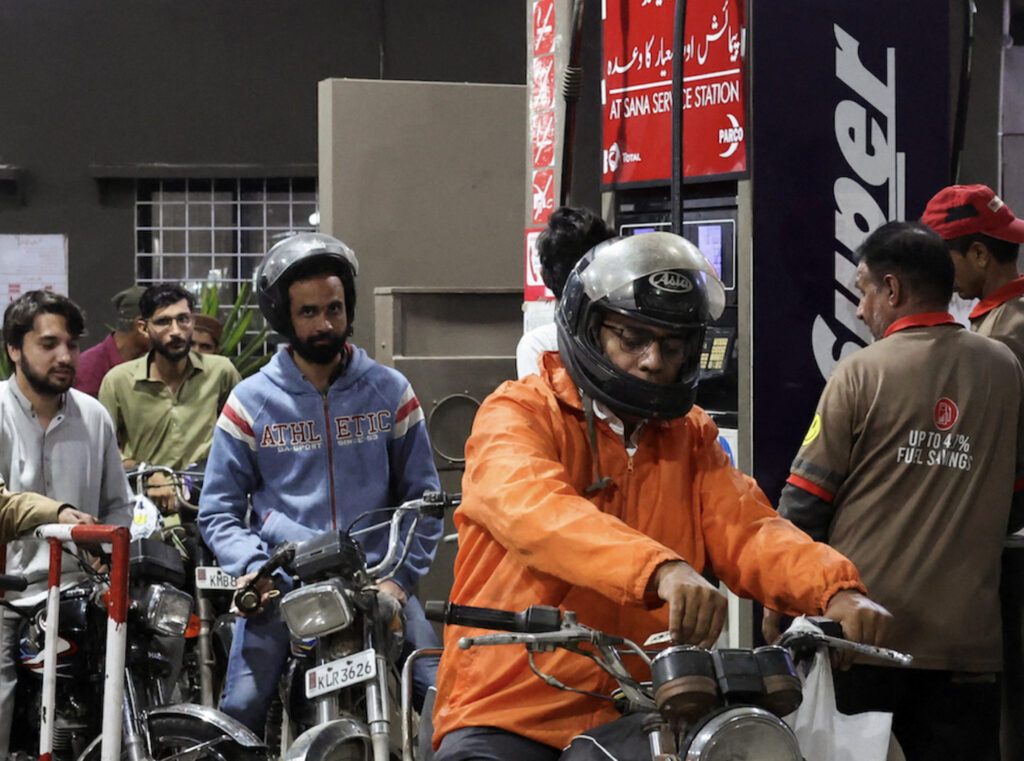
In Pakistan, a wave of panic swept through fuel stations across the country as long queues began forming in anticipation of an imminent government announcement to raise fuel prices. The anxiety among the population escalated due to ongoing tensions and conflict involving Iran, which is expected to disrupt fuel supply lines and lead to increased costs.
The crisis stems from the Iran war, which has heightened instability in the region. Iran, a major supplier of oil and fuel to neighboring countries including Pakistan, faces significant logistical challenges as the conflict intensifies. This disruption has triggered fears about fuel availability and affordability in Pakistan, known for its reliance on imported fuel resources.
As rumors and news of potential price hikes spread, consumers rushed to petrol stations hoping to stock up before the government officially raises prices. Long queues were reported in major cities as well as smaller towns, reflecting widespread concern among the public. Petrol pumps experienced unprecedented demand, with some outlets running low on fuel.
The Pakistani government is under pressure to balance economic stability with the need to manage fuel subsidies and import costs. Increasing fuel prices is seen as one option to alleviate the financial burden on the state’s budget but comes with the risk of public dissatisfaction and inflationary pressures on other goods and services.
Economic analysts suggest that the fuel price hike is inevitable given the deteriorating regional security situation and the resulting impact on supply chains. The Iran war complicates matters further by adding geopolitical uncertainty, which may lead to prolonged disruptions in fuel imports from the region.
In response to the crisis, authorities have urged calm and assured the public that measures are underway to mitigate the impact of fuel shortages. Alternative supply routes are being explored, and emergency stocks are being utilized to reduce immediate pressure on the market.
However, consumers remain apprehensive as they brace for the announced price increases. The fuel shortage panic highlights the vulnerability of Pakistan’s energy sector to regional conflicts and underscores the need for diversified energy sources and improved strategic reserves.
This development is a stark reminder of how geopolitical conflicts can ripple beyond borders, directly affecting everyday lives by impacting essential commodities like fuel. As the situation evolves, Pakistani citizens and the government alike are preparing for the economic challenges ahead in the wake of the Iran war’s fallout on the fuel market.