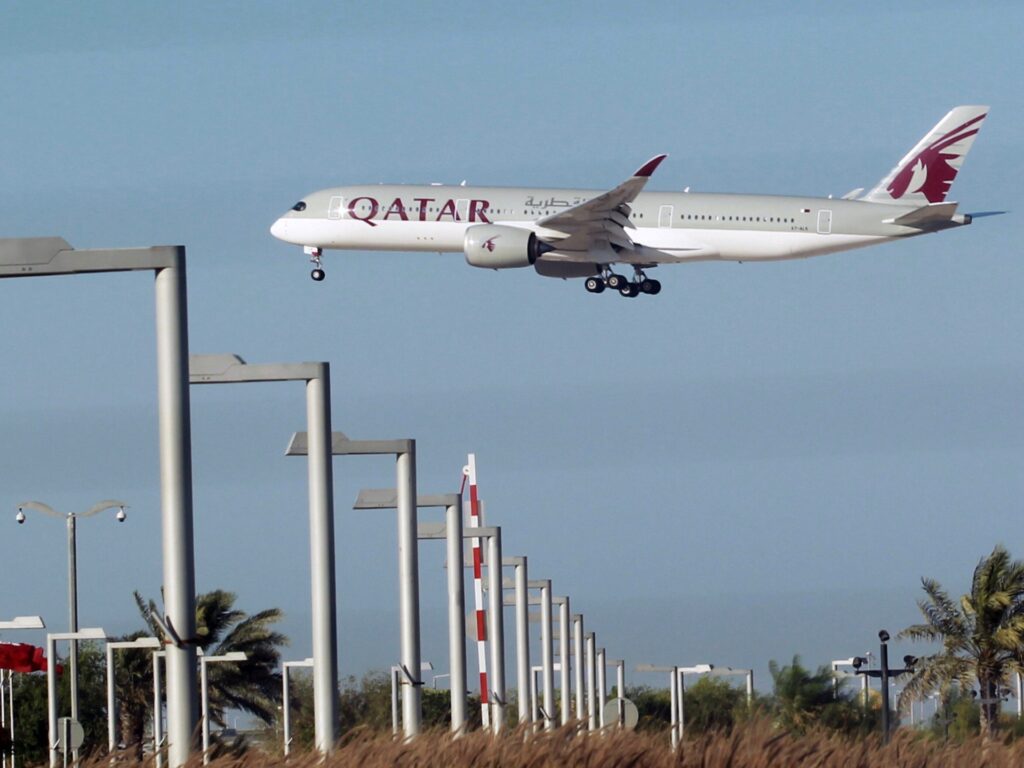
Qatar has taken a cautious step by partially reopening its airspace after a period of closure due to escalating tensions and security concerns related to the ongoing conflict involving Iran in the Gulf region. This move comes as Iranian missile strikes continue to target strategic locations in the Gulf, contributing to heightened regional instability.
The reopening of Qatar’s airspace specifically permits evacuation and cargo flights to operate once again, signaling a controlled resumption of essential air traffic. However, the country has maintained the suspension of all scheduled commercial passenger services as a precautionary measure to mitigate risks and ensure passenger safety amidst the continuing conflict.
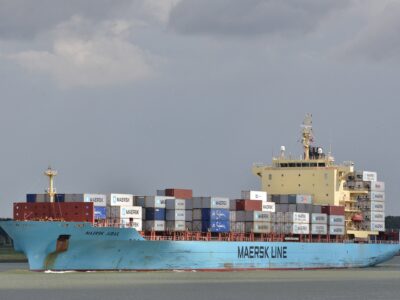
This partial airspace reopening reflects Qatar’s effort to balance vital logistical needs with the overarching imperative of national and regional security. Evacuation flights are crucial for relocating individuals from conflict zones or those affected by the ongoing military actions. Cargo flights play a pivotal role in sustaining supply chains, delivering humanitarian aid, and supporting economic stability in uncertain times.
The backdrop to this development is the intensifying US-Israeli war against Iran, which has seen a series of Iranian missile strikes escalating the conflict across the Gulf. These strikes have raised significant concerns regarding the safety of air travel and broader regional stability, compelling Gulf states like Qatar to take precautionary measures including closing and now cautiously reopening their air routes.
Regional experts note that the partial reopening is a temporary and closely monitored measure. Authorities remain vigilant to any changes in the security landscape, ready to adjust restrictions as necessary to respond to new threats or developments.
The conflict’s continuation implies ongoing risks for aviation and civilian movements in the Gulf, where strategic military actions intertwine with vital commercial and humanitarian activities. Qatar’s decision highlights the complexities faced by Gulf nations in managing airspace rights amid active military confrontations.
In summary, while Qatar cautiously reopens airspace for essential evacuation and cargo operations, the suspension of regular passenger flights underscores the persistent threat posed by Iranian missile activity and the broader geopolitical tensions in the region. Observers and stakeholders continue to watch closely as the situation evolves, aware that stability in the Gulf remains fragile amidst these challenging times.