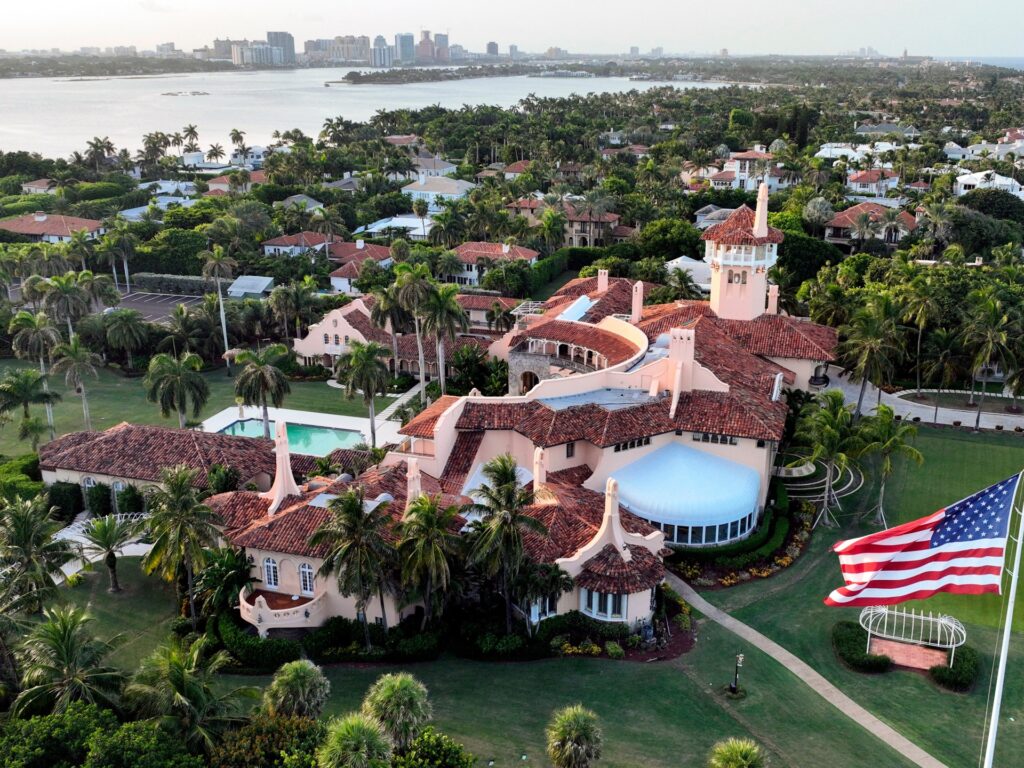
In a strategic move to counter China’s growing influence in Latin America, former U.S. President Donald Trump recently hosted a summit bringing together leaders from across the region. The summit aimed to strengthen ties between the United States and Latin American countries, focusing on economic collaboration, security partnerships, and shared values.
China’s increasing economic footprint in Latin America has prompted concerns in Washington, as Beijing has invested heavily in infrastructure projects, trade, and resource extraction. These developments have shifted some regional allegiances towards China, creating competition for the United States, historically the dominant power in the Western Hemisphere.
Experts analyzing the summit emphasize that for the U.S. to effectively counter China’s rising presence, it must go beyond rhetoric. The key, they argue, lies in offering Latin American countries tangible economic benefits that can compete with or surpass what China provides. This includes increased trade opportunities, direct investments, and development aid aligned with the needs and goals of local governments.
During the summit, Trump underscored the importance of fair trade deals, infrastructure development, and energy cooperation. He outlined proposals to expand U.S. market access for Latin American exports and pledged support for technological partnerships and educational exchange programs designed to foster long-term growth.
Observers note, however, that past attempts by the U.S. to engage Latin America have sometimes been criticized for not adequately addressing local concerns or for being overshadowed by political disagreements. To sustain the momentum from the summit, experts suggest a pragmatic approach that prioritizes economic empowerment and respects regional sovereignty.
The summit also included discussions on combating drug trafficking, organized crime, and promoting democratic governance, areas where cooperation between the U.S. and Latin America holds potential strategic benefits. Strengthening security ties aims to enhance stability, which is essential for attracting investment and fostering economic development.
China’s Belt and Road Initiative (BRI) has been pivotal in expanding its influence in Latin America, offering financing for infrastructure projects like ports, railways, and energy plants. These initiatives have significantly impacted economic growth and connectivity in the region, making China’s role deeply entrenched.
In response, the Trump administration plans to promote alternative infrastructure funding through multilateral development banks, private sector partnerships, and bilateral aid programs. The goal is to offer Latin America viable options that align with democratic values and transparent governance.
Economic experts highlight that for a lasting impact, the United States must tailor its approach to each country’s unique economic conditions and developmental priorities. Partnerships should focus on innovation, sustainability, and creating quality jobs that directly benefit local populations.
The regional leaders expressed cautious optimism about the summit outcomes but emphasized the need for concrete follow-through actions. Many underscored that engagement should be consistent, respectful, and responsive to Latin America’s evolving dynamics.
Looking ahead, the summit marks a significant step in reasserting the U.S. presence in Latin America at a time when geopolitical competition is intensifying. The coming months will be critical to see how the initiatives proposed translate into real-world benefits and whether they can effectively balance China’s competing influence.
In summary, Trump’s hosting of the Latin America summit represents a clear strategic effort to counter China’s expansion by fostering stronger U.S.-Latin America relations. Success depends largely on the United States delivering substantial economic incentives and creating authentic partnerships that respect regional aspirations.