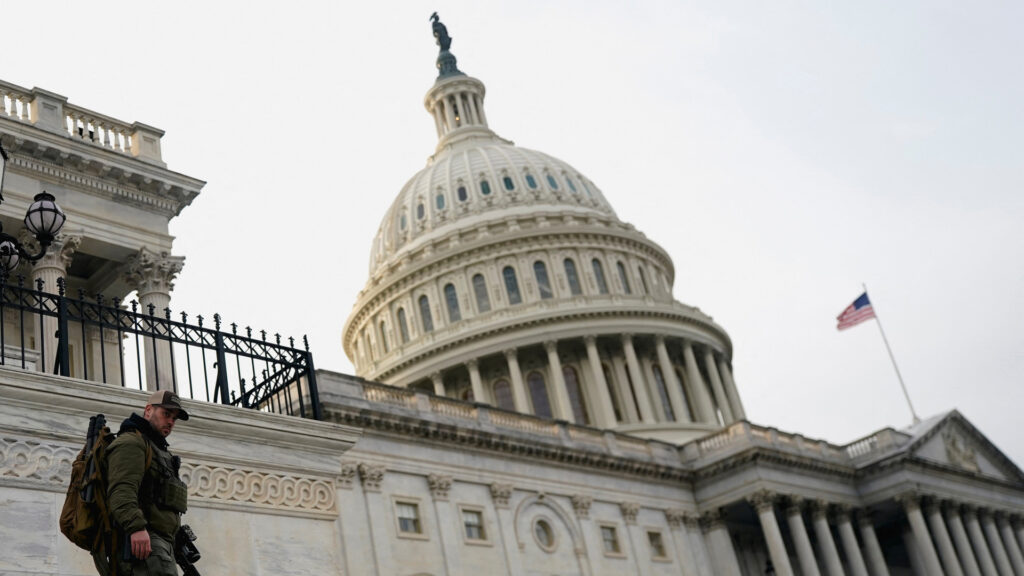
In a significant political development, the United States House of Representatives has joined the Senate in voting down a war powers resolution related to the ongoing conflict involving Iran. This decision marks a pivotal moment in the US legislative approach to military engagement and foreign policy.
The war powers resolution sought to define and possibly limit the executive branch’s authority to conduct military operations without explicit congressional approval. However, both chambers of Congress have collectively decided against adopting this resolution, reflecting a complex and divided stance on the issue of war powers and the use of military force.
The Senate initially set the precedent by voting down the resolution, and the House’s recent vote aligns with this outcome. This unified legislative front underscores the current political climate surrounding military interventions and congressional oversight.
Critics of the resolution argue that it could restrict the president’s ability to respond swiftly and effectively to emerging threats, particularly in volatile regions such as the Middle East. Supporters, on the other hand, contend that checks and balances are essential to prevent unchecked military action and uphold democratic accountability.
The context of this vote is deeply intertwined with recent tensions and conflict involving Iran, a country whose relations with the US have been fraught with long-standing geopolitical complexities. Lawmakers are weighing the implications of continued military engagement and the legal authority under which such actions are taken.
This joint rejection by both the House and Senate signals a reluctance to impose new legislative constraints on the president’s war powers, potentially allowing for greater executive flexibility in managing the conflict with Iran.
Observers note that this development may have significant implications for future US foreign policy and military strategy, especially in terms of Congressional-executive relations and the balance of power.
The decision also raises questions about the role of Congress in authorizing military action and the extent to which it should involve itself in operational decisions amid ongoing global tensions.
As the situation in Iran and the broader Middle East continues to evolve, the US government’s approach to war powers and military authority remains a critical issue, reflecting broader national and international concerns.
In conclusion, the US House’s decision to join the Senate in voting down the war powers resolution highlights ongoing debates over military oversight, executive authority, and the legislative branch’s responsibility in matters of war and peace. The ramifications of this vote will likely influence US foreign policy and congressional actions in the coming months and years.