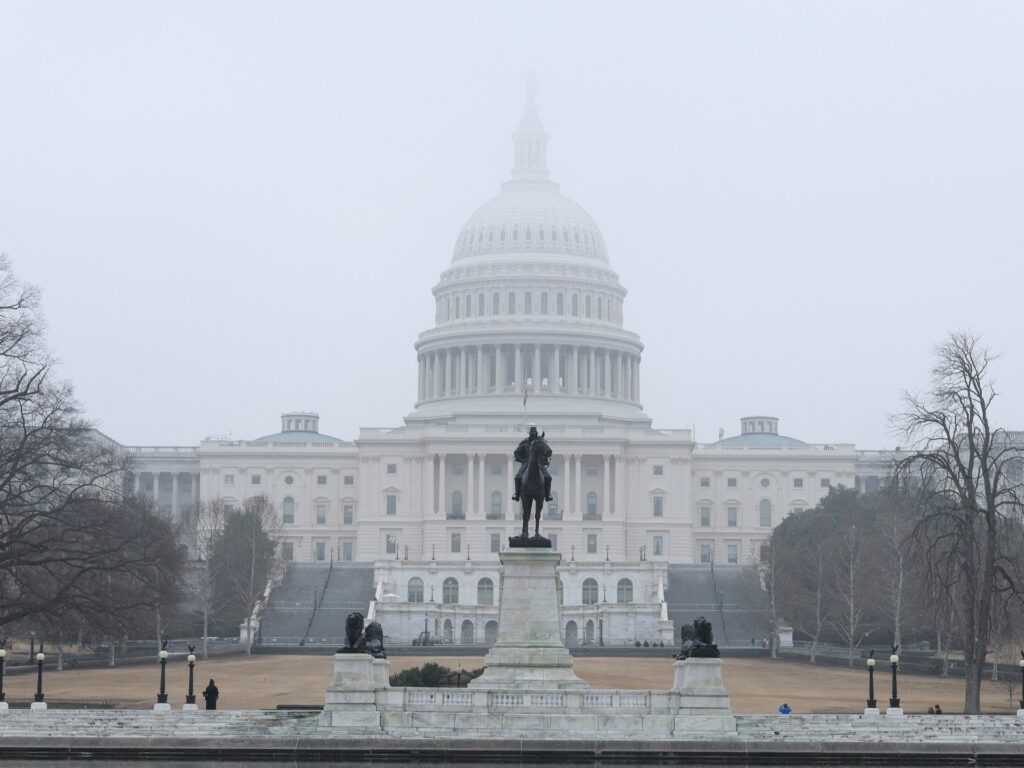
In a closely contested vote, the US House of Representatives narrowly rejected a resolution aimed at requiring Congressional approval for any further military action against Iran. The vote count was 219 against and 212 in favor, reflecting a deep divide among lawmakers. This resolution sought to curtail the executive branch’s authority to engage in military operations without explicit legislative consent, emphasizing the need for greater Congressional oversight on decisions that could lead the nation into conflict. The resolution emerged amid ongoing tensions between the United States and Iran, with concerns about potential military escalations heightened by recent developments in the region. Supporters of the resolution argued that it was essential to reassert the constitutional role of Congress in matters of war and peace, ensuring that such significant decisions are subject to democratic debate and approval. Opponents, however, contended that restricting the President’s ability to act swiftly in defense of national security interests could compromise the country’s strategic position and response capabilities. This vote highlights the persistent debate in American politics over the balance of power between the legislative and executive branches in conducting foreign policy and military strategy. The decision leaves the current policy toward Iran unchanged, allowing the executive branch to continue its approach without additional Congressional restrictions at this time. This outcome has sparked responses from various political figures and analysts, reflecting the broader discourse on US involvement in Middle Eastern conflicts and the mechanisms of governmental authority. As tensions remain high in the region, the issue of military engagement with Iran continues to be a significant topic of concern and discussion within the US government and among the public.