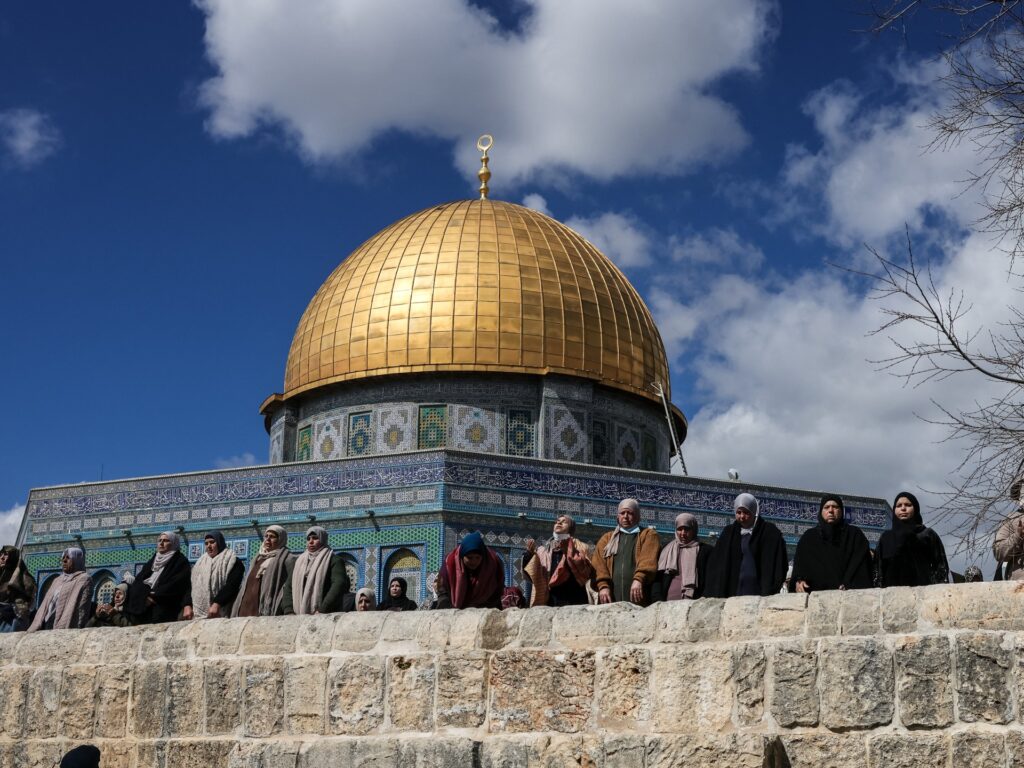
In a significant development amid escalating tensions in the Middle East, Israeli authorities have announced the cancellation of Friday prayers at the Al-Aqsa Mosque, a sacred site in Jerusalem revered by Muslims worldwide. This decision includes closing the mosque to worshippers and visitors of all faiths for Friday services, marking a rare and highly impactful move.
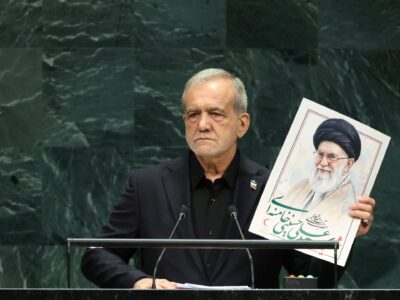
The closure comes amid the spread of conflict related to the ongoing issues involving Iran, a major player in the region’s geopolitics. The authorities cited security concerns and the potential for violence as the primary reasons behind the unprecedented closure. Al-Aqsa Mosque, located in East Jerusalem, holds profound religious significance for Muslims and has historically been a flashpoint during periods of political and religious tension.
This cancellation disrupts the regular religious activities at one of Islam’s holiest sites and reflects the severity of the current security environment. The Friday prayers typically attract thousands of worshippers, making it a pivotal moment for community gathering and religious expression. The decision underscores the government’s concerns about possible escalations linked to the wider regional conflict.
Experts note that this move could further inflame sentiments among Palestinians and Muslims globally, given the symbolic importance of Al-Aqsa in Islamic heritage and Palestinian identity. The closure also affects visitors of all faiths, emphasizing the seriousness of the situation and the challenges in maintaining access and safety for diverse groups.
The broader conflict involving Iran has seen increased hostilities and proxy confrontations across the Middle East, with implications for regional stability and international diplomatic efforts. Israel’s decision to close such a central religious site highlights the interconnectedness of religious reverence and geopolitical strife in the region.
Authorities have not yet specified how long the closure will last or what conditions might lead to the mosque’s reopening for worshippers and visitors. Meanwhile, regional leaders and international bodies are likely to monitor the situation closely, recognizing the potential for the closure to impact wider diplomatic relations and peace efforts.
In light of this development, it is essential to watch the responses from various stakeholders, including Palestinian authorities, religious groups, and the global community. The Al-Aqsa Mosque closure amid the Iran-linked conflict marks a pivotal moment that could shape the trajectory of regional dynamics and the peace process in the Middle East.