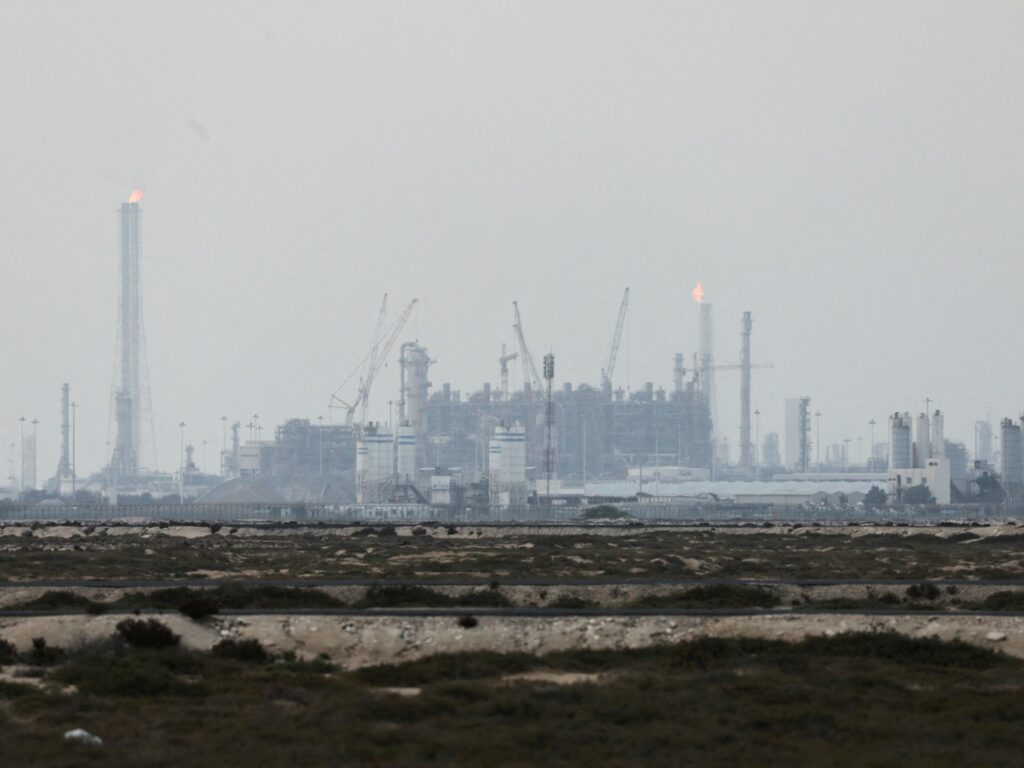
The ongoing conflict involving Iran has precipitated an oil crisis, primarily due to attacks on vital energy infrastructure in the Gulf region and disruptions in the strategically significant Strait of Hormuz. This crisis has profound implications for global energy markets, with Western exporters, particularly the United States, positioned to potentially benefit from the turmoil.
The Strait of Hormuz is a critical chokepoint, through which a substantial percentage of the world’s oil supply passes. Any disturbance here tends to spike oil prices due to fears of supply shortages. The recent attacks on oil facilities and vessels have heightened these concerns, causing market volatility and a surge in crude prices.
For the United States, a major player in the global oil market, this situation presents a dual-edged sword. On one hand, higher oil prices can lead to increased revenues for American oil producers, particularly those engaged in shale oil production. This can invigorate domestic energy sectors, support job creation, and bolster the national economy. Moreover, as Western exporters face constraints or reduced competition from Iran, the US may capture a larger share of global oil exports.
However, the benefits are not without complications. Elevated oil prices translate directly into higher gasoline and energy costs for American consumers, potentially slowing economic growth and increasing inflationary pressures. The US economy, while benefiting from higher oil export revenues, might simultaneously confront challenges related to increased production costs and consumer prices.
Geopolitically, the crisis implicates the US’s strategic interests in the Middle East. Protecting supply routes and maintaining stability in energy markets are critical objectives. Increased reliance on American oil production could shift global energy dynamics, potentially reducing dependence on the Middle East over time. Still, an extended conflict risks broader instability, which could offset gains made from higher export revenues.
In conclusion, while the US is positioned to gain economically from the oil crisis sparked by heightened tensions with Iran, these benefits come with significant economic and geopolitical risks. The delicate balance between capitalizing on market opportunities and mitigating negative impacts on the domestic economy and international stability will define the US’s trajectory amidst this crisis.