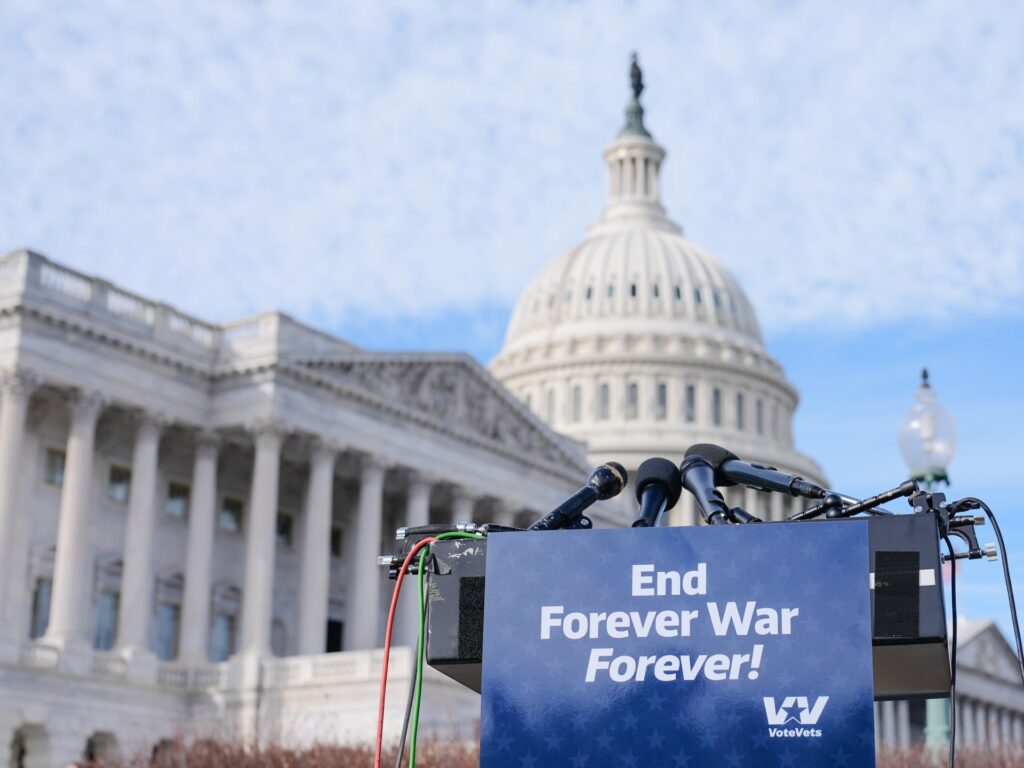
US Democrats have voiced concerns that Iran is more likely to increase troop deployment in the region ahead of the upcoming vote on a war powers resolution. This resolution aims to restrict former President Donald Trump’s ability to unilaterally engage the US military in conflict, an effort to place checks on executive war-making powers. The resolution faces significant challenges in Congress, with many predicting it will be vetoed if it passes.
The war powers resolution is part of broader legislative attempts to reassert Congressional authority over decisions about military engagement. Democrats argue that recent administration actions and previous military operations have bypassed Congress’s constitutional role in declaring and overseeing war.
Iran’s troop movements have escalated tensions in the Middle East, particularly in areas where US forces are present. Democrats believe that without clear Congressional oversight, the risks of unforeseen conflicts may increase, potentially drawing the US deeper into military engagements.
The resolution seeks to curtail the Trump administration’s previously unchecked capabilities to deploy troops without explicit Congressional approval. This move follows concerns over the use of military force in various international incidents under the prior administration.
Critics of the resolution caution that limiting executive powers could hinder the government’s ability to respond swiftly to emerging threats. However, supporters insist that Congressional oversight is essential to prevent misuse of military power and to maintain democratic accountability.
The vote on the resolution is expected to be highly partisan, with Republicans generally opposing it, citing national security concerns and the need for agility in military operations. The anticipated veto by President Trump, should the resolution pass, underscores the ongoing struggle between the executive and legislative branches over war-making authority.
In the meantime, the increased likelihood of Iranian troop deployment is causing heightened concern among lawmakers and military officials. This development could further complicate the geopolitical situation and influence the global strategic balance.
The debate reflects broader issues about the scope of presidential power in foreign policy and military affairs. As the situation unfolds, the US Congress faces a critical decision on how to balance swift action with constitutional safeguards.
Ultimately, the upcoming vote represents more than a policy choice; it is a test of the US political system’s mechanisms for war powers and its ability to adapt to evolving international challenges while upholding democratic principles.