Tensions in the Middle East have escalated significantly as the US consulate in Dubai was reportedly hit amidst ongoing military actions involving the US, Israel, Iran, and Lebanon. This latest development comes amid a series of intensified strikes and counterstrikes, severely impacting regional stability and vital oil flows.
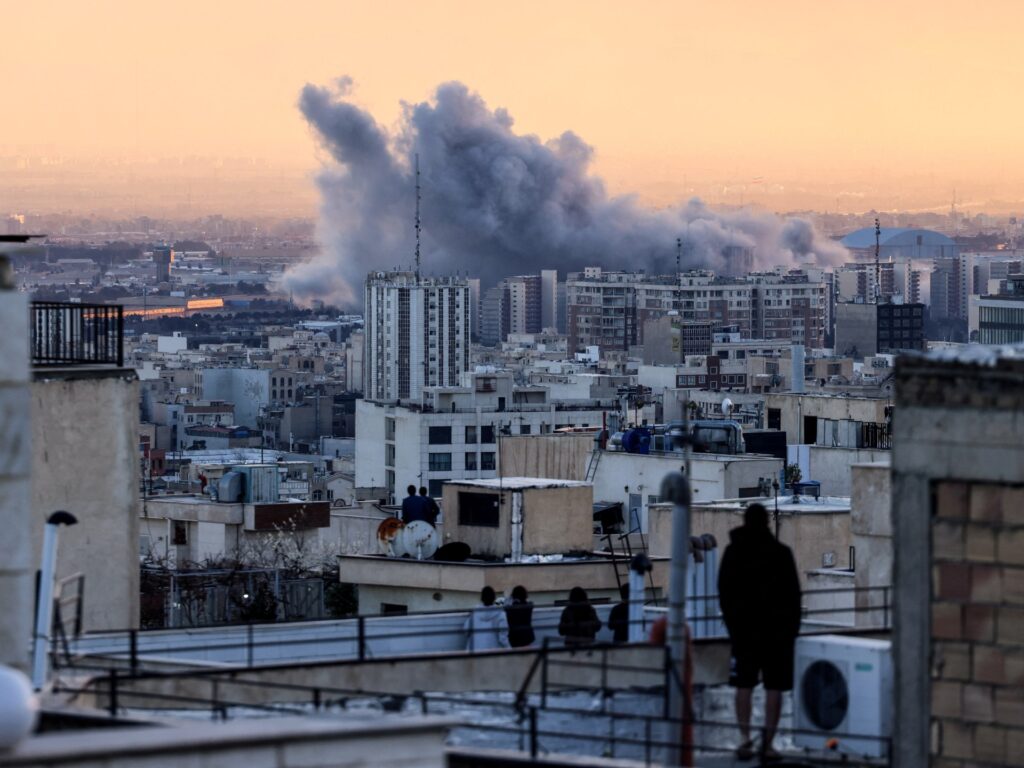
The US and Israel have ramped up their military operations targeting strategic locations in Iran and Lebanon. These strikes are part of a broader campaign aimed at curbing militant activities and diminishing Iran’s influence in the region. Reports indicate coordinated air raids and missile launches focusing on key infrastructure and military assets.
In retaliation, Tehran has launched counterstrikes that have disrupted critical oil transportation routes, further complicating an already volatile situation. These counterattacks have targeted oil facilities and shipping lanes, raising global concerns about the security of energy supplies.
The attack on the US consulate in Dubai signals an alarming escalation, suggesting that the conflict may be expanding beyond the primary combat zones. Dubai, a major commercial hub in the Gulf region, holds significant strategic value for international diplomacy and trade.
The situation remains fluid as both sides continue their offensive and defensive maneuvers. The US has condemned the consulate attack and vowed to respond decisively, while Israel maintains its focus on degrading Iran’s military capabilities.
Lebanon, caught in the crossfire, faces increasing instability as Israeli strikes target Hezbollah strongholds, intensifying internal pressures and humanitarian concerns. The Lebanese government has called for international intervention to prevent further escalation.
Global markets have reacted nervously to the disruptions in oil flows, with crude prices experiencing volatility. Energy analysts warn that prolonged conflict could lead to sustained supply shortages and increased prices worldwide.
Diplomatic efforts to de-escalate the crisis are underway, with international actors urging restraint and dialogue. However, the entrenched hostilities and recent attacks suggest that a resolution may not be imminent.
This unfolding conflict underscores the fragile geopolitics of the Middle East, where local disputes rapidly gain international dimensions, influencing global security and economic landscapes. Observers caution that without effective mediation, the region risks descending into broader warfare with far-reaching consequences.