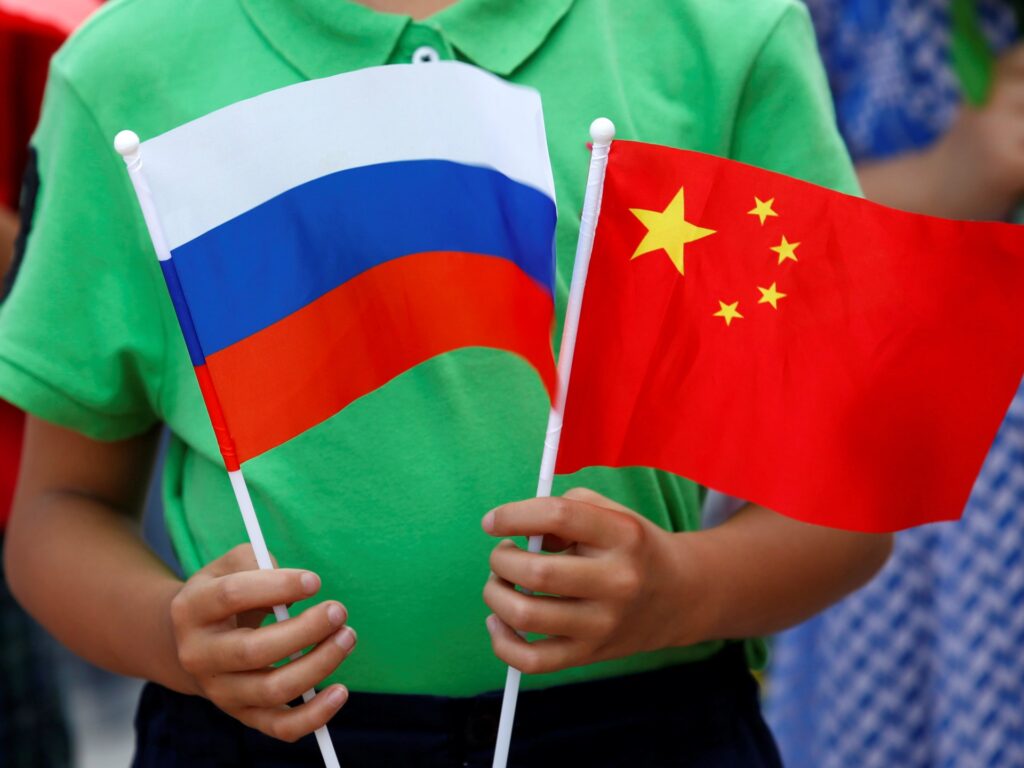
In a growing wave of diplomatic protests, Russia and China have jointly raised their voices against the recent US-Israeli attacks on Iran, condemning the military actions and calling for restraint. China’s Foreign Minister has explicitly urged Israel to halt its attacks on Iranian targets, signaling Beijing’s firm opposition to the escalation of tensions in the Middle East. This statement came in the wake of increased hostilities and military strikes that have heightened concerns about regional stability and the potential for wider conflict.
Simultaneously, Russian Foreign Minister Sergey Lavrov provided a diplomatic perspective on the issue of Iran’s nuclear ambitions. Lavrov stated that there is no credible evidence to suggest that Tehran is actively seeking to develop a nuclear bomb, thereby challenging some of the primary justifications used by the US and Israel for their aggressive measures against Iran. His remarks reflect Russia’s more cautious approach toward the Iran nuclear issue, emphasizing diplomacy over confrontation.
The tensions between Iran and the US-Israeli alliance have escalated in recent months, with a series of military attacks, cyber incidents, and diplomatic clashes marking the increasingly fraught relationship. Israel has repeatedly accused Iran of destabilizing the region through its support of proxy militias and alleged covert nuclear development, while the US has echoed these concerns with calls for a tougher stance on Tehran.
However, the unified diplomatic objection from Russia and China potentially signals a shift in geopolitical alignments and highlights growing fractures within the global discourse on Iran. Both Russia and China have significant economic and strategic ties with Iran, which influences their moderate calls for de-escalation and respect for Iranian sovereignty.
The international community is watching closely as these strong diplomatic voices from Russia and China emerge, seeking a peaceful resolution to the ongoing conflict. Analysts suggest that their intervention might encourage renewed dialogue and deter further military actions by the US-Israeli coalition.
This stance by Russia and China is part of a wider trend of advocating for multilateral diplomacy to address security issues. By opposing unilateral military actions, these countries emphasize the importance of international law and existing agreements aimed at non-proliferation and regional peace.
The US and Israel have yet to formally respond to the recent statements from Moscow and Beijing, but the diplomatic pressure indicates an increasing challenge to their approach towards Iran. As the situation develops, the role of these major global players could prove crucial in either preventing further escalation or inadvertently deepening the conflict.
In conclusion, the diplomatic voices of Russia and China against US-Israeli attacks mark an important moment in the international approach to Iran. Their calls for restraint and dialogue contrast strongly with the aggressive military actions on the ground and may shape the future dynamics of Middle Eastern geopolitics and global security architecture.