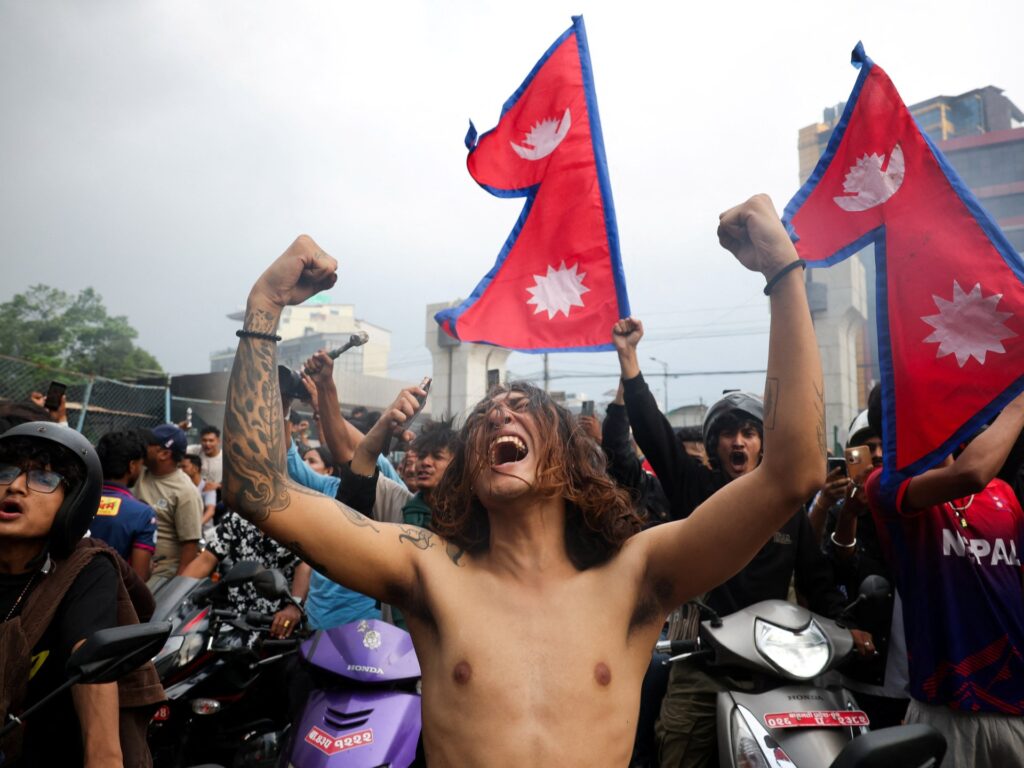
Nepal’s political landscape is witnessing a generational shift as the country’s Gen Z population, driven by frustration with traditional political parties, is now at the center of a pivotal election cycle. Last year’s widespread protests highlighted a significant disillusionment among young people towards the established political order, signaling a call for change that could potentially reshape Nepal’s governance.
The protests, marked by millions of young voices, were not just mere demonstrations but an expression of a broader dissatisfaction with corruption, inefficiency, and unfulfilled promises that have plagued Nepal’s political parties for decades. This demographic, born roughly between the mid-1990s and early 2010s, has grown up in a Nepal that is vastly different from previous generations, with greater access to information, education, and global perspectives.
Historically, Nepal’s political scene has been dominated by a few major parties which have struggled to address critical issues such as youth unemployment, climate change, and social equity. Generation Z’s active involvement in protests reflects their demand for accountability and a more participatory political process.
As elections approach, these young voters are poised to be a decisive force. However, the dilemma remains: will Gen Z choose to support the old parties they previously rejected, or will this unleash an opportunity for new political entities and reformists to gain ground?
The traditional parties have started to recognize this shift, attempting to rejuvenate their image by incorporating youth leaders and promising reforms targeted at younger voters’ concerns. Yet, skepticism persists among the youth, many of whom view these changes as superficial or politically motivated.
Meanwhile, new political movements and independent candidates that emerged from the protests are gaining attention. These groups emphasize transparency, digital engagement, and policies centered on progressive ideals that resonate with the younger demographic.
Experts suggest that the outcome of this election could either validate the youth’s demand for change or entrench the status quo further. The critical question remains whether Gen Z’s engagement will translate into votes or if disillusionment will lead to voter apathy.
International observers are closely watching Nepal’s election, as it may serve as a case study for youth-driven political transformations in similar developing democracies.
In conclusion, Nepal’s Gen Z has already demonstrated its power by challenging old political conventions through protest. The upcoming election represents their next big test: deciding if they will continue to challenge the system from outside or become the change makers on the inside, influencing the country’s political future directly.