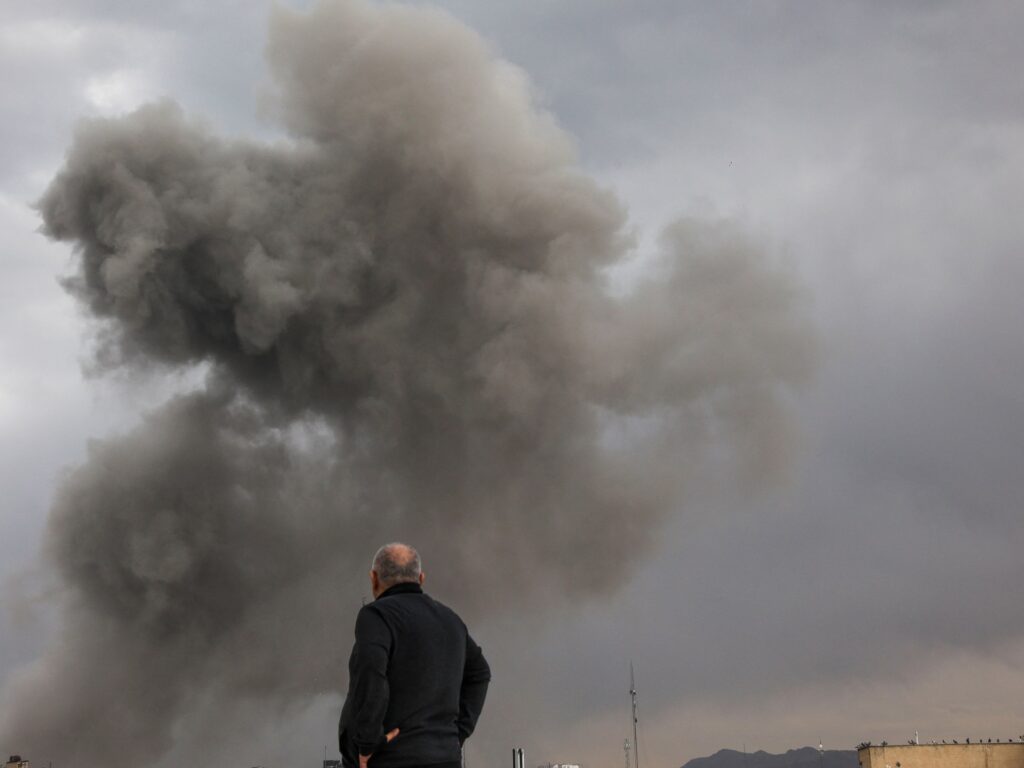
The Middle East is witnessing a sharp escalation in hostilities as Israel has launched airstrikes targeting Tehran, the capital of Iran, and Beirut, the capital of Lebanon. This development has intensified already heightened tensions in the region.
Concurrently, Iran has retaliated by striking energy infrastructure across the Gulf, demonstrating its capability and willingness to respond robustly to perceived aggression. Iran’s Islamic Revolutionary Guard Corps (IRGC) has officially announced the closure of the Strait of Hormuz, a critical chokepoint for global oil shipments, further escalating the crisis.
The closure of the Strait of Hormuz is a significant move as approximately one-fifth of the world’s petroleum passes through this narrow waterway. The action threatens to disrupt international energy supplies and could lead to considerable increases in global oil prices, impacting economies worldwide.
Israel’s strikes on Tehran mark a rare and significant escalation in direct targeting within Iran’s territory. The attacks in Beirut add to the complexity given Lebanon’s close ties with Iran, especially through Hezbollah, the Iran-backed militant group that plays a central role in Lebanese politics and regional security dynamics.
The series of attacks have raised urgent international concerns about stability in the Gulf region. Several countries and international organizations have called for restraint and the initiation of diplomatic efforts to de-escalate tensions.
Iran’s strikes on energy installations suggest strategic targeting aimed at undermining adversary energy operations and pressuring international stakeholders. This could lead to further retaliatory measures by involved parties and exacerbate the risk of a broader regional conflict.
The situation remains fluid, with both Israel and Iran indicating readiness for continued actions depending on the development of events. The international community is closely monitoring the region to respond swiftly to prevent a wider conflagration.
Economic markets, especially global oil markets, are reacting strongly. The closure of the Strait of Hormuz has caused immediate spikes in oil prices, and uncertainty looms over the sustainability of energy supply chains.
Humanitarian concerns also arise due to the potential for escalation in urban centers like Tehran and Beirut, which could see significant civilian casualties and displacement if conflict continues to intensify.
Efforts for mediation have been suggested by various states and alliances aiming to open channels for dialogue between the conflicting parties. The United Nations and other global bodies emphasize the urgent need for peace and stability in the region.
This unprecedented sequence of events underscores the volatility of the Middle East and the fragility of regional peace. The international community is urged to focus efforts on preventing further military escalation and fostering conditions conducive to negotiation and conflict resolution.