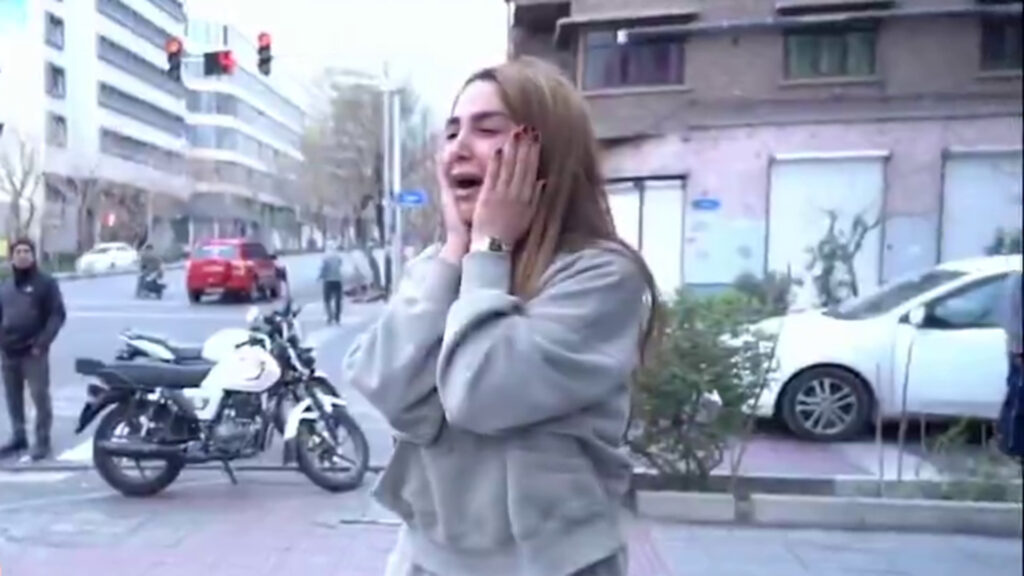
In a harrowing account from Tehran, a witness has detailed what they describe as a coordinated ‘double-tap’ bombing strike allegedly carried out by Israeli and US forces. According to the testimony, initial explosions devastated parts of downtown Tehran, targeting civilian areas. As emergency responders and bystanders rushed to assist survivors and tend to the wounded, a second round of airstrikes reportedly struck the same areas, complicating rescue efforts and increasing casualties.
The first bombings caused widespread panic, destruction of infrastructure, and numerous injuries and fatalities among the civilian population. Shortly after, as rescue teams mobilized amidst the chaos, the second wave of bombings seemed to deliberately hit the tenders, raising accusations of a tactic known as a ‘double-tap’ strike – where a second attack targets rescuers and those aiding victims of an earlier strike.
Eyewitnesses narrate scenes of devastation, with wounded civilians and emergency responders caught in the follow-up blasts. Hospitals in Tehran have been overwhelmed, treating a surge of injured people while struggling with the ongoing security risks posed by the continuing attacks.
International reactions have been swift, with human rights organizations condemning the alleged strikes for targeting civilian populations and emergency responders, which violates international humanitarian laws. The incident has escalated tensions in the region and brought into focus the repercussions of military actions that heavily impact non-combatants.
The alleged strikes reportedly took place amid heightened geopolitical tensions in the Middle East, with both Israel and the US denying involvement in attacks on Tehran. However, the witness accounts and independent sources urge a thorough investigation into the matter to ensure accountability and prevent further civilian harm.
Analysts note that the use of ‘double-tap’ strikes, if confirmed, represents a disturbing tactical decision with severe humanitarian consequences. Such tactics not only cause immediate casualties but also instill widespread fear and hinder emergency response capabilities, risking further loss of life.
As Tehran continues to grapple with the aftermath, calls for international intervention and condemnation persist, urging all parties to adhere to the rules of war and protect civilian lives and infrastructure.
This incident adds to the longstanding conflict dynamics in the region, highlighting the urgent need for diplomatic efforts to de-escalate tensions and prevent future attacks that devastate innocent populations.
Authorities in Tehran have launched investigations and are coordinating with international bodies to document the events, while medical teams and humanitarian aid organizations remain on high alert to support affected communities.
The situation remains fluid, with local officials urging calm and resilience as the city recovers from the unprecedented assault on its downtown heart, a stark reminder of the human cost of geopolitical conflicts.