Iran has issued a stern warning stating it will attack any ship attempting to pass through the Strait of Hormuz. Ebrahim Jabari, a senior adviser to the commander-in-chief of the Islamic Revolutionary Guard Corps (IRGC), emphasized that the Strait of Hormuz is considered ‘closed’ by Iran.
The Strait of Hormuz is a strategic waterway that serves as a critical passage for global oil shipments, making it a focal point of geopolitical tensions in the region. Iran’s declaration heightens existing concerns over the security and freedom of navigation in the strait.
Jabari’s remarks come amid escalating tensions in the Middle East, where Iran has previously threatened to disrupt maritime traffic in response to sanctions and military activities perceived as hostile. This announcement could have significant impacts on international shipping routes and global oil markets.
The Iranian position asserts sovereignty and control over the Strait, which lies between the Persian Gulf and the Gulf of Oman, a narrow passage critical to one of the world’s most significant energy transit zones. Approximately 20% of the world’s petroleum passes through this passage, highlighting its importance.
International reactions to Iran’s threat have been mixed, with some nations condemning the statement as provocative, while others urge diplomatic efforts to de-escalate the situation. The potential for conflict in the Strait of Hormuz raises alarms for global economic stability and regional security.
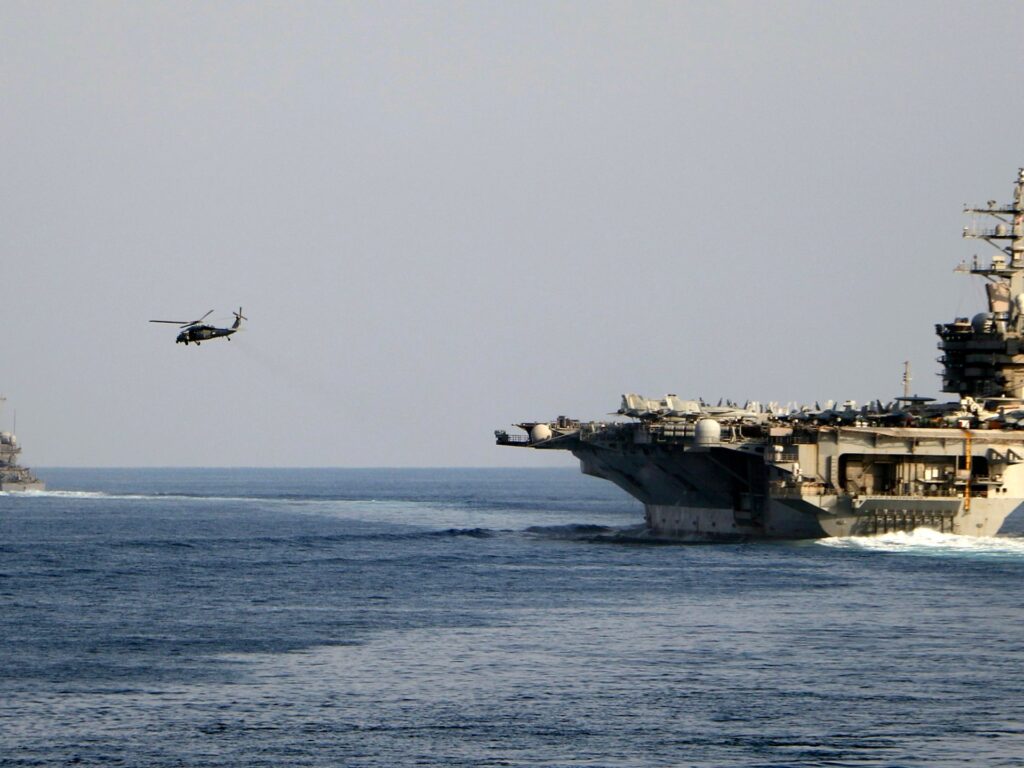
The US and its allies have maintained a naval presence in the region to ensure open navigation and security, further complicating the geopolitical landscape. Iran’s warning challenges the concept of international maritime law, which guarantees freedom of passage.
This development is likely to escalate tensions further between Iran and countries reliant on secure oil transit through the Strait. Observers warn that any military actions in this strategic chokepoint could lead to broader conflict, affecting energy prices and international relations worldwide.
In summary, Iran’s declaration to attack any ship attempting to transit the Strait of Hormuz signifies a critical moment in Middle Eastern geopolitics. The international community faces the challenge of balancing security interests, economic imperatives, and diplomatic engagement to prevent conflict in this vital maritime corridor.