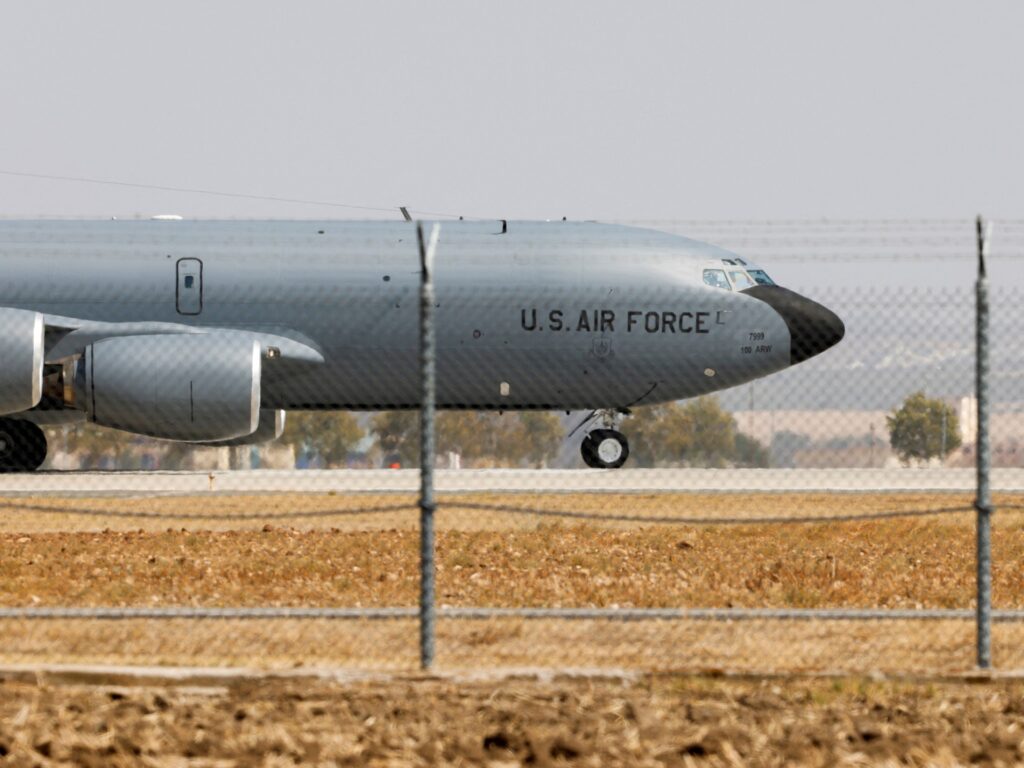
In a significant diplomatic stance, Spanish Prime Minister Pedro Sanchez has publicly condemned the recent strikes on Iran carried out by the United States and Israel. Following these condemnations, Spain has firmly refused to allow the US to use its military bases for launching attacks on Iran. This decision highlights Spain’s position on the escalating tensions in the Middle East and underscores its commitment to a diplomatic approach rather than military confrontation.
Prime Minister Sanchez’s condemnation comes amid growing international concern over the conflict in the region. The US and Israel have carried out airstrikes targeting Iranian positions, which they describe as necessary measures against threats posed by Iran. However, Spain’s refusal to provide logistical support through its bases marks a clear message of dissent against these actions.
Spain’s stance reflects a broader European hesitation to become directly involved in military operations against Iran. The European Union has consistently advocated for dialogue and diplomatic solutions to resolve conflicts in the Middle East. By denying the use of its bases, Spain is aligning with this diplomatic approach and signaling its unwillingness to support military escalation.
This development could have implications for US strategic planning in the region, as the use of allied bases is often crucial for operational logistics. Spain’s decision might encourage other countries in Europe to reconsider their positions, potentially limiting the US’s operational flexibility in the Middle East.
The situation illustrates the complexities of international alliances where countries may have conflicting approaches to foreign policy and military engagement. Spain’s move is seen by many analysts as an effort to maintain regional stability and avoid further escalation that could lead to wider conflict.
In addition to the political ramifications, Spain’s refusal highlights internal public opinion within the country. Many Spanish citizens and political groups oppose involvement in foreign military operations, particularly in the volatile Middle East. This public sentiment likely influenced the government’s decision and emphasizes the role of domestic politics in shaping international policy.
The ongoing conflict between the US, Israel, and Iran remains a critical issue in global geopolitics. Spain’s condemnation and refusal to support military action through its bases add a new dimension to the international response, demonstrating the challenges of achieving consensus among allied nations.
As tensions continue, the international community watches closely to see how other countries will respond and whether diplomatic efforts can prevail over military options. Spain’s decision could pave the way for renewed calls for peaceful negotiation and de-escalation in the region.
In conclusion, Spain’s refusal to permit the US to use its bases for attacks on Iran, coupled with Prime Minister Pedro Sanchez’s strong condemnation of US and Israeli strikes, marks a pivotal moment in the international discourse on Middle Eastern security. It underscores the country’s dedication to diplomacy and signals potential shifts in alliance dynamics amid ongoing regional tensions.