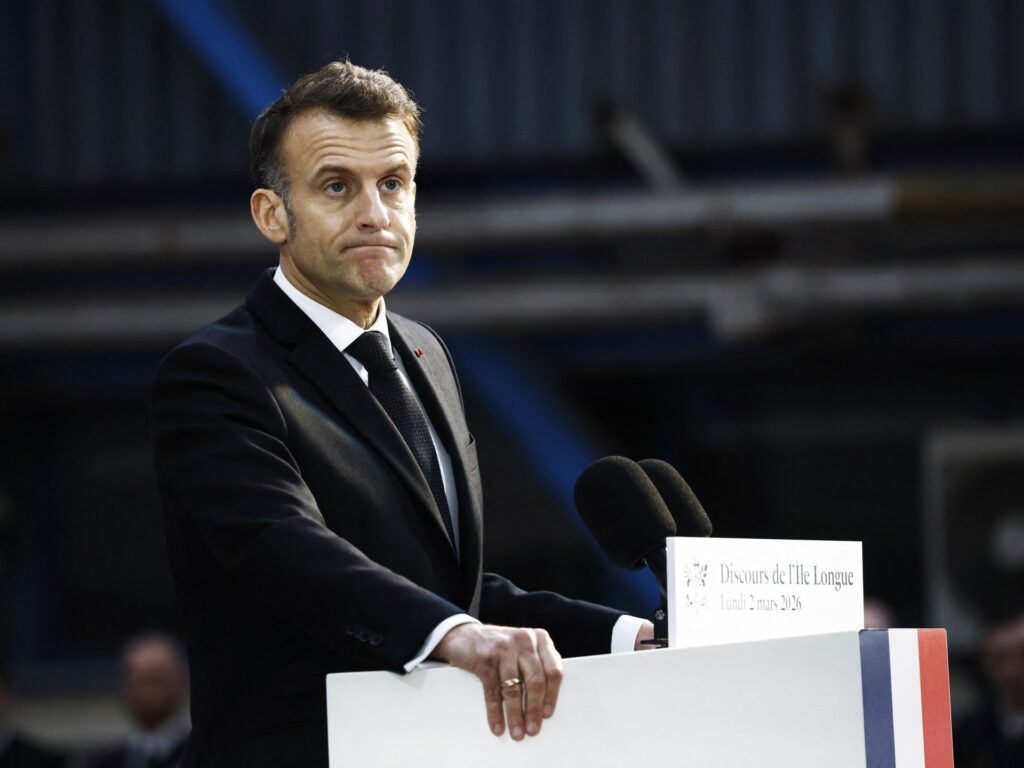
France has announced a significant enhancement of its nuclear capabilities as part of President Emmanuel Macron’s strategy to reinforce what he calls an “advanced deterrence” framework. This move entails increasing the country’s nuclear warheads and lending nuclear-capable aircraft to European allies, marking a strategic pivot in France’s defense posture amid growing security concerns in Europe.
President Macron’s plan emphasizes deepening nuclear-security relationships with key European partners, creating frameworks distinct from NATO’s traditional arrangements. This indicates a desire for more autonomous and nuanced nuclear cooperation, tailored specifically to address regional threats and challenges.
Historically, France has maintained an independent nuclear force, known as the Force de frappe, to ensure its national security and strategic autonomy. The recent development underlines a renewed commitment to strengthening this capability and expanding France’s influence within Europe regarding nuclear deterrence.
By lending nuclear-capable aircraft to allied countries, France aims to enhance collective security and share the burden of deterrence more effectively among trusted partners. This arrangement will bolster defense ties and interoperability with selected European countries, potentially leading to a more integrated nuclear defense strategy at the regional level.
The move also reflects concerns about the evolving geopolitical landscape in Europe, notably amid tensions with Russia and uncertainties about the transatlantic alliance’s future. France’s advanced deterrence strategy is designed to provide a robust, credible nuclear response capacity, ensuring the protection of European allies without solely relying on NATO’s existing frameworks.
Critics have expressed concerns about the risks of nuclear proliferation and heightened tensions that might arise from expanding nuclear capabilities and sharing nuclear assets. However, supporters argue that the initiative is a necessary adaptation to new security realities and reinforces European sovereignty and deterrence capabilities.
France’s Parliament is expected to discuss and approve the necessary budget and policy adjustments to facilitate this expansion and cooperation. Defense analysts note that the move may encourage other European nations to reconsider their nuclear policies or defense postures in response to the changed strategic context.
This development also aligns with France’s broader defense modernization program, which includes upgrading its nuclear arsenal’s technology and delivery systems to maintain effectiveness and credibility.
Overall, France’s decision to increase nuclear warheads and share nuclear aircraft with European allies signifies a strategic evolution aimed at enhancing regional security, reinforcing deterrence, and establishing new nuclear-security partnerships separate from but complementary to NATO.